

2020 Ford Transit ABS Module: Programming, Codes, and Replacement Guide
Diagnose, replace, and understand the critical programming required for the ABS module in your 2020 Transit-150, Transit-250, Transit-350, or Transit-350 HD.
- Programming is mandatory for any replacement module (new or used) and requires dealer-level tools like Ford IDS or FORScan.
- A failed module disables critical safety systems: anti-lock brakes, traction control, and stability control.
- A special 'ABS bleed' procedure using a scan tool is required after installation to purge all air from the hydraulic unit.
- Always match the OEM part number from your original unit when sourcing a used replacement to ensure compatibility.
Symptoms of a Failing 2020 Transit ABS Module

A failing ABS module can present a range of symptoms, from dashboard warning lights to noticeable changes in braking behavior. 🎬 Watch: Top 8 signs your ABS module is failing Because the module is central to multiple safety systems, a failure will often trigger several alerts at once.
- ABS Warning Light: This is the most common and direct indicator of a problem within the anti-lock braking system.
- Traction Control/Stability Control Light: Since the ABS module shares data and controls the traction and stability systems, its failure will almost always illuminate these warning lights as well.
- Disabled Cruise Control: The cruise control system relies on accurate wheel speed data. If the ABS module fails, the cruise control will likely become unavailable.
- Wheels Locking Up: During a hard stop, you may notice one or more wheels lock up and skid. This indicates the anti-lock function is not working.
- Unusual Brake Pedal Feel: The brake pedal may feel unusually hard to press or, in some cases, spongy and unresponsive.
- Strange Noises: You might hear a constant buzzing or humming from the ABS pump, which may continue even after the van is turned off. This can drain the battery.
Common Diagnostic Trouble Codes (DTCs)
A mechanic will use an OBD-II scanner capable of reading ABS codes (often called 'C' or 'U' codes) to diagnose the issue. While a specific code is not a definitive condemnation of the module itself (it could be a sensor or wiring), certain codes point strongly toward an internal module failure.
- U3000: Control Module - This is a generic code indicating an internal failure within a control module.
- C0031 / C0034: Front Wheel Speed Sensor Circuit Faults - While these may indicate a bad sensor, they can also be triggered by a faulty module.
- C1A99: ABS Pressure Sensor - This code points to an issue with the internal pressure sensor within the module.
- U0121: Lost Communication With ABS Control Module - This indicates a communication breakdown between the ABS module and the rest of the vehicle's computer network.
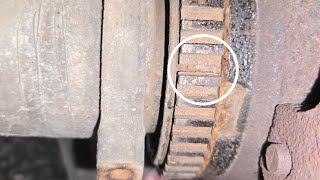
Pro Tip: Before replacing the entire module, it's crucial to rule out simpler issues. Technicians often check for blown fuses, damaged wiring to wheel speed sensors, and problems with the wheel speed sensors or their tone rings first, as these can produce similar symptoms.
🎬 Watch: How to fix common Transit ABS issues for freeKnown Issues, Recalls, and Technical Service Bulletins (TSBs)

While no recalls specifically target the 2020 Ford Transit ABS module for widespread failure, it's important to be aware of related service actions.
- Recall 20E03: Ford issued a recall for an "Anti-lock brake module reprogram." This was a software update, not a hardware replacement, but indicates that software plays a key role in the module's function.
- Customer Satisfaction Program 24B39: For 2020-2024 AWD Transit models, Ford issued a program to update the All-Wheel-Drive Module (AWDM) software. While not the ABS module, it shows the interconnected nature of the vehicle's electronic control systems.
- NHTSA Complaints: Owners have reported intermittent and then permanent ABS and traction control lights, often accompanied by the loss of cruise control and parking sensors.
Replacement and Programming

Replacing the ABS module on a 2020 Ford Transit is a multi-stage process that involves mechanical removal/installation, brake system bleeding, and mandatory electronic programming.
Mechanical Replacement
The ABS module assembly is typically located in the engine bay. The process involves disconnecting the battery, carefully removing the brake lines using flare nut wrenches to avoid stripping them, unplugging the main electrical connector, and unbolting the unit from its bracket. After installing the new unit, the brake system must be thoroughly bled to remove all air.
Warning: A standard brake bleed may not be sufficient. A proper "ABS bleed" or "service bleed" procedure is required. This uses a diagnostic scan tool to cycle the internal solenoids and pump of the ABS module, purging any trapped air. Skipping this step can result in a spongy pedal and compromised brake performance.
Programming: A Mandatory Step
A replacement ABS module—whether new or used—will not function correctly until it is programmed to the vehicle. This is the most critical part of the replacement process.
- Why is programming needed? The module must be configured with your van's specific Vehicle Identification Number (VIN) and As-Built Data. This data tells the module about the vehicle's specific features, such as engine type, drivetrain (FWD/RWD/AWD), tire size, and other options. Without this, the module cannot communicate correctly with other computers in the van.
- Who can program it? This typically requires a Ford dealership using their proprietary IDS/FDRS software. However, some advanced independent shops with high-end scan tools or individuals using software like FORScan may be able to perform the programming and initialization procedures.
- What is initialization? After programming, the module often needs to go through an initialization or calibration routine. This may involve calibrating the steering angle sensor and longitudinal accelerometer so the stability control system functions correctly.
Buying a Used 2020 Transit ABS Module
A used OEM ABS module can be a cost-effective and reliable alternative to an expensive new unit. However, careful purchasing is key.
- Match Part Numbers: The most important step is to match the Ford engineering or service part number from your original module. Verified part numbers for this application include LK412B373AH, LK412B373SA, and LK4Z2B373A. While they may be interchangeable, an exact match is always the safest bet.
- Physical Inspection: When you receive the part, inspect it carefully. Look for any corrosion on the aluminum hydraulic block, check for bent or damaged pins in the electrical connector, and ensure there are no cracks or signs of damage to the plastic housing.
- Buy From a Reputable Source: Purchase from an auto recycler that offers a warranty. This protects you in case the unit is faulty, as even a visually perfect module can have internal electronic issues.
- Factor in Programming Costs: Remember that the cost of the part is not the final cost. You must account for the labor to install it and the cost to have it professionally programmed to your van.
| Part/Service | Estimated Cost |
|---|---|
| New OEM Module (Dealer) | $940 - $1,365 |
| Used OEM Module (Recycler) | $200 - $500 |
| Remanufactured Module | $300 - $600 |
| Shop Labor (Installation & Bleeding) | $200 - $400 |
| Dealer Programming | $150 - $300 |
Frequently Asked Questions (FAQ)
Can I drive my Transit with a bad ABS module?
You can, but it is not recommended. Your standard brakes will still function, but you will not have anti-lock brakes, traction control, or stability control. This significantly increases the risk of losing control and skidding during a panic stop or on slippery surfaces.
Does a used ABS module have to be programmed?
Yes, absolutely. Any replacement ABS module, new or used, must be electronically programmed to your van's VIN and specific configuration using specialized tools like Ford's IDS or FORScan. The vehicle will not operate safely without this step.
How do I know if it's the ABS module or just a wheel speed sensor?
A wheel speed sensor failure typically triggers the ABS light and may point to a specific corner of the vehicle with a diagnostic code (e.g., 'left front wheel speed sensor circuit'). A module failure often involves multiple system warnings (ABS, traction, stability control), communication error codes (like U-codes), or internal fault codes that don't point to an external sensor. A professional diagnosis is the best way to be certain.
Can I replace just the electronic part of the module without bleeding the brakes?
On some vehicles, it is possible to separate the electronic control unit from the hydraulic block. This avoids opening the hydraulic system and needing to bleed the brakes. However, this is a delicate procedure and may not be possible or recommended on all module designs. It requires careful handling to ensure the solenoid pins align correctly on reassembly. If done incorrectly, it can damage the new module.
Helpful Videos
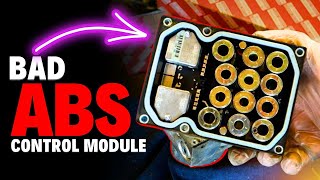
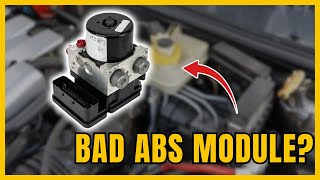
Technical Specifications
OEM Part Numbers: LK412B373AH LK412B373SA LK4Z2B373A
Complete assembly including electronic control module and hydraulic pump/valve body.
We Have This Part in Stock


The information in this article is provided for general reference and educational purposes only. Vehicle specifications, procedures, and part compatibility can vary by production date, trim level, and region. Always consult your vehicle's factory service manual and verify part numbers before purchasing or performing repairs. Safety-critical components such as airbags, seat belts, and braking systems should be installed by a qualified professional.
- Ford Transit-150:
- Ford Transit-250:
- Ford Transit-350:
- Ford Transit-350 HD:
- 🎬 Helpful Videos
- 🛍️ Shop This Part
- Symptoms of a Failing 2020 Transit ABS Module
- Common Diagnostic Trouble Codes (DTCs)
- Known Issues, Recalls, and Technical Service Bulletins (TSBs)
- Replacement and Programming
- Mechanical Replacement
- Programming: A Mandatory Step
- Buying a Used 2020 Transit ABS Module
- Frequently Asked Questions (FAQ)
- 🎟️ Get 5% Off