

2008-2019 Escape & 2008 Mariner ABS Module: Failure Symptoms, Recalls, and Programming
This in-depth guide covers common ABS module failures, critical programming information, and generation-specific issues for the Ford Escape and Mercury Mariner.
- Programming is mandatory for all replacement ABS modules, whether new or used. Failure to program it to your car's VIN will result in a non-working system.
- There are two distinct generations: 2008-2012 and 2013-2019, which use different parts. The 2015 model year has a mid-year split; check your vehicle's production date.
- Common failure symptoms include ABS/traction lights, a non-working speedometer, and a spongy brake pedal. Diagnostic codes like B1342 are a strong indicator of module failure.
- A full brake system bleed, including a special scan tool-activated ABS bleed procedure, is required after installation.
Generational Differences: 2008-2012 vs. 2013-2019

The Ford Escape covered in this guide spans two distinct generations, with the 2008 Mercury Mariner sharing its platform with the first generation. It's crucial to identify your vehicle's generation, as the ABS modules, common issues, and part numbers are different.
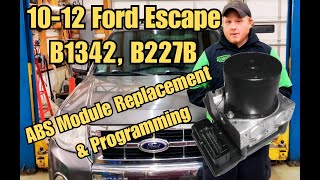
- First Generation (2008-2012 Ford Escape, 2008 Mercury Mariner): These models are known for internal electronic failures within the ABS module, often leading to a complete loss of communication with the unit. A common cause of failure is cracked or failed solder joints on the internal circuit board. 🎬 See this 2010-2012 replacement and programming walkthrough.
- Second Generation (2013-2019 Ford Escape): This generation has different part numbers and known issues. A key distinction is a mid-generation part change. Modules for 2013-2015 models built on or before March 11, 2015, are different from those built on or after March 12, 2015. Always verify your vehicle's production date on the driver's side door jamb sticker.
Symptoms of a Failing ABS Control Module

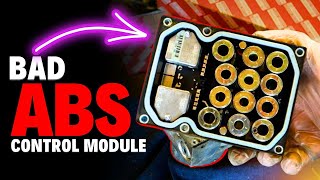
A failing ABS module will give clear warnings. 🎬 Watch: 6 common symptoms and causes of a failing module. Since it's tied to multiple safety systems, you'll likely see more than just one light on your dashboard.
- ABS and Traction Control Lights On: This is the most common sign. When the module fails its internal self-test, it disables the ABS and traction control systems, triggering the warning lights.
- Brake Light On: A red brake warning light may also illuminate, indicating a more serious issue within the braking system.
- Spongy or Unresponsive Brake Pedal: In cases of hydraulic failure within the ABS unit, the pedal may feel soft, spongy, or go to the floor. Conversely, some drivers report the brakes locking up unexpectedly.
- Inaccurate or Non-Working Speedometer: On many of these vehicles, the ABS module processes wheel speed data before sending it to the instrument cluster. A module failure can interrupt this signal, causing the speedometer to read incorrectly or not at all.
- ABS Pump Runs Constantly: You might hear a buzzing or humming from the ABS pump (part of the module assembly) that doesn't stop, even when the car is off. This indicates an internal short or a stuck relay.
- Diagnostic Trouble Codes (DTCs): A scan tool will often find specific codes stored in the system. Common codes include B1342 (ABS Control Module Malfunction), C0020 (Motor Fault), U3000:49 (Internal Electronic Failure), and C1095 (Pump Motor Circuit Failure).
Known Issues, Recalls, and Technical Service Bulletins (TSBs)

While the 2008-2019 year range has seen some ABS-related issues, the most significant recalls primarily affect earlier models, specifically the first-generation platform.
- NHTSA Safety Recall 07S51: This major recall affected 2001-2004 Ford Escape models for missing or improperly seated wire seals on the ABS module connector. This allowed moisture to enter, causing corrosion and potential electrical shorts that could lead to a fire, even with the vehicle turned off. While this recall is for an earlier year range, the failure mode (water intrusion at the connector) is a known weak point on many ABS systems.
- NHTSA Safety Recall 11S24: A follow-up recall for 2001-2002 Escapes addressed leaking master cylinder reservoir caps that could drip brake fluid onto the ABS module connector, compounding the risk of a short circuit.
Pro Tip: Even if your vehicle isn't covered by a specific recall, it's wise to inspect the ABS module's electrical connector for corrosion or signs of moisture intrusion. Applying dielectric grease to the connector seal during replacement is a good preventive measure.
Programming and Installation Requirements

Warning: This module requires programming after installation. A new or used replacement module must be configured to your vehicle's specific VIN and options. Failure to program the module will result in a VIN mismatch error, persistent warning lights, and a non-functional ABS system.
Programming is not optional. The module needs to know the specific configuration of your vehicle (e.g., engine size, drivetrain, trim level) to function correctly with the Engine Control Unit (ECU), traction control, and stability control systems.
Who can program the module?
- Ford/Lincoln-Mercury Dealerships: Dealers can always perform the programming using their proprietary IDS software. However, some may be reluctant to program a used part.
- Independent Repair Shops: Many independent shops with professional-grade scan tools (like Autel or Snap-on) or access to Ford's software can program the module. This is often a more cost-effective option.
- DIY with FORScan: For advanced DIY mechanics, a tool called FORScan combined with a compatible OBD-II adapter can be used. This method typically involves two scenarios:
- Cloning the Old Module: If your original module is still able to communicate, you can use FORScan to save its "As-Built" data and then write that data to the replacement module.
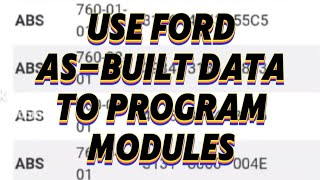
- Using As-Built Data: If the original module is dead (no communication), you can download the original As-Built data from Ford's Motorcraft Service website using your vehicle's VIN. 🎬 Watch: How to find Ford As-Built data for programming. This data can then be manually entered and written to the new module.
Buying a Used ABS Control Module
A used OEM ABS module can be a reliable and cost-effective alternative to an expensive new part, especially since many aftermarket options are not available. Here’s what to look for:
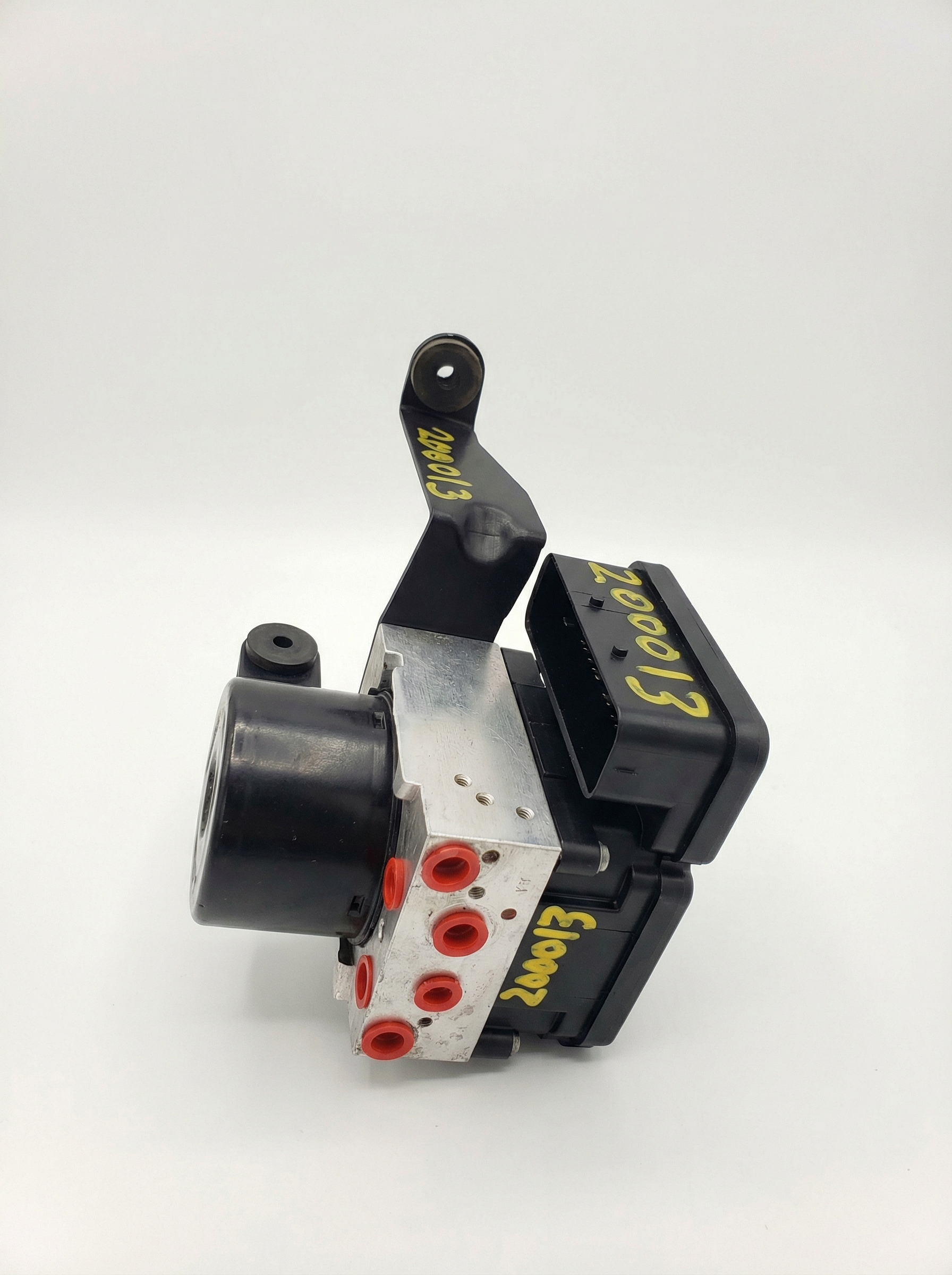
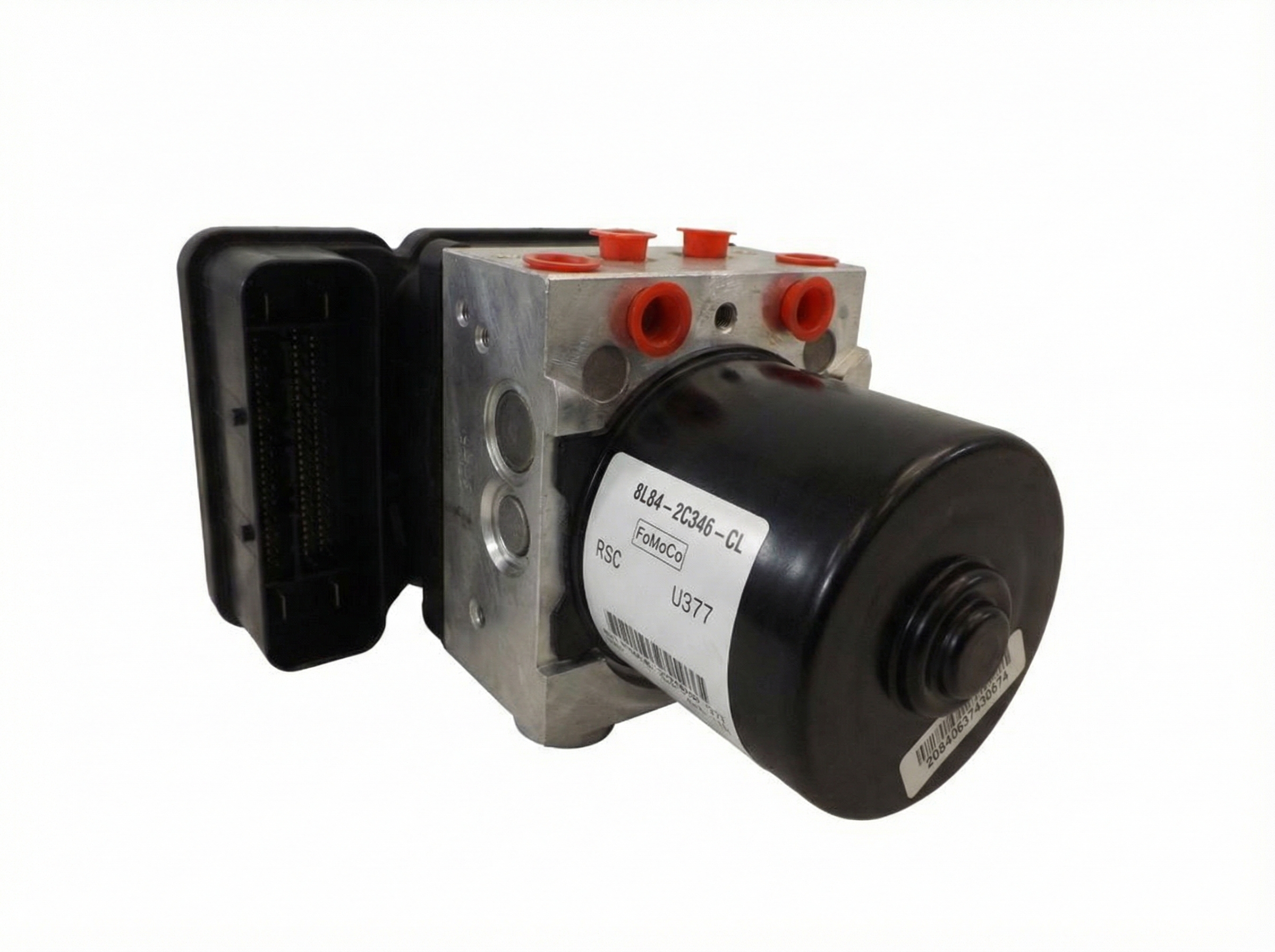
- Match the Part Number: This is the most critical step. There are numerous part numbers for this module, even within the same year. The part number is printed on a sticker on the module itself. You MUST match the part number from your original module to the replacement. The provided list of OEM part numbers (8L84-2C346-xx, CV6Z-2C405-x, etc.) are a starting point, but always verify with your original unit.
- Inspect the Connector Pins: Ask for clear photos of the electrical connector port on the module. Look for any signs of green or white corrosion, bent pins, or melted plastic. A module with a corroded connector should be avoided.
- Check for Physical Damage: Inspect the housing for cracks or signs of being pried open. The module should be a sealed unit.
- Buy the Assembly: The ABS module is almost always sold bolted to the hydraulic pump/valve body. It is recommended to replace them as a single assembly.
- Understand the Compatibility Splits: Remember the non-hybrid only rule and the production date split for 2015 models. For 2013-2015 Escapes, confirm if you need the version for vehicles made on or before March 11, 2015, or on or after March 12, 2015.
Cost of Replacement
Replacing the ABS module can be expensive, primarily due to the cost of the part and the need for programming and brake system bleeding.
| Part/Service | Estimated Cost |
|---|---|
| New OEM Module | $600 - $1,200+ |
| Remanufactured Module | $250 - $450 |
| Used OEM Module | $100 - $300 |
| Shop Labor (Installation & Bleeding) | $250 - $400 |
| Shop Labor (Programming) | $100 - $200 |
| Total Professional Replacement (New OEM) | $950 - $1,800+ |
| Total Professional Replacement (Used OEM) | $450 - $900 |
Frequently Asked Questions (FAQ)
Can I drive with a bad ABS module?
Yes, but with extreme caution. Your vehicle will still have its standard hydraulic brakes, but the anti-lock, traction control, and stability control functions will be disabled. This means your wheels can lock up during hard braking, increasing the risk of skidding, especially on wet or icy roads. It is strongly recommended to have the module replaced as soon as possible.
Do I have to bleed the brakes after replacing the ABS module?
Yes. The replacement process involves disconnecting brake lines from the hydraulic unit, which introduces air into the system. The entire brake system must be bled to remove this air. Additionally, a special "ABS bleed" or "service bleed" procedure must be performed with a compatible scan tool to purge air from the internal passages of the ABS pump and valve body. Skipping this step will result in a spongy pedal and unsafe braking performance.
Is a bad wheel speed sensor the same as a bad ABS module?
No, but they can have similar symptoms. A single faulty wheel speed sensor will also trigger the ABS light but will usually store a code specific to that sensor (e.g., C0035). A bad module often results in codes like B1342 (internal failure) or a complete lack of communication. It's important to have the codes read to diagnose the problem correctly before replacing parts.
What does "As-Built Data" mean?
"As-Built Data" is the specific configuration file that was loaded onto your vehicle's modules at the factory. It contains hexadecimal codes that tell the module about the vehicle's features, like its engine, transmission, and other options. When you program a replacement module, you are essentially loading this original As-Built data onto it so it knows how to function correctly in your specific car.
Helpful Videos

Technical Specifications
OEM Part Numbers: 8L842C346CC 8L842C346CD 8L842C346CE 8L842C346CF 8L842C346CG 8L842C346CH 8L842C346CJ 8L842C346CK 8L842C346DA 8L842C346DB 8L842C346DC 8L842C346DD 8L842C346DE 8L842C346EA 8L8Z2C346A CV6Z-2C405-E CV6Z-2C405-A CV6Z-2C405-F GV6Z-2C405-G CV61-2C405-AG CV61-2C405-AH
This part is for non-hybrid models only. Compatibility is dependent on vehicle generation (2008-2012 vs. 2013-2019) and, for 2015 models, the vehicle's production date.
We Have This Part in Stock




The information in this article is provided for general reference and educational purposes only. Vehicle specifications, procedures, and part compatibility can vary by production date, trim level, and region. Always consult your vehicle's factory service manual and verify part numbers before purchasing or performing repairs. Safety-critical components such as airbags, seat belts, and braking systems should be installed by a qualified professional.
- Ford Escape:
- Mercury Mariner:
- 🎬 Helpful Videos
- 🛍️ Shop This Part
- Generational Differences: 2008-2012 vs. 2013-2019
- Symptoms of a Failing ABS Control Module
- Known Issues, Recalls, and Technical Service Bulletins (TSBs)
- Programming and Installation Requirements
- Who can program the module?
- Buying a Used ABS Control Module
- Cost of Replacement
- Frequently Asked Questions (FAQ)
- 🎟️ Get 5% Off