

Ford E-150, E-250, E-350 & E-450 ABS Module: Compatibility, Programming & Replacement
This guide covers the common failures, critical compatibility warnings, and programming requirements for the ABS control module in 2002-2022 Ford E-Series vans.
- Compatibility is critical: Check your van's build date (especially for 2008 models) and confirm if it has AdvanceTrac before buying.
- Programming is usually required for used or new modules. Repairing your original module is the only plug-and-play option.
- Common failure symptoms include the ABS light, a constantly running pump motor that drains the battery, and the inability to communicate with the module via a scan tool.
- You can often replace just the electronic module without opening brake lines, which avoids the difficult task of bleeding the ABS system.
Symptoms of a Failing ABS Control Module
A bad ABS module can cause several distinct symptoms, ranging from warning lights to noticeable changes in braking behavior. The most common sign is an illuminated ABS warning light on your dashboard. You may also see the traction control or brake warning light.
- ABS Warning Light: The most common symptom is a steady ABS light on the instrument cluster.
- Traction Control/Stability Control Light: If your van is equipped with AdvanceTrac, that warning light may also illuminate.
- Brake Warning Light: A red brake warning light may appear alongside the ABS light.
- ABS Pump Constantly Running: You might hear a buzzing or humming sound from the engine bay, even with the key off. This is the ABS pump motor running continuously due to an internal module fault, which can drain the battery.
- Brakes Locking Up or Dragging: In some cases, a faulty module can cause a brake caliper to not release properly, leading to a dragging brake that overheats.
- Spongy or Inconsistent Brake Pedal: The pedal may feel soft or travel further than usual, especially if there are internal hydraulic leaks within the ABS unit.
- No Communication with Scan Tool: A mechanic may find they cannot communicate with the ABS module using a diagnostic scan tool, indicating a total electronic failure.
Common Diagnostic Trouble Codes (DTCs)
If the ABS light is on, a scan tool can retrieve fault codes to help pinpoint the problem. Codes related to the module or pump itself are strong indicators of failure:
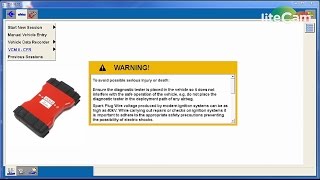
- C1095, C1096, C0020: These codes point to a fault in the ABS pump motor circuit, such as an open circuit or a motor that won't run. 🎬 Watch: Diagnosing a C1096 code and bad ABS module
- C1300: ABS Pump Motor circuit failure.
- B1342, C0121: These are general internal fault or performance codes for the ABS module itself.
- U0121: Indicates a loss of communication with the ABS module on the vehicle's data network.
- Wheel Speed Sensor Codes (e.g., C0035, C0040): While these often point to a bad sensor, they can sometimes be triggered by a faulty module that is misinterpreting the sensor signals.
Known Issues, Recalls, and TSBs
While these vans have been generally reliable, there have been some documented issues with the braking systems.
- NHTSA Recall 17V-768: This recall affected some Ford models where incomplete ABS Hydraulic Control Units (HCUs) were shipped from a supplier. These units could leak brake fluid during an ABS event, leading to increased brake pedal travel and stopping distance.
- NHTSA Recall 22V089 / 24V097: Pertaining to 2021-2022 E-350 and E-450 dual-rear-wheel chassis, this recall addressed hydraulic lines that could leak, causing a loss of power steering and brake assist.
- TSB 23-2133: For 2020-2022 F-Super Duty trucks (which can share similar electronic components), this bulletin addresses issues like a dead battery or no-start condition linked to water getting into the battery junction box, which can cause ABS module fault codes like C0020.
You can check for recalls specific to your vehicle's VIN on the official Ford recall website or the NHTSA website.
CRITICAL: Compatibility & Part Identification
Ordering the correct ABS module for your Ford E-Series van is crucial, as there are several variations that are not interchangeable. Mismatched parts can result in a non-functional ABS system or other safety feature failures. Pay close attention to the following details.
1. Build Date Cutoffs (Especially for 2008 Models)
For the 2008 model year, Ford used two different ABS module designs. You must check your vehicle's production date before ordering a replacement.
Warning: Check the build date on the sticker inside the driver's door jamb. This is the most common mistake buyers make.
- Early 2008 Models: Fits vehicles built on or before December 2, 2007.
- Late 2008 Models: Fits vehicles built from December 3, 2007, onwards.
2. 4-Wheel ABS vs. Rear-Wheel ABS (RABS)
Most of the vans in this year range came with 4-wheel ABS. However, it's important to confirm. A vehicle with 4-wheel ABS will have a visible sensor wire going to each of the front wheels, typically clipped to the brake hose. The modules covered in this guide are for vehicles with 4-wheel ABS.
3. AdvanceTrac (Roll Stability Control)
For E-350 models, a key difference is whether the van is equipped with AdvanceTrac, which is Ford's electronic stability control (ESC) system that includes Roll Stability Control (RSC). The modules listed in this guide are typically for vehicles WITHOUT AdvanceTrac. AdvanceTrac is a more complex system that uses additional sensors, and its ABS module is different.
4. Match the Part Number
The most reliable way to ensure compatibility is to match the engineering or service part number on your original module. The module is the black electronic box bolted to the aluminum hydraulic block. You may need a mirror and flashlight to read the number while it's on the vehicle. The part number will be in a format like 6C24-2C219-FB or 8C24-2C346-BG.
Pro Tip: When buying a used module, always get the part number from the seller and compare it to your original unit. Do not rely on year and model alone.
Programming and Calibration Requirements
This is the most important question for any electronic module replacement. The answer depends on whether you are replacing the module with a new or used unit, or having your original one repaired.
- Repairing Your Original Module: If you send your original module to a repair service, no programming is needed. The module retains your vehicle's specific configuration data. It will be plug-and-play upon reinstallation.
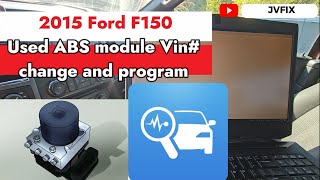
- Installing a Used Module: A used module from another vehicle WILL likely require programming. It contains the VIN and configuration (As-Built data) from the donor vehicle. This data must be overwritten with your vehicle's data. This can often be done by a qualified independent shop using tools like FORScan or by a Ford dealer with their IDS software. 🎬 See how to program a used ABS module with FORScan
- Installing a New OEM Module: A brand-new module from Ford often comes blank, without any firmware or configuration data. It requires a process called Programmable Module Installation (PMI) using the Ford IDS diagnostic tool. This downloads the correct software and As-Built data from Ford's servers and configures the module to the vehicle. This step is typically performed by a dealer. 🎬 Watch: Step-by-step Ford ABS module programming procedure
Warning: Failure to properly program a new or used module can result in a no-start condition, incorrect ABS operation, or other system malfunctions. The ABS module can be linked to the vehicle's security system on some platforms.
Buying a Used ABS Control Module
A used OEM module can be a cost-effective and reliable alternative to an expensive new unit, especially since many aftermarket options are not available. Here’s what to look for:
- Verify Compatibility: This is paramount. Use the build date, AdvanceTrac status, and part number from your original unit to find an exact match.
- Inspect for Physical Damage: Check the plastic housing for cracks and the connector pins for any signs of corrosion, moisture, or damage. Do not buy a module that looks like it has been exposed to the elements.
- Source from a Reputable Seller: Purchase from a salvage yard or online retailer that offers a warranty and a clear return policy. This protects you if the part is dead on arrival.
- Understand Programming Needs: Factor in the potential cost of having a used module programmed to your vehicle. Call local independent shops that specialize in Ford repair and ask if they can program a used ABS module before you buy.
- Why Used OEM is a Good Choice: For this part, a used OEM module that is properly matched and programmed is often a better choice than a cheap, no-name aftermarket part. The OEM unit was designed and tested specifically for your vehicle's braking characteristics.
Replacement Overview
Replacing the ABS module can be done in two ways: replacing only the electronic module or replacing the entire module and hydraulic pump assembly.
Difficulty: 2/5 (module only) to 4/5 (full assembly)
Time: 0.5-1 hour (module only); 1.5-2.5 hours (full assembly)
Module-Only Replacement (Recommended):
- Disconnect the negative battery terminal.
- Locate the ABS unit in the engine compartment, usually on the driver's side frame rail.
- Disconnect the large electrical connector by lifting its locking lever.
- Unscrew the 4 to 6 small Torx screws holding the electronic module to the hydraulic block. Two may be difficult to access from underneath.
- Carefully separate the module from the block. Be gentle with the solenoid pins underneath.
- Install the replacement module, reconnect the connector, and reconnect the battery.
Pro Tip: Replacing only the electronic module avoids opening the hydraulic brake lines, meaning you will not have to bleed the entire brake system afterward. This saves significant time and effort.
Full Assembly Replacement:
This process involves disconnecting the metal brake lines from the hydraulic unit. This will introduce air into the brake system.
Warning: After replacing the full assembly, the entire brake system, including the ABS unit itself, must be properly bled. This often requires a scan tool with an "automated bleed" or "service bleed" function to cycle the internal ABS pump and valves to purge all trapped air. Failure to do so can result in a spongy pedal and unsafe braking.
Cost Comparison
Prices can vary significantly based on the specific part number and supplier.
| Part Type | Estimated Cost |
|---|---|
| New OEM | $800 - $1100+ |
| New Aftermarket | Not commonly available |
| Remanufactured / Repaired Original | $150 - $400 |
| Used OEM | $75 - $250 |
| Shop Labor (Replacement) | $100 - $250 |
| Shop Labor (Programming) | $100 - $200 |
Frequently Asked Questions (FAQ)
Do I have to replace the whole ABS pump and module assembly?
Not usually. In most cases, the electronic module is the part that fails. You can replace just the module while leaving the hydraulic pump attached to the vehicle, which avoids the need to bleed the brakes.
Can I drive my van with a bad ABS module?
Yes, but with caution. Your normal power brakes will still work, but the anti-lock braking (ABS) and any traction/stability control features will be disabled. This means your wheels can lock up during a panic stop, increasing the risk of skidding, especially on wet or icy roads.
Why is my ABS pump running all the time and draining my battery?
This is a classic sign of an internal failure in the ABS control module. A relay inside the module gets stuck in the 'on' position, causing the pump to run continuously. The only fix is to repair or replace the module. You can temporarily pull the main ABS fuse to stop the pump from running and save your battery.
Can I use FORScan to program a used ABS module myself?
Yes, this is often possible for experienced DIYers. Using FORScan software and a compatible OBD-II adapter, you can load your vehicle's original 'As-Built' data into the used module to configure it correctly. However, if you are installing a brand-new, blank module from Ford, you may need a beta version of FORScan or the dealer's IDS tool to load the base firmware first.
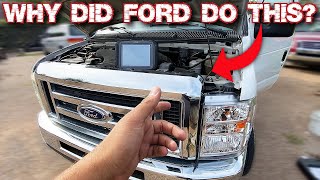
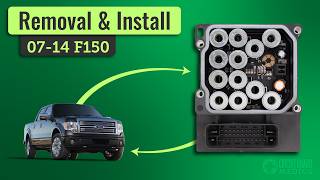
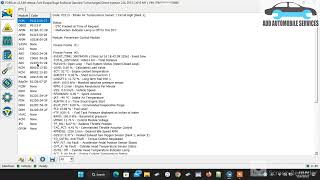
Helpful Videos
Technical Specifications
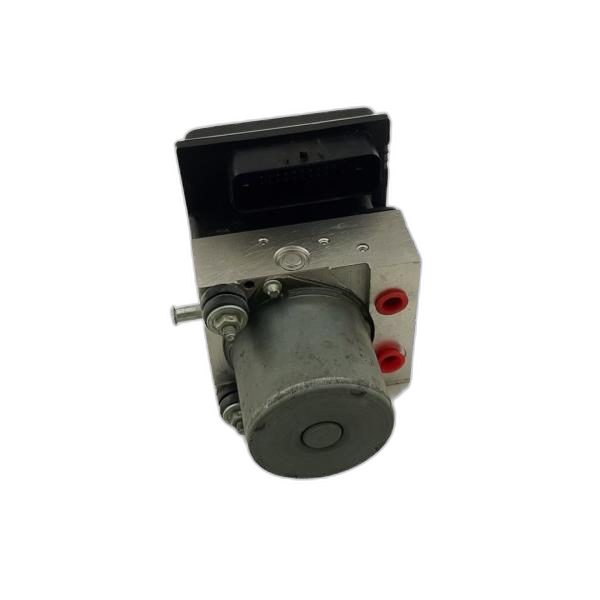
OEM Part Numbers: 2C24-2C219-AA 2C24-2C219-BA 2C2Z-2C286-AA 2C2Z2B373AB 6C24-2C219-FA 6C24-2C219-FB 6C24-2C286-CA 6C24-2C286-CB 6C242C219FA 6C242C219FB 6C242C286CA 6C242C286CB 6C2Z-2C219-BA 6C2Z-2C219-FA 6C2Z-2C286-CA 8C24-2C346-BG
System designed for 4-wheel ABS. Specific modules are required for vehicles with or without AdvanceTrac (Roll Stability Control). Build date cutoffs apply, particularly for the 2008 model year (before/after 12/02/2007).
We Have This Part in Stock





The information in this article is provided for general reference and educational purposes only. Vehicle specifications, procedures, and part compatibility can vary by production date, trim level, and region. Always consult your vehicle's factory service manual and verify part numbers before purchasing or performing repairs. Safety-critical components such as airbags, seat belts, and braking systems should be installed by a qualified professional.
- Ford E-250:
- Ford E-150:
- Ford E-350 Super Duty:
- Ford E-450 Econoline Super Duty:
- 🎬 Helpful Videos
- 🛍️ Shop This Part
- Symptoms of a Failing ABS Control Module
- Common Diagnostic Trouble Codes (DTCs)
- Known Issues, Recalls, and TSBs
- CRITICAL: Compatibility & Part Identification
- 1. Build Date Cutoffs (Especially for 2008 Models)
- 2. 4-Wheel ABS vs. Rear-Wheel ABS (RABS)
- 3. AdvanceTrac (Roll Stability Control)
- 4. Match the Part Number
- Programming and Calibration Requirements
- Buying a Used ABS Control Module
- Replacement Overview
- Cost Comparison
- Frequently Asked Questions (FAQ)
- 🎟️ Get 5% Off