

Ford E-150, E-250, E-350 ABS Module Failure: Programming, Codes & Replacement (2009-2019)
Your definitive guide to diagnosing, replacing, and programming the ABS control module on 2009-2019 Ford E-Series vans.
- A replacement ABS module (new or used) MUST be programmed to your van's VIN to function.
- These modules are for vans WITHOUT the AdvanceTrac stability control system; verify your vehicle's options before buying.
- The most common failure code is C1096, pointing to an internal pump motor circuit fault.
- A used OEM module is a cost-effective and reliable alternative to an expensive new part, provided it is programmed correctly.
Symptoms of a Failing ABS Module


When the ABS module in a Ford E-150, E-250, or E-350 Super Duty begins to fail, it will typically provide clear warning signs. The most common issue is an internal electronic failure, which often triggers specific diagnostic trouble codes.
- ABS Warning Light: The most obvious symptom is a constantly illuminated ABS warning light on your dashboard. This indicates the system has detected a fault and has disabled the anti-lock braking function.
- Brakes Locking Up: Without a functioning ABS, your vehicle's wheels can lock up during hard braking, causing a skid. This is especially dangerous on wet or icy roads.
- Unresponsive or Spongy Brake Pedal: In some cases, a failing module can lead to a brake pedal that feels different, either requiring more effort or feeling soft and unresponsive.
- Associated OBD-II Codes: A professional scan tool that can read ABS codes is essential for diagnosis. Common codes pointing to a faulty module include:
- C1096 - ABS Hydraulic Pump Motor Circuit Failure: This is a very common code for these vans, indicating an open circuit or internal failure of the pump motor or the module that controls it.
- C1185 - ABS Power Relay Output Circuit Failure: This points to a failure in the module's internal power relay.
- Other codes related to valve circuits or communication errors can also indicate a bad module.
Important: When the ABS light is on, your normal hydraulic brakes will still function. However, you will not have the anti-lock feature. This means your wheels can lock and skid in a panic stop, significantly increasing stopping distances and causing a loss of steering control.
Known Issues, Recalls, and TSBs
While there are no widespread recalls specifically for the ABS control module on the 2009-2019 Ford E-150, E-250, and E-350, some related safety notices exist for the E-Series platform. For example, a recall was issued for certain 2021 E-450 models due to an overloaded electrical system, and an investigation was opened into a recall for 2021-2022 E-350 and E-450 models concerning a potential loss of power steering and brake assist. Owners can always check for recalls on their specific vehicle by entering their VIN on the NHTSA website.
Diagnosing a Faulty ABS Module
Confirming a bad ABS module involves more than just reading a code. A technician will typically perform the following steps:
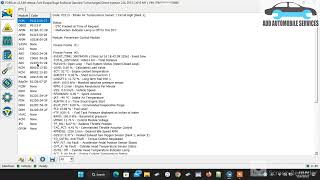
- Scan for Codes: Use a scan tool capable of communicating with the ABS module to retrieve any stored Diagnostic Trouble Codes (DTCs).
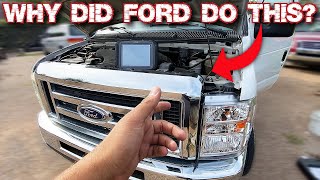
- Check Power and Ground: A common diagnostic step for a code like C1096 is to verify that the module is receiving proper power and has a solid ground connection at its wiring harness. 🎬 Watch: Diagnostic steps for troubleshooting the C1096 pump motor code. A diagnostic video for a 2008 E-150 showed checking for power at pins 1 and 25, and ground at pins 13 and 38 of the main connector. If power and ground are good, the fault is likely internal to the module or the attached pump motor.
- Inspect Wiring and Connectors: Check the wiring harness leading to the ABS module for any signs of corrosion, damage, or loose connections.
- Rule Out Other Causes: Ensure that the fault is not with a wheel speed sensor, as a faulty sensor can also trigger the ABS light. However, codes for internal module or pump circuit failures strongly point to the module itself.
Programming and Calibration Requirements

Does this module need to be programmed? Yes.
A replacement ABS control module, whether it is brand new or a used OEM part, must be programmed to your vehicle’s VIN. This process, often called Programmable Module Installation (PMI), configures the module to work with your van's specific options and systems. If you install a module without programming, it will not function correctly, and the ABS light will remain on with a 'module configuration fault' code.
Pro Tip: Some dealers may be hesitant to program a used part. Many independent repair shops that specialize in diagnostics have the necessary equipment (such as a Ford IDS scan tool or a high-end professional scanner from brands like Autel or Launch) and are willing to program customer-supplied used modules for a fee. It is wise to call shops in your area and ask if they can perform a 'Ford ABS module PMI' before you purchase the part.
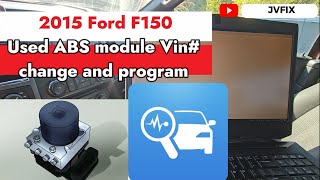
🎬 Watch: How to program a used Ford ABS module using Forscan.Buying a Used ABS Control Module: A Smart Choice
Given the high cost of a new OEM module, a quality tested used part is an excellent value. For a component like this, a used OEM module is often a better choice than a new, unbranded aftermarket part due to guaranteed compatibility and OEM-level durability.
What to Look For:
- Verify the Part Number: Match the OEM part number from your original module exactly. The provided list of part numbers (e.g., 9C2Z2C215B, BC242C405CD) are a starting point, but always confirm the number on your specific unit.
- Crucial Compatibility Check: These modules are for vans WITHOUT the AdvanceTrac stability control system. Ensure your vehicle is not equipped with this feature before buying. Fitment can also vary by body style (van vs. cutaway), so confirm the donor vehicle was a match.
- Inspect the Connectors: Look for clean, corrosion-free pins on the electrical connector. Any green or white crust is a major red flag indicating water intrusion.
- Check the Casing: Avoid any units with cracks, heavy corrosion, or signs of being tampered with.
- Reputable Seller: Purchase from a seller that offers a warranty and has good reviews. This provides protection in case the part is faulty.
Replacement Cost Comparison
The cost to replace the ABS module can vary significantly depending on the source of the part.
| Part Source | Estimated Part Cost |
|---|---|
| New OEM | $570 - $800 |
| New Aftermarket | $350 - $550 |
| Used OEM | $150 - $300 |
| Remanufactured (Repair Service) | $250 - $400 |
| Shop Labor (Replacement) | $100 - $200 |
| Shop Labor (Programming) | $100 - $150 |
Step-by-Step Replacement Guide (Module Only)

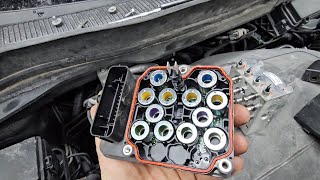
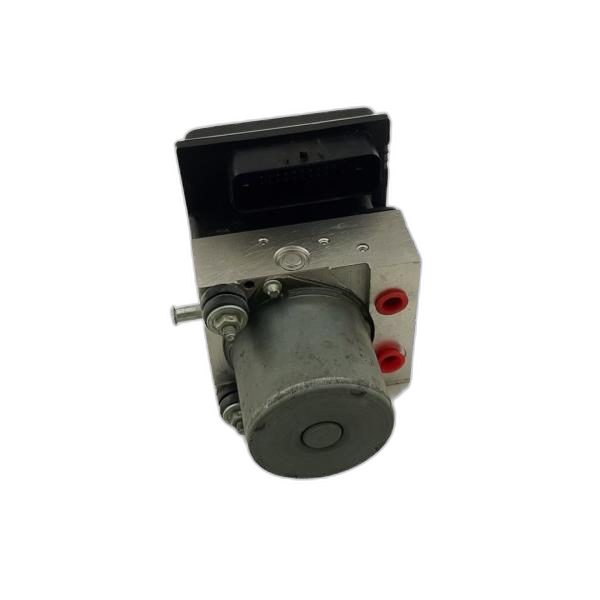
The ABS module is the electronic 'black box' attached to the aluminum hydraulic valve block. On many Ford E-Series vans, it is located on the driver's side frame rail in the engine compartment. It is often possible to replace only the electronic module without opening the brake lines, which saves significant time and avoids the need to bleed the entire brake system.
Warning: This procedure requires careful handling of brake lines. Perform this at your own risk. If you are not comfortable, have a professional replace the entire assembly and bleed the brakes.
- Disconnect the Battery: Disconnect the negative battery terminal.
- Locate the ABS Assembly: Find the ABS pump and module on the driver's side of the engine bay.
- Unplug the Connector: Disconnect the main electrical harness from the module.
- Access the Module Screws: The module is typically held to the hydraulic unit by several Torx screws (often T20 or T25). You may need to unbolt the entire assembly's mounting bracket to get enough clearance to work.
- Gently Create Space: Carefully and slightly bend the rigid brake lines just enough to allow the electronic module to be pulled away from the hydraulic block. Do not kink or damage the lines. Having a helper can make this much easier.
- Remove the Old Module: With the screws removed, carefully pull the old module straight off the hydraulic unit. Note the solenoid pins that extend from the hydraulic block into the module.
- Install the New Module: Carefully align the new module, ensuring the solenoid pins engage correctly. A common error code (U3000) can occur if these are not aligned properly. Press the module firmly into place and reinstall the screws.
- Reconnect and Remount: Re-secure the assembly bracket, plug in the electrical connector, and reconnect the battery.
- Programming: The vehicle must now be taken to a shop to have the new module programmed to the VIN.
Frequently Asked Questions (FAQ)
Can I drive my van with a bad ABS module?
Yes, but with significant caution. Your standard brakes will still work, but the anti-lock function will be disabled. This means your wheels can lock up in a panic stop, increasing the risk of skidding and losing control, especially on wet or slippery surfaces. It is recommended to have it repaired as soon as possible.
Can I program a used Ford ABS module myself?
It is possible for advanced DIYers using software like FORScan with an appropriate OBD-II adapter. However, it requires technical knowledge of the software and vehicle systems. For most people, it is easier and safer to have a qualified independent shop or dealer perform the Programmable Module Installation (PMI).
Will a module from a different year or model E-Series van work?
It is risky and not recommended. While the parts may look identical, the internal software can be different. For example, a module from a newer van might be programmed to look for systems (like different traction control logic) that your older van doesn't have, causing compatibility codes and system failure. Always match the part number from your original unit.
What is the difference between the ABS module and the ABS pump?
They are two parts of one assembly. The module is the electronic computer, while the pump is the mechanical/hydraulic part with a motor and valves that controls brake fluid pressure. Often, the failure is in the electronic module, but they are typically replaced as a complete assembly. Some repair services can fix just the module.
Helpful Videos
We Have This Part in Stock




The information in this article is provided for general reference and educational purposes only. Vehicle specifications, procedures, and part compatibility can vary by production date, trim level, and region. Always consult your vehicle's factory service manual and verify part numbers before purchasing or performing repairs. Safety-critical components such as airbags, seat belts, and braking systems should be installed by a qualified professional.
- Ford E-150:
- Ford E-250:
- Ford E-350 Super Duty:
- 🎬 Helpful Videos
- 🛍️ Shop This Part
- Symptoms of a Failing ABS Module
- Known Issues, Recalls, and TSBs
- Diagnosing a Faulty ABS Module
- Programming and Calibration Requirements
- Does this module need to be programmed? Yes.
- Buying a Used ABS Control Module: A Smart Choice
- What to Look For:
- Replacement Cost Comparison
- Step-by-Step Replacement Guide (Module Only)
- Frequently Asked Questions (FAQ)
- 🎟️ Get 5% Off