

2015-2025 Dodge Charger ABS Module: Programming, Failures, and the 2024 Generation Split
This guide covers common failure symptoms, critical programming requirements after replacement, and the major braking system changes for the 2024-2025 Charger models.
- Any replacement ABS module (new or used) MUST be programmed to the car's VIN and have a 'Proxy Alignment' performed.
- The 2024-2025 Charger uses a completely different 'Brake-by-Wire' system; parts are not interchangeable with 2015-2023 models.
- You can often replace just the electronic module without opening brake lines, avoiding the need to bleed the brakes.
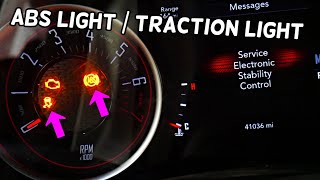
- Primary symptoms of failure are a combination of ABS, Traction Control, and Stability Control warning lights on the dash.
- Ensure the replacement module is for a vehicle WITHOUT Adaptive Cruise Control.
Important: Two Generations of Charger (2015-2023 vs. 2024-2025)

Compatibility Warning: This guide covers two distinct generations of the Dodge Charger that use completely different ABS control systems. It is critical to identify your vehicle's year before purchasing a part.
- 2015-2023 Dodge Charger (LD Platform): These models use a traditional hydraulic braking system with a bolt-on ABS control module. The information regarding symptoms, programming, and part numbers like 68258644AA applies to this generation.
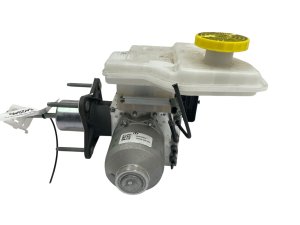
- 2024-2025 Dodge Charger (STLA Large Platform): The all-new Charger, including the electric Daytona and gasoline Sixpack models, uses a sophisticated "Brake-by-Wire" system. This is a fundamentally different design that integrates regenerative braking and is not interchangeable with the previous generation. The correct part number for these models is typically 68569806AJ. Always verify the part number from your original unit before ordering.
Symptoms of a Failing ABS Module

A bad ABS module will almost always make its presence known through dashboard warning lights. Because the module controls multiple systems, you will likely see several lights illuminate at once.
- ABS Warning Light: The most common symptom is a constantly illuminated ABS light on your instrument cluster.
- Traction Control / ESC Light: The light for Electronic Stability Control (often a symbol of a car with squiggly lines) or traction control (TCS/TRAC) will also typically light up and stay on.
- Unresponsive or Spongy Brake Pedal: In some cases, the brake pedal may feel different, requiring more effort to press or feeling soft and unresponsive.
- Wheels Locking Up: The primary purpose of ABS is to prevent your wheels from locking and skidding during a hard stop. If the module has failed, the system is disabled, and your wheels can lock up, increasing the risk of losing control, especially on wet or icy roads.
- Inaccurate Speedometer: The ABS module processes wheel speed data, which is sometimes used to feed the speedometer. A faulty module can cause the speedometer to read incorrectly or not at all.
Associated OBD-II trouble codes often point directly to the module or its related components. Common codes include:
- C2116: Pump Motor Supply Low Voltage.
- C2200: Anti-Lock Brake Module Internal.
- C0031, C0034, C0037: Codes related to the wheel speed sensors. While these can indicate a bad sensor, they can also be triggered by a faulty module that cannot properly read the sensor data.
Critical Programming and Calibration Requirements

Warning: A replacement ABS control module—whether new or used—cannot be simply installed and driven. It must be electronically programmed to your car's specific Vehicle Identification Number (VIN).
Failure to program the module will result in a flashing odometer and persistent ABS/ESC warning lights, and the system will not function. This process involves two main steps:
- VIN Programming: The replacement module's memory must be written with your car's VIN. This allows it to communicate with the other computers in the vehicle, like the Powertrain Control Module (PCM) and Body Control Module (BCM).
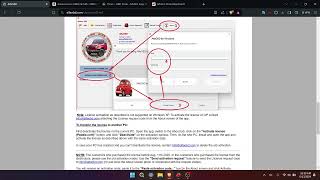
- Proxy Alignment: This is a procedure that syncs all the electronic modules on the vehicle's network (CAN bus). It ensures every module recognizes the new ABS module and that the vehicle's configuration is correct. 🎬 See a step-by-step demonstration of how to perform a proxy alignment.
This programming requires a professional-grade bidirectional scan tool (such as Autel or X-Tool D7) or specialized software like AlfaOBD paired with a compatible OBDLink adapter. While many independent shops can perform this service, a dealership can always do it with their proprietary wiTECH tool. Some mail-in services also offer programming if you ship the module to them.
Pro Tip: If you have your original module repaired or rebuilt instead of replaced, it often retains its original programming, allowing you to reinstall it without needing any special tools or a trip to the shop.
Buying a Used 2015-2023 ABS Module: What to Look For

A used OEM ABS module can be a cost-effective solution, but careful selection is key. Since these modules are VIN-locked, you must be prepared for the programming requirement after installation.
- Verify the Part Number: The most important step is to match the OEM part number exactly. Several part numbers were used for these Chargers, and they are not always interchangeable. Check the number on your original module before ordering.
- Check Compatibility Options: This module is known to be incompatible with vehicles equipped with Adaptive Cruise Control (ACC). Ensure the donor vehicle did not have ACC. The module is compatible with both All-Wheel Drive (AWD) and Rear-Wheel Drive (RWD) models.
- Inspect the Connectors: When you receive the part, carefully inspect the electrical connector pins. Look for any signs of corrosion (green or white powder), which indicates water intrusion and likely damage to the electronics.
- Examine the Casing: Check the plastic and metal housing for any cracks, deep gouges, or signs that it has been pried open. The module is a sealed unit, and any breach can lead to failure.
- Beware of "Pre-Programmed" Claims: Some sellers may claim to offer pre-programmed modules. Be very skeptical, as true programming requires the module to be installed in the target vehicle. Assume any used module will need programming.
Known Issues, Recalls, and Technical Service Bulletins (TSBs)
While there are no widespread recalls specifically for the 2015-2023 Charger ABS module itself, related TSBs and recalls on other Dodge vehicles provide context.
- NHTSA TSB #10080220: A bulletin for the 2016 Charger advised technicians to call a specific engineer before replacing the ABS module, suggesting a potential diagnostic complexity or parts issue at the time.
- NHTSA TSB #10247412: For 2023 models, this TSB advises technicians to thoroughly check wiring and connectors for the "Dynamic Sensor" (part of the ESC system) before replacing it, highlighting that connection issues can mimic component failure.
- Related Recalls: Recent recalls for other Stellantis vehicles (like Ram trucks) have involved software updates to the ABS module to prevent the ESC from becoming disabled. This indicates that software is a critical component of the system's reliability.
Cost to Replace a 2015-2023 Dodge Charger ABS Module
Prices can vary based on location and the source of the part. Programming costs are separate from installation labor.
| Part Type | Estimated Cost |
|---|---|
| New OEM | $450 - $700 |
| Used OEM | $150 - $350 |
| Remanufactured / Repair Service | $350 - $500 |
| Shop Labor (Installation) | $150 - $220 |
| Shop Labor (Programming) | $100 - $200 |
Frequently Asked Questions (FAQ)
Can I drive my Charger with a bad ABS module?
Yes, but with significant risk. Your standard hydraulic brakes will still function, but you will have no anti-lock brakes, traction control, or stability control. This means your wheels can lock up during a panic stop, and the car will be more prone to skidding on slippery roads. It should be repaired as soon as possible.
Do I have to bleed the brakes after replacing the ABS module?
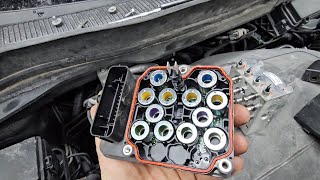
Not if you only replace the electronic control module. The module is a dry component that bolts onto the hydraulic pump assembly (the part with the metal brake lines). By carefully removing the old module and installing the new one without disconnecting any brake lines, you can avoid the lengthy process of bleeding the entire brake system.
🎬 Watch a pro tip on replacing the module without bleeding the brakes.What is a "Proxy Alignment" and why do I need it?
A Proxy Alignment is a diagnostic procedure that syncs all the electronic control units (modules) in your car. When you install a new module like the ABS controller, the Body Control Module (BCM) detects a mismatch in the vehicle's configuration, which causes the odometer to flash. The alignment procedure updates the configuration across all modules, resolving the mismatch and the flashing odometer.
Can an independent mechanic program a used ABS module?
Yes, provided they have the correct equipment. Many independent shops now have advanced, bidirectional scan tools from brands like Autel or Snap-on that can perform the necessary VIN programming and proxy alignment. However, it's wise to call ahead and confirm they have the capability and are comfortable programming a used module for a Chrysler/Dodge vehicle.
Helpful Videos
Technical Specifications
OEM Part Numbers: 68258644AA 68316593AD 68405139AA 68500121AC 68569806AJ
Fits 2015-2023 models without Adaptive Cruise Control. Compatible with both RWD and AWD. For 2024-2025 models, a different part (e.g., 68569806AJ) for the brake-by-wire system is required.
We Have This Part in Stock



The information in this article is provided for general reference and educational purposes only. Vehicle specifications, procedures, and part compatibility can vary by production date, trim level, and region. Always consult your vehicle's factory service manual and verify part numbers before purchasing or performing repairs. Safety-critical components such as airbags, seat belts, and braking systems should be installed by a qualified professional.
- Dodge Charger:
- 🎬 Helpful Videos
- 🛍️ Shop This Part
- Important: Two Generations of Charger (2015-2023 vs. 2024-2025)
- Symptoms of a Failing ABS Module
- Critical Programming and Calibration Requirements
- Buying a Used 2015-2023 ABS Module: What to Look For
- Known Issues, Recalls, and Technical Service Bulletins (TSBs)
- Cost to Replace a 2015-2023 Dodge Charger ABS Module
- Frequently Asked Questions (FAQ)
- 🎟️ Get 5% Off