

2016-2024 Camaro ABS Module: Programming, Trim Conflicts, and Diagnosis
Learn why programming is mandatory and how to choose the right module for your LS, LT, or SS Camaro to avoid costly mistakes.
- Programming is mandatory for any replacement module, new or used. It must be programmed to your car's VIN by a dealer or a properly equipped shop.
- LS/LT modules and SS/ZL1 modules are NOT interchangeable due to different brake systems. You must match your original part number.
- A faulty ABS module disables critical safety features including anti-lock brakes, traction control, and stability control.
- Before replacing the module, inspect the wiring harness on the passenger side of the engine bay for heat damage, especially if you have aftermarket headers.
Known Issues, TSBs, and Recalls

While there have been no widespread recalls for outright failure of the ABS control module itself on the 2016-2024 Camaro, there are a few related service items to be aware of:
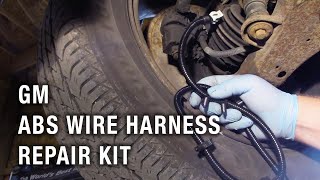
- Wiring Harness Chafing: Some owners have reported issues where the ABS wiring harness, located on the passenger side of the engine bay, can rub against aftermarket headers or other engine components, causing wires to melt. This can trigger ABS, Stabilitrak, and Traction Control lights and may mimic the failure of the module itself. A technical service bulletin was issued to add a retainer clip to prevent this harness from rubbing. Always inspect this harness for damage before replacing the module. 🎬 See how to use GM ABS wire harness repair kits
- NHTSA Recall 25V-148 (Transmission Related): Certain 2020-2022 Camaros with the 10-speed automatic transmission were recalled for an issue that could, in rare cases, cause the wheels to lock up. However, this defect was traced to the transmission control valve body, and the remedy is a software update for the transmission controller, not a replacement of the ABS module.
Symptoms of a Failing ABS Control Module

A bad ABS module will almost always make its presence known through a collection of dashboard warning lights. Because the module controls multiple safety systems, you'll often see several lights appear at once.
- ABS Warning Light: This is the most common and direct symptom. An illuminated ABS light indicates the system has detected a fault and has been disabled.
- Traction Control and Stabilitrak Lights: Since the ABS module manages these systems, its failure will also disable them, triggering their respective warning lights on the dash.
- Unresponsive or Hard Brake Pedal: In some failure modes, the brake pedal may become difficult to press or feel unresponsive, requiring more effort to stop the vehicle.
- Wheels Locking Up: The primary job of ABS is to prevent your wheels from locking and skidding during a hard stop. If the module has failed, the system will not intervene, and your wheels can lock up, increasing stopping distances and causing a loss of steering control.
- Inaccurate Speedometer: In many modern cars, the instrument cluster gets its vehicle speed data from the ABS module, which aggregates the readings from the wheel speed sensors. A faulty module can cause the speedometer to read incorrectly or drop to zero while driving.
Common Diagnostic Trouble Codes (DTCs)
A professional OBD-II scanner capable of reading chassis codes is required to diagnose the ABS system. Common codes pointing to a faulty module include:
- C0110 - Pump Motor Circuit Malfunction: This code often indicates a problem with the electronic pump motor attached to the ABS module.
- U0121 - Lost Communication With Anti-Lock Brake System (ABS) Control Module: This code means other computers in the car can no longer talk to the ABS module, often pointing to an internal electronic failure.
- C0035, C0040, C0045, C0050 - Wheel Speed Sensor Circuit Faults: While these codes can mean a bad wheel speed sensor, a faulty ABS module can also cause them by failing to properly read a good sensor. It's common to diagnose the sensors first before condemning the module.
Variant and Trim Level Compatibility

Warning: This is the most critical factor when buying a replacement module. The ABS module from a V6 LS/LT model is NOT interchangeable with one from a V8 SS or ZL1 model.
The different Camaro trim levels are equipped with different braking systems. SS and ZL1 models feature high-performance Brembo brakes, which have different hydraulic characteristics than the standard brakes found on LS and LT models. The ABS module's software is specifically calibrated for the brake hardware it was designed for. Installing the wrong module will result in improper brake performance and persistent warning lights.
Always match the OEM part number from your original module exactly. Do not rely on visual appearance alone.
| Part Numbers | Likely Fitment (Verify by Matching Your Original Part) |
|---|---|
| 23303422, 23414640, 84121203, 84653125 | Commonly associated with 2016-2018 LS and LT models. |
| 84121209, 23281816 | Commonly associated with 2016-2017 SS models. |
| 84452779, 84452781, 84502351, 84819598 | Commonly associated with 2019+ LS/LT models. |
| 84452780, 84820908, 84653128 | Commonly associated with 2019+ SS and ZL1 models. |
Programming and Calibration: What You Must Know
A replacement ABS control module—whether it is brand new or used—must be programmed to your vehicle's VIN. There are no exceptions for this generation of Camaro. This process, often called "flashing," loads the vehicle-specific software and configuration into the module, allowing it to communicate with the engine computer, body control module, and other systems.
Pro Tip: Do not trust sellers who claim to offer "pre-programmed" or "plug-and-play" modules. True programming can only be done once the module is installed in the target vehicle and connected to its unique network of computers.
Who Can Program the Module?
- GM Dealership: Any Chevrolet dealer can perform the programming. This is the most straightforward, though not always the cheapest, option.
- Independent Repair Shop: A qualified independent shop that has a J2534 Pass-Thru device and an active subscription to GM's online Service Programming System (SPS) can also program the module.
- Mobile Mechanics / Diagnostic Specialists: Some mobile services specialize in module programming and can perform the service at your location.
The programming procedure itself typically costs the equivalent of one hour of shop labor, generally between $150 and $250. Be wary of any shop quoting significantly more, as they may not be properly equipped for the job.
Buying a Used 2016-2024 Camaro ABS Module
Purchasing a used OEM ABS module is an excellent way to save a significant amount of money. Since new aftermarket options are not readily available for this part, a used unit is often the best alternative to an expensive new OEM module. Here’s what to look for:
- Match the Part Number Exactly: This is the number one rule. Find the part number on your original module and match it to the used part. This ensures you get the correct hardware and basic software profile for your trim level.
- Verify the Donor Vehicle: If possible, confirm the year and trim level (LS/LT, SS, ZL1) of the car the part came from. This provides a second layer of verification that it's the correct unit for your brake system.
- Inspect the Connectors: Check the electrical connector pins on the used module. They should be clean, straight, and free of any green or white corrosion. Damaged pins can cause communication errors.
- Budget for Programming: Remember to factor in the cost of programming when buying a used module. Call a local dealer or qualified shop beforehand to get a quote so there are no surprises.
Replacement Overview

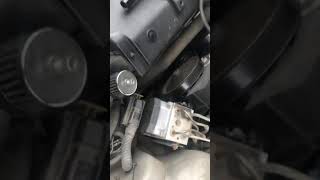
The ABS module and pump assembly is located in the engine compartment, typically on the driver's side near the firewall.
Difficulty: 4 out of 5 (Physical installation is moderate; mandatory programming requires special tools)
DIY Feasibility: A skilled DIY mechanic can perform the physical swap, but the final programming step must be done by a professional.
The replacement process involves:
- Disconnecting the negative battery terminal.
- Unplugging the main electrical connector from the module.
- Carefully removing the brake lines from the hydraulic unit using a line wrench to avoid stripping the fittings. Be prepared for some brake fluid spillage.
- Unbolting the module and pump assembly from its bracket and removing it from the vehicle.
- Installation is the reverse of removal. After the new unit is installed, the entire brake system must be bled. A scan tool is often required to perform an "automated bleed" procedure, which cycles the ABS pump to purge all air from the hydraulic block.
Pro Tip: On some vehicles, it is possible to only replace the electronic control module by carefully unbolting it from the hydraulic pump assembly while it's still in the car. This is a delicate procedure that can avoid the need to open brake lines and bleed the system, but it carries the risk of damaging the components if not done correctly.
Cost Comparison
| Part or Service | Estimated Cost |
|---|---|
| New OEM Module Assembly | $550 - $1,200+ |
| New Aftermarket | Not widely available |
| Used OEM Module Assembly | $150 - $350 |
| Remanufactured / Repair Service | $150 - $400 (Varies by service) |
| Shop Labor (Physical Swap) | $115 - $170 |
| Shop Labor (Programming) | $150 - $250 |
Frequently Asked Questions (FAQ)
Can I drive my Camaro with a bad ABS module?
Yes, but with significant risk. Your normal hydraulic brakes will still function, but you will not have anti-lock brakes, traction control, or stability control. This means your wheels can lock up during a panic stop, and the car will be more prone to skidding on wet or loose surfaces. It should be repaired as soon as possible.
Do I have to bleed the brakes after replacing the ABS module?
Yes, if you replace the entire module and hydraulic pump assembly, you absolutely must bleed the entire brake system. This often requires a scan tool to perform an "automated bleed" to cycle the internal valves and pump to remove all trapped air. If you only replace the electronic portion of the module without disconnecting brake lines, bleeding is not necessary.
Will replacing a wheel speed sensor fix my ABS light?
It might. Wheel speed sensors are a common failure point and are much cheaper and easier to replace than the module. If your diagnostic scan reveals a code for a specific wheel speed sensor (e.g., C0040 for the right front), it is wise to replace that sensor first. If the code returns or you have a communication code like U0121, the module itself is the more likely culprit.
What is the difference between the ABS module and the ABS pump?
The two parts are typically bolted together into one assembly. The "module" is the electronic computer part with the wiring connector. The "pump" or "hydraulic control unit" is the metal block with the brake lines going into it, containing valves and a small motor. Sometimes they can be replaced separately, but they are often sold as a single unit.
Helpful Videos
Technical Specifications
OEM Part Numbers: 23303422 23414640 84121203 84452780 84452781 84653128 84820908 84452779 84502351 84653125 84819598 23281816 84121209
Bosch ABS 9.0 System. Consists of an electronic control module (EBCM) and a brake pressure modulator valve (BPMV).
We Have This Part in Stock



The information in this article is provided for general reference and educational purposes only. Vehicle specifications, procedures, and part compatibility can vary by production date, trim level, and region. Always consult your vehicle's factory service manual and verify part numbers before purchasing or performing repairs. Safety-critical components such as airbags, seat belts, and braking systems should be installed by a qualified professional.
- Chevrolet Camaro:
- 🎬 Helpful Videos
- 🛍️ Shop This Part
- Known Issues, TSBs, and Recalls
- Symptoms of a Failing ABS Control Module
- Common Diagnostic Trouble Codes (DTCs)
- Variant and Trim Level Compatibility
- Programming and Calibration: What You Must Know
- Who Can Program the Module?
- Buying a Used 2016-2024 Camaro ABS Module
- Replacement Overview
- Cost Comparison
- Frequently Asked Questions (FAQ)
- 🎟️ Get 5% Off