

2016–2018 Kia Sorento 3.3L V6 AWD Transmission: Problems, Identification, and Used Replacement
Identify the A6LF2 transmission, understand what causes it to fail, and learn exactly what to look for when buying and installing a used OEM replacement unit.
- Before installation, you must photograph the 68-digit QR code on the replacement transmission and use a professional scan tool to program this data into the vehicle's computer to avoid severe shifting problems.
- Ensure the replacement transmission is the correct A6LF2 variant for a 2016-2018 Sorento with the 3.3L V6 and AWD, as units from FWD or 4-cylinder models are not compatible.
- When installing a used unit, it is highly recommended to proactively replace the internal wire harness/temperature sensor assembly and flush the transmission cooler lines to prevent common failures.
- Always use genuine Hyundai/Kia ATF SP-IV or SP-4M-1 fluid; using incorrect fluid can lead to torque converter shudder and clutch damage.
Identifying Your Transmission

This article covers the specific 6-speed automatic transmission assembly found in the 2016, 2017, and 2018 Kia Sorento equipped with the 3.3L V6 engine and All-Wheel Drive (AWD). This transmission is part of the Hyundai/Kia A6LF family, specifically the A6LF2 variant designed for the torque output of the V6 engine.
How to Confirm Fitment
To ensure you are purchasing the correct used transmission, verify the following on your vehicle:
- Vehicle Model & Year: Must be a Kia Sorento from model years 2016, 2017, or 2018.
- Engine: Must be the 3.3L V6. This transmission will not work with 4-cylinder engines.
- Drivetrain: The vehicle must be All-Wheel Drive (AWD). You can confirm this by checking for a rear differential and a driveshaft running to the back of the vehicle.
- Identification Codes: Look for a tag, barcode, or QR code sticker on the top of the transmission case, often near the shifter cable bracket. The code should begin with "BA" or list the exact part number 45000-3BMG0 or 45000-3BMG0R.
Pro Tip: Before removing the old transmission, locate the tag on top of the case and take a clear photo. This can help you verify the part number with the seller of the used unit during your pre-purchase verification interview.
What Will Not Fit
It is crucial to understand that not all Sorento transmissions from this era are interchangeable. The following will not fit or function correctly:
| Incompatible Transmission | Reason for Incompatibility |
|---|---|
| Front-Wheel Drive (FWD) Transmissions | The transmission case is different and lacks the output for the AWD transfer case (power take-off unit). |
| 4-Cylinder Transmissions (A6MF family) | Transmissions from 2.0L or 2.4L Sorento models are not built to handle the V6 engine's power. |
| 2019+ Sorento Transmissions | Starting in 2019 for the V6, Kia switched to an 8-speed automatic transmission which is not compatible. |
Common Failure Symptoms

A failing A6LF2 transmission can exhibit a range of symptoms. It's important to properly diagnose the issue, as some engine problems can mimic transmission trouble.
- Harsh or erratic shifting, especially during downshifts.
- Delayed engagement when shifting from Park into Drive or Reverse.
- Slipping between gears, where the engine RPMs flare up without an increase in speed.
- Illuminated Check Engine Light, often with transmission-specific Diagnostic Trouble Codes (DTCs) like P0705, P0711, P0712, or P0713.
- Intermittent failure to start, which could be related to the inhibitor switch.
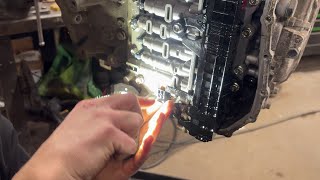
- Vehicle entering "limp mode," where it gets stuck in one gear (often 3rd) as a protective measure. This can be caused by a failed internal temperature sensor. 🎬 See this temperature sensor replacement walkthrough
- Internal component wear, specifically affecting the Overdrive and 3-5-R clutch packs, or torque converter clutch failure.
- Underdrive piston lip seal wear, particularly on early A6 series units, requiring a full teardown to replace the inner seal.
Diagnostic Flowchart

Known Issues, Service Bulletins, and Recalls
While this transmission is generally considered robust, several known issues are documented in Technical Service Bulletins (TSBs). As of mid-2024, there are no open recalls specifically for the transmission assembly itself, but related service campaigns exist.
Service Action: Inhibitor Switch Replacement (SA317A / SA317B/C)
Affected Years: Primarily 2017 models produced between August 29, 2016, and June 15, 2017.
Symptoms: This issue can cause a variety of problems, including a no-start condition, harsh shifting, an illuminated check engine light with DTC P0705, and the gear position not displaying correctly on the dash.
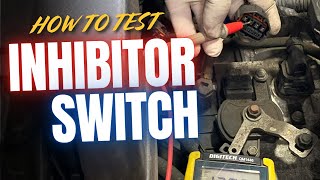
Remedy: The fix involves replacing the externally mounted inhibitor switch (also known as a range sensor). This is a service action, meaning it is performed by dealers when a vehicle comes in for service.
Service Action: TCU Shift Quality Improvement (SA292A)
Affected Years: 2016–2017 Sorento 3.3L models produced from October 23, 2014, through April 18, 2016.
Symptoms: Owners may experience harsh downshifts, upshifts, or a delay in shifting.
Remedy: This is a software issue. A Kia dealer can perform a software update for the Transmission Control Unit (TCU) to improve the shifting logic.
TSB: Solenoid Valve / Oil Pressure Data Transfer (16-AT-007 / 20-AT-020H)
Affected Years: All (2016-2018)
Symptoms: Not a failure, but a critical procedure. Failure to perform this step after replacing a transmission will result in severe shift shock or slipping.
Remedy: The individual solenoids in each transmission have unique performance characteristics. This data is stored on a 68-digit QR code sticker on the transmission case. When a transmission is replaced, this data must be programmed into the vehicle's computer using a dealer-level scan tool.
Internal Wire Harness / Temp Sensor Failure
Affected Years: All (2016-2018)
Symptoms: Can cause DTCs P0711, P0712, or P0713 and may force the transmission into a high-pressure limp mode as a protective measure.
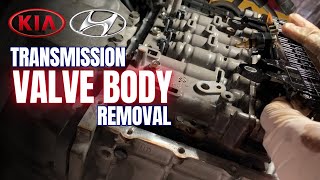
Remedy: This requires dropping the transmission oil pan and valve body to replace the internal wiring harness, which contains the temperature sensor.
Front Pump Seal Leak (TSB ENG237)
Affected Years: All (2016-2018)
Symptoms: Fluid leaking from the front of the transmission.
Remedy: Address the pump bolt covering the seal drain passage. Always verify that leaks are not actually coming from the engine Oil Pressure Switch (TSB ENG237) before assuming the transmission pump seal has failed.
What Fails at Every Mileage Band
Pro Tip: The mileage bands below describe the typical condition of USED REPLACEMENT units at that specific mileage. The checklists provided are critical steps you must take WHILE INSTALLING the purchased unit to ensure it survives, not general maintenance advice for your current broken transmission.
Under 60,000 Miles
Even low-mileage units can have hidden issues. Valve body bore wear can occur in as few as 40,000 miles, leading to various shift quality complaints. Software and logic issues may cause low-speed clutch shudder, clunky or harsh shifts, and lurching from a stop. The internal transmission fluid temperature sensor (part of the internal wire harness) is a known failure point that can cause firm shifts, no torque converter lock-up, and potentially trigger a failsafe mode. Inhibitor switch failure was also common enough on 2017 models to warrant TSB SA317A.
- ✓Do during install (required): Perform the TCU software update (TSB SA292A) to improve shift logic.
- ✓Do during install (recommended): Replace the internal wire harness, which includes the problematic temperature sensor. The later model year harness is a recommended upgrade for earlier versions.
- ✓Cheap insurance while the engine is out: Replace all external seals (axle, torque converter), the transmission filter, and use only genuine Kia SP-IV/SP4M-1 fluid. Flush the transmission cooler lines to remove any potential debris from the old unit.
60,000 - 100,000 Miles
In this band, failures of the internal wire harness and integrated temperature sensor become much more common. You will also see solenoid and valve body issues due to fluid contamination or wear, leading to harsh shifting, delayed engagement, or slipping. Torque converter clutch shudder or failure can also appear. Note that some owners report the beginning of engine oil consumption issues around this time, which can easily be misdiagnosed as transmission problems.
- ✓Do during install (required): If not already done, replace the internal wire harness/temperature sensor assembly as a critical preventative measure.
- ✓Do during install (recommended): Consider replacing the set of shift solenoids while the pan is off, especially if the fluid from the core unit was dark or burnt.
- ✓Cheap insurance while the engine is out: Perform a full fluid exchange with genuine Kia SP-IV/SP4M-1 fluid, replace the filter, and all external seals. Thoroughly clean and grease the AWD transfer case splines.
100,000 - 150,000 Miles
At this stage, there is an increased likelihood of internal mechanical wear, including the clutch packs (specifically Overdrive and 3-5-R) and torque converter failure. Complete transmission failure requiring replacement becomes more frequent. Valve body and solenoid failures become more prevalent, especially if fluid service has been neglected. Leaks from seals and gaskets are also more common at this age and mileage.
- ✓Do during install (required): Assume the internal wire harness/temp sensor is near the end of its life and replace it.
- ✓Do during install (recommended): A used unit in this mileage band is a prime candidate for a proactive rebuild of the valve body and replacement of all solenoids before installation.
- ✓Cheap insurance while the engine is out: Replace the torque converter, all external seals, filter, and perform a complete fluid exchange with OEM fluid. Inspect and replace transmission mounts if they show any signs of wear or cracking.
Over 150,000 Miles
Units over 150,000 miles will have general end-of-life wear and tear on all internal components, including clutch packs, bearings, and the torque converter. Failures are almost certainly due to accumulated wear and fluid breakdown over a long service life. There is a high potential for issues with the valve body and solenoids if they are original.
- ✓Do during install (required): At this mileage, installing a used unit without a full inspection and refresh is a major risk. At a minimum, replace the internal wire harness, all solenoids, the torque converter, all seals, and the filter.
- ✓Do during install (recommended): A full rebuild of the used transmission is the most prudent course of action to ensure reliability.
- ✓Cheap insurance while the engine is out: Flush cooler lines, use OEM fluid, inspect mounts, and grease AWD splines.
Real Owner Experiences
To understand how these transmissions fail in the real world, here is a collection of verified owner reports and industry observations.
| Source | Mileage | What Happened | Cost |
|---|---|---|---|
| Car and Driver | Under 40,000 | A long-term test vehicle experienced low-speed clutch shudder and clunky shifts. Multiple software updates failed to fix the issue, which worsened until the transmission was replaced with a refurbished unit under warranty. [2] | Warranty |
| Gears Magazine | As low as 40,000 | Transmission repair shops report seeing significant valve body bore wear even at low mileage, causing a variety of shift quality problems. [1] | N/A |
| BobIsTheOilGuy Forum | ~36,000 | An owner noted that the transmission shifts a little 'sharp' from 1st to 2nd when cold and planned to have the fluid changed after research suggested the 'lifetime' fluid was found to be black at this mileage. [8] | Preventative Maintenance |
| Reddit r/kia | 70,000 | A 2016 Sorento needed a new motor, but the owner was denied warranty coverage for lack of oil change proof. This highlights the importance of differentiating engine and transmission issues. [20] | N/A |
| Reddit r/kia | Not Specified, but common in this range | An owner experienced intermittent lurching/jerking during shifts. A commenter suggested it could be the transmission temperature sensor, which was fixed under warranty for them. [37] | Warranty |
| Reddit r/Cartalk | 126,000 | A 2016 Sorento V6 AWD exhibited rough shifting, delays, and engagement issues. A recent transmission service did not resolve the problem, indicating a deeper internal issue. [9] | Diagnosis/Repair Pending |
| Reddit r/KiaSorento | 122,000 | An owner reported their 2016 Sorento's engine blew, a reminder to correctly diagnose the powertrain component at fault. [20] | Engine Replacement |
| Reddit r/askcarguys | 180,000 | While on a different Kia model, a user reported a transmission failure at 180,000 miles, with a replacement cost estimated between $2,200-$2,500 for a used unit, indicating this is a common mileage for end-of-life. [38] | $2,200 - $2,500 |
| Reddit r/kia | <7000 | Dealer replaced the transmission under warranty. | $0 |
| Edmunds | 3500 | Owner experienced jerking/missing feeling. Dealer could not replicate initially but eventually addressed an issue. | N/A |
| BobIsTheOilGuy Forums | 3000 | Owner noted a 'stuttering or pulsing transmission problem' that seemed to improve as mileage increased. | N/A |
Repair or Replace?
When facing transmission issues, deciding whether to repair your current unit or replace it entirely depends on the specific failure mode.
When Repair Makes Sense
| Repair Scenario | Estimated Cost | When to Consider This Repair |
|---|---|---|
| Inhibitor Switch Failure (TSB SA317A) | $150 - $350 | When symptoms include a Check Engine Light with code P0705, no-start conditions, or erratic shifting (especially on 2017 models), replacing this external part is an inexpensive fix. |
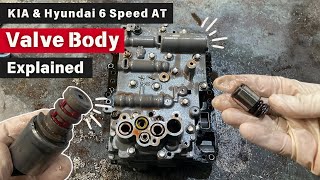
| Valve Body / Solenoid Failure | $400 - $1,500 | If specific shifting issues are present and the transmission's mechanical parts are good, replacing a single solenoid ($150-$400) or the valve body is cheaper than a full replacement. |
| TCU Software Update (TSB SA292A) | $100 - $250 | For shift quality issues on 2016-2017 models, this low-cost software update from a dealer is a logical first step to address poor shift feel. |
| Internal Wire Harness / Temp Sensor Failure | $500 - $900 | If diagnostics confirm the harness or sensor is the sole problem, this repair is much more economical than replacement as it does not require removing the entire transmission. |
| Front Pump Seal Leak | $61 - $90 (for diagnosis) | For minor leaks where the source is confirmed to be a simple seal and no internal damage has occurred from fluid loss, a repair is cost-effective. |
When Replacement is Smarter
Replacement is the smarter option when there is significant internal mechanical damage, such as worn clutch packs, torque converter failure, or damage from overheating. If the cost of a major rebuild, which can range from $1,800 to $3,500, approaches or exceeds the cost of a quality used or remanufactured unit, replacement offers better value and often comes with a warranty. Given that used units typically run $400 - $1,700 and remanufactured units range from $750 - $4,200, replacement is often more financially sound than a major internal repair.
Replacement Cost Estimates
The cost to replace a transmission varies widely based on the type of replacement unit, location, and shop labor rates. The labor for this job is significant, typically estimated between 7.0 and 12.0 hours.
| Part / Service | Estimated Cost (USD) |
|---|---|
| Used OEM Assembly | $400 - $1,700 |
| Remanufactured Assembly | $750 - $4,200 |
| New OEM Assembly | $3,500+ |
| Installation Labor | $800 - $1,800 |
Note: Prices are estimates and do not include taxes, fluids, or required consumable parts.
Freight & Delivery Reality

When ordering a used transmission assembly, it will not arrive in a standard cardboard box via regular mail. Based on verified shipping data, this A6LF2 transmission assembly weighs approximately 246 lbs and measures roughly 35" x 24" x 24" before crating. It ships as LTL (Less-Than-Truckload) freight on a wooden pallet.
- Delivery Requirements: Because of the weight, you or your shop will need a forklift or a delivery truck equipped with a liftgate to lower the pallet to the ground.
- Inspect Before Signing: Always inspect the transmission while the delivery driver is present. Check for cracked bell housings, broken sensor connectors, or crushed oil pans. If the unit is damaged, note it on the delivery receipt before signing.
Essential Steps for a Successful Installation

Replacing a modern automatic transmission is a complex job best left to experienced technicians. The DIY difficulty is rated as Advanced / Expert. You will need specialized tools, including an engine support bar, a subframe jack or transmission jack, a professional OBD2 scan tool with bi-directional capabilities, a torque wrench, a fluid pump/filler, and optionally a videoscope.
Programming is Not Optional
Warning: You MUST transfer the solenoid calibration data from the replacement transmission to the vehicle's computer. Before installing the unit, take a clear, readable photo of the 68-digit QR code sticker on top of the transmission case. A professional scan tool is required to input these 'Oil Pressure Characteristic' values and reset the TCU's adaptive learning. Skipping this step will cause severe shifting problems or slipping.
Torque Converter and Fluid Management
Warning: Ensure the torque converter is fully seated into the transmission's front pump. You should feel it engage multiple times (clicks) as it slides in. Failure to do this will destroy the pump gear when the engine is started.
- Use the Correct Fluid: This transmission requires genuine Hyundai/Kia ATF SP-IV or an approved equivalent like SP-4M-1. Using universal or incorrect ATF can cause torque converter shudder and clutch damage.
- Flush the Cooler: Always use a cooler line flush agent to clean the transmission cooler and lines before installing the replacement unit. Debris from the old, failed transmission can contaminate the new one and clog new solenoids.
Pro Tip: When servicing the AWD system, it's wise to clean and apply high-quality water-resistant extreme-pressure grease to the splines of the transfer case where it connects to the transmission. This helps prevent stripping and future loss of AWD functionality.
Questions to Ask Your Installer
Before handing over your vehicle, ask your mechanic these questions to ensure they are prepared for this specific job:
- Have you worked on the Hyundai/Kia A6LF series transmission before?
- Do you have a professional scan tool capable of performing the 'Oil Pressure Characteristics Input' for the solenoid QR code and the 'TCU Adaptive Values Reset'?
- Will you be taking a clear photo of the QR code on the replacement unit for programming before you install it?
- Does your quote include flushing the transmission cooler and lines?
- What brand and type of transmission fluid will you be using? (It must be genuine SP-IV or a fully compatible equivalent).
- Will you be inspecting and greasing the splines for the AWD transfer case during installation?
- What warranty do you offer on your labor and on the supplied transmission unit?
Arrival Inspection for Your Used Transmission
When your used transmission arrives, inspect it closely before you spend hours installing it. Catching a problem now saves you from having to remove a bad unit later.
Fluid Color, Smell, and Magnet Check
The Kia A6LF2 transmission does not have a traditional bottom oil pan that you can unbolt. Instead, you must check the magnetic drain plug located on the bottom of the main case.
- Inspect the magnet: Remove the drain plug and look at the magnetic tip. A small amount of fine, gray metallic paste is normal wear. Large metal flakes, chunks, or broken metal pieces mean the internal gears are destroyed. Do not install the unit.
- Check the fluid: Catch the leftover fluid that drips out of the drain hole. The correct Kia SP-IV fluid starts out bright red. If the leftover fluid is pitch black, thick, or smells like burnt toast, the internal clutch packs (the friction disks that shift the gears) are burnt.
Torque Converter Hub and Input Splines
If your used transmission includes a torque converter (the large metal donut that connects the engine to the transmission), slide it off carefully to inspect the hidden parts.
- Torque converter hub: Look at the smooth metal tube sticking out of the back of the converter. This tube spins inside the transmission's front pump seal. If you can feel deep grooves worn into the metal with your fingernail, the hub is bad. It will tear the new seal and cause a massive fluid leak.
- Input shaft splines: Look at the grooved teeth on the main shaft sticking out of the front of the transmission. The teeth must be straight and evenly spaced. If the splines are twisted, chipped, or covered in heavy rust, the transmission will fail to transfer power from the engine.
Frequently Asked Questions (FAQ)
What is included in a typical used transmission assembly?
A used assembly generally includes the transmission case, all internally lubricated parts, the internal valve body and solenoids, the transmission oil pan, the torque converter, and the tail housing. It does NOT typically include the AWD transfer case (power take-off unit), external sensors, external wiring harness, Transmission Control Module (TCM), shifter linkage or cables, flexplate (flywheel), or external cooler lines.
Does the computer need to be reprogrammed for a used transmission?
Yes. While the main computer (TCM) does not need to be replaced, it must be programmed with the unique calibration data from the replacement transmission's solenoids (the 68-digit QR code) and have its adaptive shift values reset using a dealer-level scan tool.
What is the correct fluid for the 2016-2018 Sorento 3.3L transmission?
The required fluid is genuine Hyundai/Kia ATF SP-IV or the compatible SP-4M-1 fluid. Do not use generic or multi-vehicle fluids.
How do I check the transmission fluid level?
This transmission does not have a traditional dipstick. The fluid level must be checked via an overflow plug on the front plastic cover while the vehicle is level, running in Park, and the transmission fluid is strictly between 122°F and 140°F (50°C - 60°C). This procedure requires a scan tool to monitor the fluid temperature.
How long does this transmission usually last?
With consistent maintenance, the A6LF2 transmission can reasonably be expected to last 150,000 to 200,000 miles. The single most critical factor for longevity is regular transmission fluid changes. Performing a drain-and-fill every 30,000-50,000 miles is widely recommended to prevent premature wear.
Can I use a transmission from a 4-cylinder Sorento?
No. The 4-cylinder models use the A6MF transmission family, which is not built to handle the torque of the 3.3L V6 engine and will not fit.
Helpful Videos

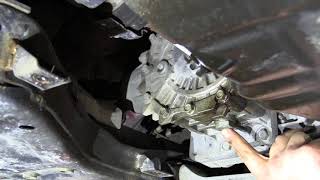
Technical Specifications
OEM Part Numbers: 45000-3BMG0 45000-3BMG0R
Transmission Type: 6-Speed Automatic; Model Family: Hyundai/Kia A6LF; Model Variant: A6LF2; Application: 2016-2018 Kia Sorento; Engine Compatibility: 3.3L V6; Drivetrain: All-Wheel Drive (AWD); Required Fluid: Hyundai/Kia ATF SP-IV or SP-4M-1; Dry Weight: Approx. 246 lbs; Identification Codes: Begin with 'BA'
We Have This Part in Stock


The information in this article is provided for general reference and educational purposes only. Vehicle specifications, procedures, and part compatibility can vary by production date, trim level, and region. Always consult your vehicle's factory service manual and verify part numbers before purchasing or performing repairs. Safety-critical components such as airbags, seat belts, and braking systems should be installed by a qualified professional.
- Kia Sorento:
- 🎬 Helpful Videos
- 🛍️ Shop This Part
- Identifying Your Transmission
- How to Confirm Fitment
- What Will Not Fit
- Common Failure Symptoms
- Diagnostic Flowchart
- Known Issues, Service Bulletins, and Recalls
- Service Action: Inhibitor Switch Replacement (SA317A / SA317B/C)
- Service Action: TCU Shift Quality Improvement (SA292A)
- TSB: Solenoid Valve / Oil Pressure Data Transfer (16-AT-007 / 20-AT-020H)
- Internal Wire Harness / Temp Sensor Failure
- Front Pump Seal Leak (TSB ENG237)
- What Fails at Every Mileage Band
- Under 60,000 Miles
- 60,000 - 100,000 Miles
- 100,000 - 150,000 Miles
- Over 150,000 Miles
- Real Owner Experiences
- Repair or Replace?
- When Repair Makes Sense
- When Replacement is Smarter
- Replacement Cost Estimates
- Freight & Delivery Reality
- Essential Steps for a Successful Installation
- Programming is Not Optional
- Torque Converter and Fluid Management
- Questions to Ask Your Installer
- Arrival Inspection for Your Used Transmission
- Fluid Color, Smell, and Magnet Check
- Torque Converter Hub and Input Splines
- Frequently Asked Questions (FAQ)
- 🎟️ Get 5% Off