

2016-2025 Model X & 2021-2025 Model S A/C Hose Guide: Leaks, Failure Symptoms, and Replacement
Diagnose common A/C hose leaks and failures in your Tesla Model S or Model X and understand the critical checks before buying a used replacement.
- The most common failure symptom is a loss of cooling, often accompanied by hissing sounds or an oily residue near the hose.
- Replacement is not a DIY job; it requires specialized equipment to handle refrigerant and specific safety protocols for the high-voltage system.
- When buying a used hose, meticulously inspect the rubber for cracks and the metal fittings for damage, and ensure the part number matches your vehicle's requirement.
- Always replace the receiver/drier or desiccant bag and all relevant O-rings whenever an A/C hose is replaced to prevent future system failure.
Symptoms of a Failing A/C Hose

A failing A/C hose on a 2016-2025 Tesla Model X or 2021-2025 Tesla Model S will usually present obvious symptoms. Because the A/C system is critical for both cabin cooling and battery thermal management, addressing these signs quickly is important.
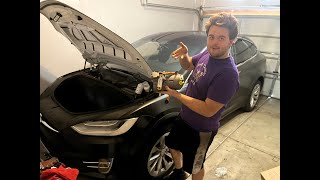
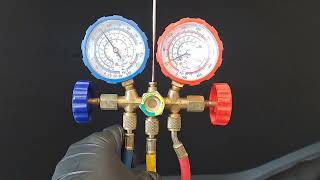
- Weak or No Cold Air: This is the most common symptom. A leak in a hose allows refrigerant to escape, and without enough refrigerant, the system cannot cool the air. 🎬 Watch: A comprehensive walkthrough on diagnosing a Tesla A/C system.
- Hissing Sounds: A distinct hissing noise from the engine bay or front of the vehicle, especially when the A/C is on, often indicates refrigerant escaping from a crack or a loose fitting in a hose.
- Visible Refrigerant Leak: Refrigerant itself is a gas, but it circulates with a special oil. A leak will often leave a greasy or oily residue on the hose, fittings, or on the ground underneath the car. This residue will attract dirt, making the leak location appear grimy.
- A/C System Warning Lights: Your Tesla's display may show a "Climate keeper unavailable due to system fault" message or other climate-related warnings. This can be triggered by the system's pressure sensors detecting a loss of refrigerant.
- Musty or Chemical Smell: While a musty or vinegar-like smell is a very common Tesla issue related to moisture on the evaporator coil and cabin filters, a chemical smell could indicate a refrigerant leak inside the cabin.
Known Issues, TSBs, and Recalls

As of early 2026, there are no specific NHTSA recalls or widespread Technical Service Bulletins (TSBs) directly targeting the A/C hoses for the 2016-2025 Model X or 2021-2025 Model S. However, owners have reported several related issues:
- A/C Drain Clogs: On some earlier Model S and X vehicles, the A/C evaporator drain hose was known to clog or was improperly routed, sometimes dripping condensation onto the main battery pack. While this is a drain hose and not a high-pressure refrigerant hose, it highlights the importance of the overall HVAC system's design. A service bulletin was issued for older models to correct this.
- "Tesla A/C Smell": A widely discussed issue is a foul, musty, or vinegar-like smell from the vents. This is caused by moisture building up on the evaporator coil and fostering mildew growth on the cabin air filters. While not a hose failure, a leaking hose can cause the system to run inefficiently, potentially worsening moisture issues. The primary fix involves cleaning the evaporator and replacing the cabin air filters. 🎬 See how to fix that musty A/C smell yourself.
- Software Faults: Sometimes, A/C cooling issues can be traced back to a software glitch. A system reset or a full power-down procedure can sometimes resolve a "Climate keeper unavailable" fault without any parts being replaced.
Pro Tip: Before assuming a hose has failed, check for software issues. Perform a soft reset (holding both scroll wheels) and a full power-off from the safety menu. This can sometimes clear erroneous sensor faults and restore A/C function.
Buying a Used A/C Hose: What to Check

A recycled OEM A/C hose can be a cost-effective and reliable alternative to an expensive new part, especially since aftermarket options for Teslas are limited. However, a thorough inspection is critical.
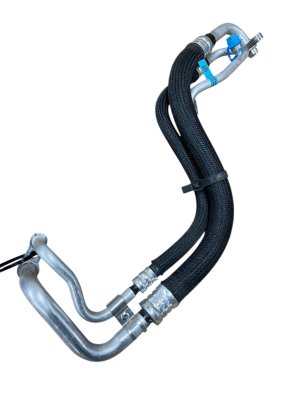
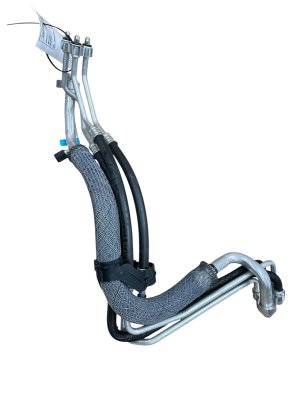
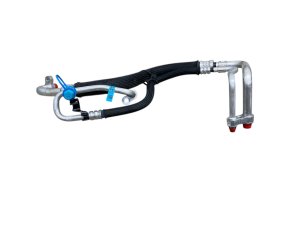
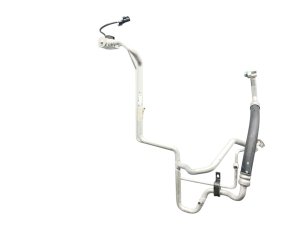
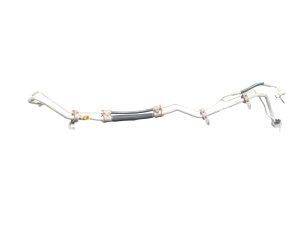
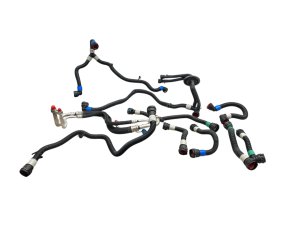
- Verify the Part Number: Tesla uses multiple part numbers and revisions. The provided numbers (1056259-00-D, 1486469-00-B, 1594005-00-C) fit various configurations within the specified model years. Always match the part number from your old hose or confirm compatibility with the vehicle's VIN. Part number 1594005-00-C, for example, is listed as an AC Compressor Manifold Pipe for 2021-2024 Model X and S. Part 1056259-00-D is a liquid suction pipe for the 2016-2020 Model X.
- Inspect the Rubber Sections: Carefully examine the flexible rubber portions of the hose. Look for any signs of cracking, hardening, swelling, or abrasion. Bend the hose gently; it should be flexible, not brittle.
- Check the Metal Fittings: Inspect the aluminum end fittings for corrosion, cracks, or stripped threads. Ensure the mounting brackets are intact and not bent. Pay close attention to the sealing surfaces where the O-rings sit; they must be perfectly smooth and free of nicks or deep scratches.
- Look for Oily Residue: Any significant oily film on the hose could indicate it was removed from a system with a leak. While some residual oil is normal, heavy, grimy buildup is a red flag.
- Ensure Caps are Present: Reputable recyclers will cap the ends of the hose immediately after removal. This prevents moisture and debris from entering the hose, which could contaminate and destroy the entire A/C system upon installation. If the hose arrives uncapped, do not use it.
Replacement Overview & Difficulty
Replacing an A/C hose on a Tesla Model S or Model X is a complex task not recommended for most DIY mechanics.
- Difficulty: 4 out of 5
- Key Challenges: The primary challenges are the legal requirement to use specialized equipment to recover and recharge refrigerant, and the safety procedures for working on a high-voltage electric vehicle. Accessing the hoses often requires removing the front bumper or under-hood storage unit (frunk). Some drain hose replacements even require the high-voltage battery to be removed.
Warning: The A/C system is under high pressure. Attempting to disconnect hoses without properly evacuating the refrigerant can cause severe injury and is illegal in most places. Furthermore, improper handling of the high-voltage system can be fatal. This repair should be left to qualified technicians with the proper tools and training.
Cost Comparison
Prices can vary significantly based on the specific hose and supplier. Labor costs for A/C work are also high due to the specialized equipment required.
| Part Source | Estimated Cost |
|---|---|
| New OEM (Tesla) | $150 - $400+ |
| New Aftermarket | $75 - $200 (Limited availability) |
| Used OEM | $50 - $150 |
| Shop Labor (including refrigerant recovery/recharge) | $300 - $600 |
Frequently Asked Questions (FAQ)
Can I drive my Tesla with a leaking A/C hose?
Yes, you can safely drive the vehicle. However, the air conditioning will not work, which also means you will not have an effective window defogger in humid conditions, potentially affecting visibility. It's best to get it repaired promptly.
Will a leaking A/C hose cause the bad "Tesla A/C smell"?
Not directly. The infamous bad smell is caused by mildew on the evaporator coil and filters. However, a system that is low on refrigerant may not run correctly, potentially leading to more moisture buildup and making the smell worse. Fixing the leak and then cleaning the evaporator is the complete solution.
Do I need to replace anything else when replacing an A/C hose?
Yes. You must always replace the rubber O-rings or seals at the hose connections to ensure a proper seal. It is also mandatory to replace the receiver/drier (or desiccant bag) anytime the A/C system is opened to the atmosphere. This part absorbs moisture, and a single exposure to open air can saturate it, rendering it useless.
Why are there so many different part numbers for the same hose?
Tesla frequently revises parts. The different letters at the end of the part number (e.g., -00-C, -00-D) often signify design revisions. While a newer revision may be compatible with an older vehicle, it's not guaranteed. Always confirm fitment using your vehicle's VIN.
Helpful Videos

Technical Specifications
OEM Part Numbers: 1056259-00-D 1486469-00-B 1594005-00-C
Hoses are typically constructed from reinforced rubber with crimped aluminum end fittings. Designed for use with R-1234yf refrigerant in newer models.
We Have This Part in Stock

The information in this article is provided for general reference and educational purposes only. Vehicle specifications, procedures, and part compatibility can vary by production date, trim level, and region. Always consult your vehicle's factory service manual and verify part numbers before purchasing or performing repairs. Safety-critical components such as airbags, seat belts, and braking systems should be installed by a qualified professional.
- Tesla Model X:
- Tesla Model S: