

2018-2021 GMC Acadia A/C Hose and Leak Diagnosis Guide
This guide covers common A/C hose failures, known refrigerant leaks from other components, and what to inspect when buying a used A/C hose for your 2018-2021 GMC Acadia.
- A common cause of A/C failure on the 2018-2021 Acadia is a leaking condenser, not necessarily a hose. Always perform a leak test first.
- The OEM part number 12666619 listed in the prompt is for a heater hose, not an A/C hose.
- Replacement requires specialized equipment to recover and recharge the A/C system, making it unsuitable for most DIYers.
- When buying a used hose, inspect it for cracks, brittleness, and oily residue. Always use new O-rings for installation.
Symptoms of a Failing A/C Hose

A problem with an A/C hose will almost always result in a loss of refrigerant, leading to poor cooling performance. Here are the most common signs:
- Warm Air from Vents: This is the most obvious symptom. As refrigerant leaks out, the system loses its ability to cool the air.
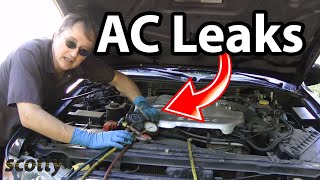
- Visible Leaks or Oily Residue: The refrigerant in your A/C system is mixed with a special lubricant (PAG oil). If a hose is leaking, you will often see an oily, greasy film on the hose itself, its fittings, or on components nearby. This residue attracts dirt, making the area look grimy. 🎬 See how to find leaks and replace a hose
- Hissing Sounds: A large enough leak can sometimes produce an audible hissing sound from the engine bay when the A/C system is trying to run.
- A/C Compressor Won't Turn On: A/C systems have pressure sensors that prevent the compressor from engaging if the refrigerant level is too low. This is a safety feature to prevent damage to the compressor.
Known A/C System Issues on 2018-2021 GMC Acadia

While A/C hoses can fail on any vehicle, the 2018-2021 Acadia and its platform mates (Buick Enclave, Chevy Traverse) 🎬 Watch: Top 5 common problems for this Acadia generation are known for a few specific A/C leak points that can be mistaken for a bad hose.
A/C Condenser Leaks (Common Issue)
A very common problem on these vehicles is a refrigerant leak from the A/C condenser. Specifically, GM issued Technical Service Bulletin (TSB) 18-NA-240 which points to a leak at the A/C condenser's receiver/dehydrator tank plug. Another TSB, PIT5614, also discusses leaks from this same plug area. A technician may find the system low on refrigerant and, after adding UV dye, can confirm the leak is coming from the bottom driver's side of the condenser. Because of its location at the front of the vehicle, the condenser can also be damaged by road debris, causing leaks that are unrelated to this specific TSB.
Pro Tip: Before replacing any A/C hoses, it is critical to have the system professionally inspected for leaks. A faulty condenser is a more common failure point on these models and can present the same symptoms as a bad hose.
Initial Data Error: The initially provided part number, 12666619, is for a heater pipe or hose, not an A/C hose. This part carries engine coolant, not A/C refrigerant. Always verify part numbers against the specific A/C line you are replacing.
Buying a Used A/C Hose: Inspection Checklist

A used OEM A/C hose can be a great value, as factory parts often have superior materials and fitment compared to some aftermarket options. However, careful inspection is key.
- Check the Rubber: Squeeze the rubber portions of the hose. It should be firm but flexible. Reject any hose that is hard, brittle, cracked, or feels spongy and swollen.
- Inspect the Metal Fittings: Look closely at the aluminum fittings on each end. Check for deep corrosion, stripped threads, or any signs of being bent or damaged. Ensure any mounting tabs or brackets are intact and not broken off.
- Look for Oily Residue: A light, dry film might be acceptable, but any wet or heavy oily residue is a major red flag indicating a past leak. The part should be clean and dry.
- Verify O-Rings/Seals: The hose should come with its sealing caps on if possible, to keep moisture and debris out. You should always plan on replacing the small rubber O-rings or seals with new ones before installation.
- Confirm Part Number and Routing: A/C hoses are specific to engine size (2.5L, 3.6L, or 2.0L Turbo) and sometimes vehicle options. Compare the used hose directly to your old one to ensure all bends, lengths, and bracket locations match perfectly. 🎬 Watch: How a rubbing power steering hose causes A/C leaks
Cost & Replacement Information

Replacing an A/C hose is a job for an experienced DIYer or a professional shop due to the special equipment required.
| Item | Detail |
|---|---|
| Installation Difficulty | 4 out of 5 |
| DIY Feasible? | No (Requires A/C recovery and recharge machine) |
| Estimated Time | 1.5 - 2.5 hours |
| Refrigerant Type | R-1234yf or R-134a (Check underhood sticker) |
Cost Breakdown
Prices can vary significantly based on which specific hose is needed (e.g., compressor to condenser, suction line). The costs below are general estimates.
| Part/Service | Estimated Cost |
|---|---|
| New OEM A/C Hose | $100 - $300+ |
| New Aftermarket A/C Hose | $50 - $150 |
| Used OEM A/C Hose | $30 - $90 |
| Shop Labor (including A/C service) | $290 - $425+ |
Warning: The A/C system is under high pressure and contains refrigerant that is harmful to the environment. It is illegal to vent refrigerant into the atmosphere. The system must be evacuated with a certified recovery machine before any lines are disconnected and then properly vacuumed and recharged after the repair.
Frequently Asked Questions (FAQ)
Can I drive my Acadia with a leaking A/C hose?
Yes, you can drive the vehicle. A leaking A/C hose does not affect the safety or drivability of the engine or transmission. However, your air conditioning will not work, and leaving the system open to the atmosphere for an extended period can allow moisture to enter and damage other, more expensive components like the compressor and receiver/drier.
My A/C is blowing warm. Is it definitely the hose?
Not necessarily. While a leaking hose is a possibility, the most common cause of warm air in a 2018-2021 Acadia is a leaking A/C condenser. Other potential causes include a failed compressor, a bad pressure switch, or an electrical issue. A proper diagnosis with a leak test is required.
What refrigerant does the 2018-2021 Acadia use?
These vehicles were produced during the transition from R-134a to the newer R-1234yf refrigerant. You MUST check the sticker under the hood of your specific vehicle to confirm which refrigerant it uses. The two are not compatible.
Why does the repair estimate include an 'A/C Service'?
To replace any A/C component, the entire system must first have its refrigerant removed (recovered). After the new part is installed, the system must be put under a deep vacuum to boil off any moisture, and then refilled with the precise weight of refrigerant and oil. This entire process is known as an A/C service and requires a specialized, expensive machine.
Helpful Videos

Technical Specifications
OEM Part Numbers: 84153135 84590964 19433690 84812616 15-34826
Refrigerant Type: R-134a or R-1234yf (Varies by vehicle, check underhood label). Hoses are typically constructed with a double wall barrier compatible with both refrigerants.
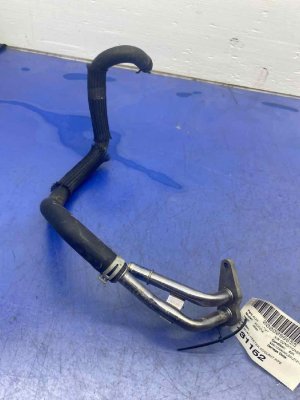
We Have This Part in Stock

The information in this article is provided for general reference and educational purposes only. Vehicle specifications, procedures, and part compatibility can vary by production date, trim level, and region. Always consult your vehicle's factory service manual and verify part numbers before purchasing or performing repairs. Safety-critical components such as airbags, seat belts, and braking systems should be installed by a qualified professional.
- GMC ACADIA: