

2003-2009 Toyota 4Runner A/C Evaporator: Diagnosing Leaks and Tackling the Dashboard-Out Replacement
This guide covers the common symptoms of a failing A/C evaporator in a 4th Gen 4Runner, and explains the critical differences between buying a bare core versus a complete used assembly.
- Evaporator replacement is a massive job requiring complete dashboard removal, rated 5/5 for difficulty and taking 10+ hours.
- The most definitive sign of a leaking evaporator is UV dye appearing at the A/C condensation drain under the vehicle.
- When buying used, purchase the entire evaporator assembly (the box), not just the bare core, to avoid extra labor and potential damage to old plastic parts.
- Always replace the A/C expansion valve and receiver/drier desiccant when replacing the evaporator to ensure longevity of the repair.
Symptoms of a Failing A/C Evaporator Core
A failing evaporator core in a 2003-2009 4Runner can be tricky to diagnose because it's hidden from view. However, it produces several distinct symptoms. Leaks are the most common failure mode for this part.
- Weak or Warm Airflow: The most obvious sign is when your A/C system can no longer cool the cabin effectively, especially on hot days. This happens when the refrigerant has leaked out, preventing the evaporator from getting cold.
- Musty or Moldy Smell: A damp, mildew-like odor coming from the vents when you turn on the fan is a classic sign. This is caused by mold and bacteria growing on the constantly moist surface of a failing or clogged evaporator.
- Sweet or Chemical Smell: A distinct, sweet chemical odor inside the cabin points directly to a refrigerant leak. You are smelling the refrigerant and the PAG oil mixed with it. Inhaling refrigerant is not safe.
- Water Leaking Inside the Cabin: If you notice wet carpets or water dripping onto the passenger-side floor, the evaporator's drain tube may be clogged or the case may be cracked. This prevents normal condensation from draining underneath the vehicle.
- A/C Compressor Won't Turn On: Your A/C system has pressure switches that prevent the compressor from running if the refrigerant level is too low. A significant leak in the evaporator will cause the system to lose its charge, disabling the compressor to protect it from damage.
- Hissing or Gurgling Noises: You might hear a faint hissing or gurgling sound from behind the dashboard when the A/C is on, which can indicate refrigerant moving through a cracked or leaking core.
Known Issues and Diagnosis
While there are no official recalls for the A/C evaporator on the 4th generation 4Runner, leaks from this component are a widely recognized common problem among owners. The part is buried so deep in the dashboard that confirming it's the source of the leak is the most important step before starting this major repair.
How to Confirm the Leak
The most reliable way to diagnose a leaking evaporator is with a UV dye test. Most vehicles have UV dye installed from the factory, but a shop can add it if needed.
- An A/C service machine is used to add UV dye to the refrigerant.
- Run the A/C system for 15-20 minutes to allow the dye to circulate.
- Using a UV flashlight, inspect the A/C system's condensation drain tube outlet, which is located on the passenger side of the firewall in the engine bay.
- If you see a glowing greenish-yellow residue at the drain tube, it is definitive proof that the evaporator core inside the dashboard is leaking.
Pro Tip: If you can't easily see the drain tube, you can collect the condensation water in a clean jar as it drips. Take the jar into a dark room and shine the UV light into it. If the water glows, the evaporator is leaking.
Replacement Overview & Difficulty
Replacing the A/C evaporator core is one of the most labor-intensive repairs on a 4th Gen 4Runner. It is not recommended for beginners.
- Difficulty: 5 out of 5
- Procedure: The entire dashboard assembly, including the instrument cluster, center console, airbags, and cross-car support beam, must be removed to access the HVAC (Heating, Ventilation, and Air Conditioning) box that contains the evaporator.
- Labor Time: Professional shops typically book around 10-12 hours for this job.
Warning: This job involves disconnecting airbags and handling refrigerant. The A/C system must be professionally evacuated before starting work and recharged and tested after the repair is complete. Improper handling of airbags can be extremely dangerous.
Buying a Used 2003-2009 4Runner A/C Evaporator
Given the high cost of a new OEM assembly, a used OEM part is an excellent value. However, it's critical to buy the right part and inspect it carefully.
Core vs. Complete Assembly: What to Buy
Toyota sells the internal evaporator core separately (Part #88501-35160), but it also sells the entire HVAC box as a complete assembly (e.g., Part #87050-35080 for 2006-2009 SR5/Sport models). Aftermarket companies mostly sell just the bare core.
It is highly recommended to purchase a complete, used OEM evaporator assembly. 🎬 Watch part one of this 4Runner evaporator replacement guide. The plastic housing, blend doors, and servo motors can become brittle with age. Buying the full assembly saves you the difficult and risky task of splitting open the old case to swap the core, and it ensures all the internal doors and actuators are included.
Inspection Checklist for a Used Part:
- Check for Leaks: Inspect the aluminum pipes where the expansion valve connects. Look for any dark, oily residue, which is a sure sign of a past leak.
- Inspect the Drain: Check the bottom of the plastic housing near the drain port for any oily or dyed residue.
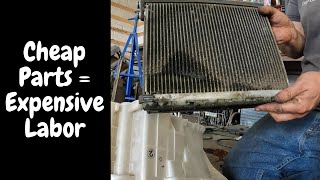
- Examine the Fins: Look at the cooling fins on the core. They should be straight and clean. Severely bent or corroded fins will restrict airflow.
- Verify Compatibility: The initial data provided highlights several compatibility warnings. Ensure the part you are buying is from a 4Runner with the same A/C system. The main front evaporator will not work in vehicles equipped with the optional, separate rear air conditioning system. Also, verify trim compatibility, as there were differences between SR5/Sport and Limited models, especially in the 2003-2005 range.
Related Parts to Replace
Since the entire dashboard is removed, it is smart and cost-effective to replace a few other small parts at the same time.
- A/C Expansion Valve: This small part regulates refrigerant flow into the evaporator. It's inexpensive and bolts directly to the evaporator pipes. It should always be replaced with a new one when the evaporator is replaced.
- Receiver/Drier: This is a filter that absorbs moisture from the refrigerant. On the 4Runner, it's a desiccant bag located inside a cylinder on the A/C condenser in front of the radiator. It is essential to replace this anytime the A/C system is opened to the atmosphere. 🎬 See crucial steps to take when replacing a 4Runner evaporator.
- Heater Core (Optional): The heater core sits in the same HVAC box as the evaporator. If your 4Runner has very high mileage, consider replacing the heater core as a preventative measure, as accessing it requires the exact same labor.
| Part/Service | Estimated Cost | Notes |
|---|---|---|
| New OEM Core (#88501-35160) | $280 - $410 | This is for the internal core only. |
| New Aftermarket Core | $70 - $150 | Brands like Denso, Four Seasons, and UAC. Quality can vary. |
| Used OEM Assembly | $80 - $150 | Recommended option. Includes the housing, doors, and actuators. |
| Shop Labor | $900 - $1,400+ | Based on 10-12 hours of labor. Prices vary by shop and location. |
Frequently Asked Questions (FAQ)
Can I replace the 4Runner's A/C evaporator myself?
This is not a DIY-friendly job for most people. It requires complete removal of the dashboard and instrument panel, handling of refrigerant, and specialized tools. It is considered an expert-level repair with a difficulty of 5/5.
My A/C smells like a dirty sock. Is the evaporator bad?
A musty or moldy smell is a very common symptom of a dirty or failing evaporator core. Moisture and debris build up on the fins, allowing mold and bacteria to grow. While sometimes a professional cleaning service can help, a persistent smell often indicates the core needs replacement.
Should I buy just the core or the whole assembly?
For a used part, always try to buy the complete evaporator assembly (the plastic box with the core inside). This saves you the labor of splitting the case and reduces the risk of breaking old plastic parts or having to transfer over aging blend door motors.
Do I need to replace my heater core at the same time?
It is not required, but it is highly recommended, especially on higher-mileage vehicles. The heater core is located in the same HVAC box as the evaporator. Replacing it later would require repeating the entire 10+ hour dashboard removal. Doing both at once is smart preventative maintenance.
Helpful Videos

Technical Specifications
OEM Part Numbers: 88501-35160 87050-35080 87050-35022 8705035020 8705035021 8850135100 8850135120 8850135130 8850135140 88515-60190
Fits 2003-2009 Toyota 4Runner models. Does not fit models with optional rear A/C systems. Specific assemblies may be required for SR5/Sport vs. Limited trims, especially for 2003-2005 models.
We Have This Part in Stock



The information in this article is provided for general reference and educational purposes only. Vehicle specifications, procedures, and part compatibility can vary by production date, trim level, and region. Always consult your vehicle's factory service manual and verify part numbers before purchasing or performing repairs. Safety-critical components such as airbags, seat belts, and braking systems should be installed by a qualified professional.
- Toyota 4Runner:
- 🎬 Helpful Videos
- 🛍️ Shop This Part
- Symptoms of a Failing A/C Evaporator Core
- Known Issues and Diagnosis
- How to Confirm the Leak
- Replacement Overview & Difficulty
- Buying a Used 2003-2009 4Runner A/C Evaporator
- Core vs. Complete Assembly: What to Buy
- Inspection Checklist for a Used Part:
- Related Parts to Replace
- Frequently Asked Questions (FAQ)
- 🎟️ Get 5% Off