

2001-2005 Toyota 4Runner A/C Evaporator: Leaks, Musty Smells, and Replacement
This guide covers the common failure symptoms of the A/C evaporator in 4th generation Toyota 4Runners and details the extremely involved replacement process.
- Evaporator replacement is one of the most labor-intensive repairs on a 4Runner, requiring complete dashboard removal and an estimated 8+ hours of labor.
- Common failure symptoms include weak/warm A/C, a persistent musty smell from the vents, and an A/C compressor that won't engage.
- When buying a used OEM evaporator, inspect it carefully for oily residue (a sign of leaks) and heavy corrosion.
- Due to the extreme labor involved, it is highly recommended to also replace the heater core and A/C expansion valve at the same time.
Symptoms of a Failing A/C Evaporator Core
A failing A/C evaporator in a 2001-2005 4Runner can present several distinct symptoms. Because it's buried deep within the dashboard, confirming it's the source of the problem is key before beginning the complex replacement process.
1. Weak or Warm Air from Vents
The most common symptom is a noticeable decline in cooling performance. If the air from your vents is only slightly cool or completely warm, it could be due to a refrigerant leak within the evaporator core. As refrigerant escapes, the system loses its ability to absorb heat from the cabin air. You might also notice the A/C works better on cooler days but can't keep up in hot weather.
2. Musty or Moldy Odor
A persistent musty, "dirty sock" smell coming from the vents, especially when you first turn on the A/C, is a strong indicator of a problem. The evaporator's cold, damp environment is a perfect breeding ground for mold and mildew. This happens when condensation that normally drains out of the vehicle gets trapped in the evaporator case. While sometimes this can be resolved with a chemical cleaning, a severe or recurring smell often points to a clogged or failing evaporator.
3. A/C Compressor Doesn't Turn On or Cycles Rapidly
Your 4Runner's A/C system has pressure switches that prevent the compressor from running if the refrigerant level is too low. A significant leak in the evaporator can cause the system pressure to drop, preventing the compressor from engaging at all. Alternatively, the compressor might turn on and off rapidly as the system struggles to maintain the correct pressure.
4. Oily Residue or Visible Dye Near the A/C Drain
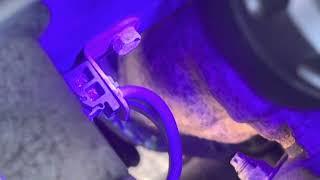
The refrigerant in your A/C system is mixed with a special oil. If the evaporator is leaking, this oil can escape with the refrigerant. A technician can add a UV dye to the system to find the leak's source. If the evaporator is the culprit, this dye and oily residue will often be visible in the condensation dripping from the A/C drain tube under the vehicle, typically on the passenger side. You may also notice water pooling on the passenger-side floorboard if the drain is clogged or the case is cracked.
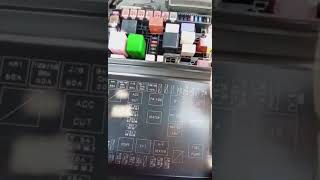
Pro Tip: A flashing A/C light on the dashboard of a 4th generation 4Runner often points to a faulty A/C magnetic clutch relay 🎬 Watch this quick diagnostic video on the flashing A/C light, which is an inexpensive and easy part to replace. Always check this relay before assuming a more complex component like the evaporator has failed.
Known Issues, TSBs, and Recalls
For the 2001-2005 model years, there are no specific recalls or widespread Technical Service Bulletins (TSBs) from Toyota directly addressing the A/C evaporator core. However, forum discussions among owners indicate that evaporator leaks are a known, albeit not universal, failure point on these vehicles as they age. The most relevant TSB for this generation's A/C system is for a flashing A/C light, which directs technicians to inspect the magnetic clutch relay.
Buying a Used A/C Evaporator Core: What to Look For
Given the high cost of labor for this repair, choosing a quality replacement part is critical. A used OEM evaporator can be a reliable and cost-effective option if you know what to inspect.
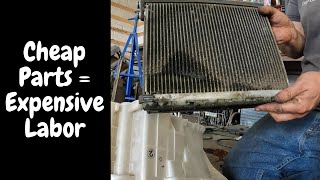
- Physical Inspection: Carefully examine the entire core for signs of damage. Look for bent or crushed cooling fins, which can restrict airflow. The most important thing to check for is an oily, greasy residue on the core's surface or around the pipe connections. This is a tell-tale sign of a past refrigerant leak.
- Check for Corrosion: Look for white, chalky corrosion on the aluminum surfaces. While minor oxidation can be normal, heavy corrosion, especially around the welds and seams, indicates the part has been exposed to excessive moisture and may be prone to future leaks.
- Verify Compatibility: The initial data provided contains several part numbers. It's crucial to match the part to your specific year and trim level. For example, some evaporators are for the main front A/C unit only and will not work in vehicles equipped with the optional rear air conditioning system. Cross-reference part numbers whenever possible.
- Why Used OEM?: A genuine Toyota evaporator was designed for a perfect fit inside the HVAC housing. Aftermarket parts can sometimes have slight dimensional differences that complicate the already difficult installation. The material quality and welding on an OEM part are often superior to cheaper aftermarket alternatives, offering better long-term durability.
Warning: This part is located inside the main HVAC (Heating, Ventilation, and Air Conditioning) housing. Ensure any used part you purchase is just the evaporator core itself, not the entire housing, unless you intend to replace the whole assembly.
Replacement Overview & Difficulty
Replacing the A/C evaporator core on a 2001-2005 Toyota 4Runner is a highly advanced and labor-intensive job.
- Difficulty Rating: 5 out of 5.
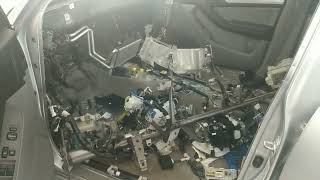
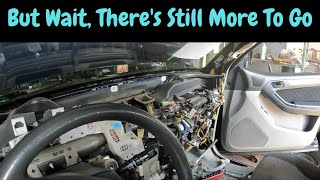
- Primary Challenge: The entire dashboard assembly must be removed to access the HVAC unit 🎬 Watch this video showing the evaporator core replacement process that contains the evaporator. This involves disconnecting numerous electrical connectors, removing the steering column, 🎬 See this step-by-step dashboard removal walkthrough instrument cluster, center console, and airbags.
- Specialized Procedures: The A/C system must be professionally evacuated of any remaining refrigerant before starting the repair and then properly recharged and leak-tested after the new part is installed. This requires specialized equipment.
- Pro Tip from Mechanics: While the dash is out, it is highly recommended to also replace the heater core and the A/C expansion valve. These parts are located in the same housing and require the same amount of labor to access. Replacing them proactively can save you from having to do the entire job again in the future.
| Part/Service | Estimated Cost |
|---|---|
| New OEM Part | $290 - $425 |
| New Aftermarket Part | $65 - $170 |
| Used OEM Part | $75 - $200 |
| Shop Labor | $866 - $1,271 |
| Total Professional Replacement | $1,240 - $1,812 |
Frequently Asked Questions (FAQ)
Can I replace the evaporator myself?
This is not recommended for DIY mechanics. The job requires complete removal of the dashboard and specialized tools to safely handle refrigerant. The risk of damaging electrical components, trim pieces, or the A/C system itself is very high. This repair is best left to experienced professionals.
What causes the musty smell from my A/C and how can I prevent it?
The smell is caused by mold and mildew growing on the damp evaporator core. To help prevent this, about a mile or two from your destination, turn off the A/C button but leave the fan running. This allows air to flow over the evaporator and dry it out, reducing the moisture that mold needs to grow.
Is a leaking evaporator dangerous?
While R-134a refrigerant is not highly toxic, inhaling it in a confined space is not recommended. The primary issue is the loss of air conditioning. However, a large leak could potentially displace oxygen in the cabin, though this is rare. The bigger risk is to the A/C system itself; running the compressor with low refrigerant can cause it to fail, leading to a much more expensive repair.
My A/C is blowing warm, but I don't smell anything. Could it still be the evaporator?
Yes. A leak in the evaporator is a common cause of warm air from the A/C system, even without a noticeable odor. The system could also be low on refrigerant due to a leak elsewhere, or there could be an issue with the compressor or an electrical component. A proper diagnosis using UV dye is the best way to confirm the source of the leak.
Helpful Videos
Technical Specifications
OEM Part Numbers: 8850135151 87050-35022 8705035020 8705035021 8705035022 88501-35050 8850135100 8850135120 8850135130 8850135140 8850135160 88510-35580 88510-35730 88510-35740 88510-35870
Plate and fin design. Fits front cooling unit only. Compatibility may vary based on trim (Limited, SR5, Sport) and presence of optional rear A/C system.
We Have This Part in Stock



The information in this article is provided for general reference and educational purposes only. Vehicle specifications, procedures, and part compatibility can vary by production date, trim level, and region. Always consult your vehicle's factory service manual and verify part numbers before purchasing or performing repairs. Safety-critical components such as airbags, seat belts, and braking systems should be installed by a qualified professional.
- Toyota 4Runner:
- 🎬 Helpful Videos
- 🛍️ Shop This Part
- Symptoms of a Failing A/C Evaporator Core
- 1. Weak or Warm Air from Vents
- 2. Musty or Moldy Odor
- 3. A/C Compressor Doesn't Turn On or Cycles Rapidly
- 4. Oily Residue or Visible Dye Near the A/C Drain
- Known Issues, TSBs, and Recalls
- Buying a Used A/C Evaporator Core: What to Look For
- Replacement Overview & Difficulty
- Frequently Asked Questions (FAQ)
- 🎟️ Get 5% Off