

2020-2026 Tesla Model Y A/C Evaporator: Solving the Vinegar Smell & HEPA System Failures
This guide covers the infamous A/C smell, critical compatibility warnings for HEPA systems, and how to tell if faulty sensors are the real problem, not the evaporator itself.
- The most common issue is a bad smell, which is usually fixed by cleaning the evaporator and changing filters, not by replacing the part.
- This evaporator ONLY fits Model Ys with the Bioweapon Defense Mode (HEPA filter); it is not compatible with standard A/C systems.
- A total loss of A/C may be caused by faulty sensors (TSB SB-21-18-002) or a software glitch (Recall 22V-063), which should be checked before replacing the evaporator.
- Replacement is a 5/5 difficulty job requiring complete dashboard removal and is not feasible for DIY mechanics.
The #1 Complaint: That Awful Vinegar or "Dirty Sock" Smell

By far, the most common issue Model Y owners experience with their A/C system is a persistent sour, musty, or vinegar-like smell coming from the vents when the climate control is turned on. This odor is almost always caused by mold, mildew, and bacteria growing on the A/C evaporator core.
This happens because the evaporator gets very cold during operation, causing condensation (water) to form on its fins. Due to the design of the HVAC housing, this moisture doesn't always drain completely, creating a damp, dark environment perfect for microbial growth. When you turn on the fan, air blows over this moldy core and carries the unpleasant smell into the cabin.
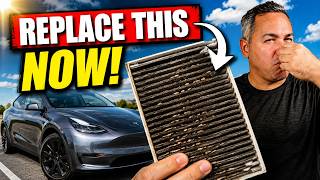
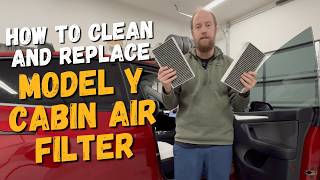
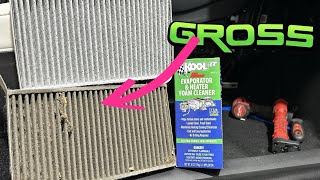
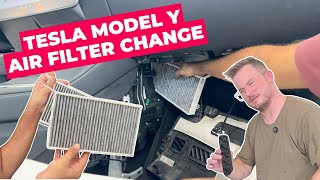
Pro Tip: Before assuming the evaporator core has failed and needs replacement, the first and most common fix for the smell is to have the evaporator professionally cleaned with a foaming, disinfecting cleaner and to replace the cabin air filters. 🎬 Watch: How to clean the evaporator and swap filters yourself. Tesla also released software updates intended to run the fan longer after the car is parked to help dry the evaporator and prevent future growth.
Symptoms of a Failing A/C Evaporator Core

Beyond the common smell issue, a truly failing evaporator core can exhibit several other symptoms:
- Weak or Warm Airflow: If the evaporator is leaking refrigerant, it cannot absorb heat effectively, resulting in air from the vents that isn't cold. A core that is clogged with debris or frozen over can also restrict airflow.
- A/C Compressor Won't Turn On: The A/C system has pressure sensors that detect the amount of refrigerant. If the evaporator has a significant leak, the refrigerant level will drop, and the system will prevent the compressor from turning on to protect it from damage.
- Sweet Smell Inside the Cabin: While a musty smell points to mold, a distinct, sweet chemical smell may indicate a refrigerant leak. Refrigerant often has a noticeable odor, and its accompanying PAG oil can also be smelled.
- Water Leaking into the Passenger Footwell: The evaporator produces a lot of condensation, which is supposed to exit the vehicle through a drain tube. If this tube becomes clogged, water can back up and leak onto the passenger side floor.
- Hissing Noise from the Dashboard: A hissing sound from the dash area when the A/C is running can be a sign of refrigerant escaping from a leak in the evaporator core or expansion valve.
Is It Really the Evaporator? Known TSBs and Recalls

For 2020-2022 Model Ys, a loss of heating and cooling is not always caused by a bad evaporator core. There are two major issues documented by Tesla and the NHTSA that can produce identical symptoms.
Service Bulletin SB-21-18-002: Faulty Refrigerant Sensors
Many early Model Y vehicles were built with refrigerant pressure/temperature (P/T) sensors that could fail over time. When these sensors provide incorrect data, the vehicle's computer shuts down the heat pump as a precaution, leading to a total loss of A/C and heat. 🎬 See why your HVAC might stop working due to sensor issues. The fix is to replace the faulty sensors (Tesla recommends replacing all three), then perform a full A/C system evacuation and recharge. This should be investigated before condemning the evaporator.
NHTSA Recall 22V-063: Sticking Expansion Valve
A software error could cause the electronic expansion valve in the heat pump to remain open in cold temperatures. This traps refrigerant inside the evaporator, leading to a fail-safe shutdown of the compressor and a loss of cabin heating and defrosting. Tesla addressed this with an over-the-air (OTA) software update, but it's a crucial diagnostic step to ensure the vehicle has the correct firmware before pursuing a hardware replacement.
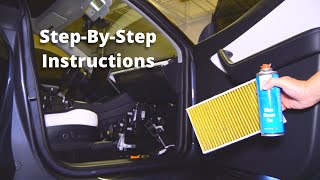
Warning: This evaporator core and its associated HVAC housing are ONLY for vehicles equipped with the HEPA air filtration system, marketed as "Bioweapon Defense Mode." It will not fit vehicles with the standard air intake and smaller cabin filters. 🎬 Watch: Step-by-step guide to replacing the cabin air filter. The entire HVAC case is physically larger to accommodate the HEPA filter. Attempting to install this in a non-HEPA vehicle will fail.
Buying a Used 2020-2026 Model Y A/C Evaporator Core

A used OEM evaporator can be a cost-effective solution, but careful inspection is critical. Given the known issues with this system, you must verify you are getting a good part.
Compatibility Check: HEPA Filter is Mandatory
First, confirm the donor vehicle had Bioweapon Defense Mode. The part number 1495167-00-B (or its later revisions) refers to the entire HEPA filter housing assembly which includes the evaporator. Do not purchase this part if your Model Y was not originally equipped with the HEPA filter.
Physical Inspection Checklist
- Check for Leaks: Carefully inspect the entire core, especially around the inlet/outlet pipes and welds. Look for an oily residue, which is a tell-tale sign of leaking refrigerant oil.
- Inspect the Fins: The thin aluminum fins should be straight and clean. Severely bent or crushed fins will impede airflow and reduce performance. Minor bends can be carefully straightened with a fin comb.
- Look for Corrosion: Check for heavy white or gray corrosion, especially at the bottom of the core where moisture might have sat. Significant corrosion can lead to future leaks.
- Verify Connections: Ensure the inlet and outlet pipe connections are not damaged, stripped, or bent.
Pro Tip: Sanitize Before Installation. Because of the high likelihood of mold and mildew, it is essential to thoroughly clean and sanitize a used evaporator core before installing it. Use a dedicated, no-rinse foaming evaporator cleaner and spray it liberally through all the fins. Let it work and drip dry to kill any lingering mold spores, ensuring you don't inherit the previous owner's smell problem.
Replacement Difficulty & Cost
Replacing the A/C evaporator core in a Tesla Model Y is an extremely difficult and time-consuming job, reserved for experienced technicians.
- Difficulty Rating: 5 out of 5
- Estimated Time: 10-15 hours
- DIY Feasibility: Not recommended for beginners or even most intermediate DIY mechanics.
The official Tesla service procedure requires a near-complete disassembly of the vehicle's interior. This includes recovering the A/C refrigerant, removing both front seats, the center console, the entire instrument panel (dashboard), the main center screen (MCU), the steering column, and the cross-car support beam just to access the HVAC unit. After replacing the core, the entire process must be reversed, and the A/C system must be vacuumed and recharged. Due to this complexity, labor costs are very high.
Cost Breakdown
| Part/Service | Estimated Cost |
|---|---|
| New OEM (Tesla Assembly) | $400 - $600 |
| New Aftermarket | $90 - $150 |
| Used OEM | $100 - $200 |
| Shop Labor | $1500 - $2500+ |
| Total Job Cost (Shop) | $2000 - $3100+ |
Frequently Asked Questions (FAQ)
Will replacing the evaporator core guarantee the bad smell goes away?
Not necessarily. While a contaminated core is the source of the smell, the root cause is moisture retention in the HVAC system. If you don't also get the software update that helps dry the core after use, the smell could eventually return even with a new part. Always start with a cleaning procedure before opting for a full replacement.
Can I upgrade my standard Model Y to the Bioweapon Defense Mode HEPA system?
No, this is not a feasible retrofit. The HVAC unit for the HEPA system is physically larger than the standard unit, and the vehicle's body and dashboard structure are different to accommodate it. You cannot simply swap the evaporator or filter assembly.
Is replacing the evaporator a DIY job?
No, this is considered a professional-only repair. It requires specialized tools like an A/C refrigerant recovery machine and involves removing the entire dashboard, which is a highly complex and lengthy process. Mistakes can lead to damage to sensitive electronics, airbags, or the A/C system itself.
What exactly is "Bioweapon Defense Mode"?
It is Tesla's marketing term for its advanced air filtration system that uses a very large HEPA (High-Efficiency Particulate Air) filter. When activated, the system increases fan speed to create positive pressure inside the cabin, helping to prevent unfiltered outside air from leaking in. It is highly effective at removing pollen, pollution, and other particulates from the air entering the cabin.
OEM Part Numbers
This evaporator is part of the larger HEPA filter housing assembly. The primary part number and its revisions include:
- 1495167-00-B
- 1495167-94-C
- 1495167-96-B
Always confirm the latest part number revision with a dealership or parts specialist before purchasing.
Helpful Videos
Technical Specifications
OEM Part Numbers: 1495167-00-B 1495167-94-C 1495167-96-B
Fits vehicles equipped with the HEPA (Bioweapon Defense Mode) filtration system only.
We Have This Part in Stock



The information in this article is provided for general reference and educational purposes only. Vehicle specifications, procedures, and part compatibility can vary by production date, trim level, and region. Always consult your vehicle's factory service manual and verify part numbers before purchasing or performing repairs. Safety-critical components such as airbags, seat belts, and braking systems should be installed by a qualified professional.
- Tesla Model Y:
- 🎬 Helpful Videos
- 🛍️ Shop This Part
- The #1 Complaint: That Awful Vinegar or "Dirty Sock" Smell
- Symptoms of a Failing A/C Evaporator Core
- Is It Really the Evaporator? Known TSBs and Recalls
- Service Bulletin SB-21-18-002: Faulty Refrigerant Sensors
- NHTSA Recall 22V-063: Sticking Expansion Valve
- Buying a Used 2020-2026 Model Y A/C Evaporator Core
- Compatibility Check: HEPA Filter is Mandatory
- Physical Inspection Checklist
- Replacement Difficulty & Cost
- Cost Breakdown
- Frequently Asked Questions (FAQ)
- OEM Part Numbers
- 🎟️ Get 5% Off