

2009-2012 Ford Flex, Explorer, Taurus & MKT A/C Evaporator: Front vs. Rear & Leak Guide
Diagnosing A/C leaks and cooling problems in your Ford or Lincoln and ensuring you buy the correct front or rear evaporator core.
- Crucially, you must identify if you need a FRONT or REAR evaporator. The Taurus/MKS only have a front unit; the Flex/Explorer/MKT can have both.
- Part numbers are specific to location (front/rear) AND climate control type (Automatic vs. Manual). Part AE9Z-19850-C is used for the front on a Taurus but the rear on a Flex.
- The 2011 Ford Explorer has a common, severe issue with the rear A/C lines corroding and seizing to the evaporator, making repair extremely difficult and expensive.
- Replacing the front evaporator is a 5/5 difficulty job requiring complete dashboard removal, making labor the most expensive part of the repair by far.
Critical: Front vs. Rear Evaporator Compatibility
Before purchasing an A/C evaporator for these vehicles, it is absolutely essential to identify if you need the front or rear unit and to verify your vehicle's specific climate control system. These vehicles were built on the same platform but offered different HVAC (Heating, Ventilation, and Air Conditioning) options, leading to significant part differences. Using the wrong part will result in an incompatible fit, wasting time and money on an extremely labor-intensive repair.
Warning: The Ford Taurus and Lincoln MKS are sedans and are only equipped with a front A/C evaporator. The Ford Flex, Ford Explorer, and Lincoln MKT are SUVs/crossovers available with an optional rear auxiliary A/C system. If your vehicle has rear ceiling vents with temperature controls, it has a rear A/C system.
Use the table below to identify the correct evaporator type for your vehicle. Always verify the OEM part number from your existing part before ordering.
| Part Number | Location | Vehicle & Control Type | Notes |
|---|---|---|---|
| AE9Z-19850-C (replaces AE9Z-19850-A, AE9Z-19850-B) |
Front | 2010-2012 Ford Taurus / 2010-2011 Lincoln MKS (with Automatic Temperature Control) |
This is the main evaporator inside the dashboard for sedans with automatic climate controls. |
| AE9Z-19850-C (replaces AE9Z-19850-A, AE9Z-19850-B) |
Rear | 2009-2012 Ford Flex / 2010-2012 Lincoln MKT (with Dual Zone Rear A/C) |
This is the auxiliary evaporator for the rear HVAC unit. |
| 8A8Z-19860-A (replaces 8A8Z-19849-A) |
Rear | 2009 Ford Flex (with Auxiliary HVAC) |
An earlier part number specifically for the rear unit on the Flex. Often sold as a kit with the expansion valve. |
Symptoms of a Failing A/C Evaporator
A failing evaporator core can present several distinct symptoms. Because replacement is so difficult, it's important to confirm the diagnosis before starting the repair.
- Weak or Warm Airflow: This is the most common symptom. The evaporator may be leaking refrigerant, preventing it from getting cold enough to cool the air.
- Musty or Moldy Smell: A damp, musty odor from the vents, especially when first turning on the A/C, points to mold and mildew growing on the evaporator core. This is often caused by a clogged evaporator drain tube that prevents condensation from escaping.
- Sweet or Chemical Smell: A distinct sweet smell inside the cabin is a tell-tale sign of a refrigerant leak. The refrigerant contains a lubricating oil that has this characteristic odor.
- A/C Works Intermittently: If the A/C blows cold for a few minutes and then the airflow weakens or turns warm, the evaporator core may be freezing into a block of ice. After you shut the car off for a while and the ice melts, it may work again temporarily. This can be caused by a bad expansion valve or a faulty evaporator temperature sensor.
- Hissing Sound from the Dashboard: An audible hissing or bubbling noise from behind the dashboard can be the sound of refrigerant gas escaping from a leak in the core.
- Water Leaking Inside the Cabin: If the evaporator drain tube becomes clogged, the condensation that normally drips under the car can back up and leak into the passenger-side footwell.
Vehicle-Specific Known Issues
2011 Ford Explorer: Rear A/C Line Corrosion & Leaks
Owners of the 2011 Ford Explorer (and later models) should be aware of a very common and frustrating problem: the aluminum A/C lines that run to the rear evaporator are highly susceptible to corrosion. These lines run underneath the vehicle and are exposed to road salt and moisture.
The leak typically occurs where the lines connect to the rear evaporator inside the passenger-side rear quarter panel. Galvanic corrosion between the aluminum lines, steel studs, and nuts causes them to seize together. Attempting to remove the nuts often results in breaking the lines or the studs on the evaporator itself. This turns a simple gasket replacement into a major repair, often requiring the replacement of both the rear A/C lines and the evaporator core, leading to repair bills that can run into thousands of dollars.
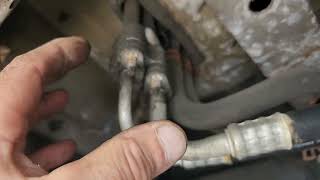
Pro Tip: If you are diagnosing a rear A/C leak on a 2011 Explorer, carefully inspect the lines themselves for corrosion before assuming the evaporator is bad. If the lines are corroded, aftermarket kits are available that replace the failure-prone aluminum lines with more durable flexible rubber hoses.
🎬 Watch a video on replacing corroded lines with flexible hosesFront Evaporator Replacement: Dashboard Removal
Replacing the front evaporator on any of these vehicles (Flex, Taurus, Explorer, MKS, MKT) is a massive undertaking. The evaporator is located inside the main HVAC plenum deep within the dashboard. To access it, the entire dashboard assembly must be removed from the vehicle. This is an extremely labor-intensive job, rated 5 out of 5 for difficulty, and is the primary reason for the high cost of replacement. It is generally not recommended for a DIY mechanic without significant experience.
Buying a Used A/C Evaporator Core
Purchasing a used OEM evaporator can be a cost-effective option, especially given the high price of a new OEM unit. However, careful inspection is critical.
- Verify Compatibility: This is the most important step. Double-check the part number and the specific application (Front/Rear, Auto/Manual Climate) against your vehicle's VIN and options. A part from a Flex with rear A/C will not work in the front of a Taurus.
- Inspect the Pipes: Look closely at the inlet and outlet pipes. Reject any evaporator that has cut pipes. Check for heavy corrosion, especially around the fittings. For a 2011 Explorer rear evaporator, be extremely wary of corrosion where the lines connect.
- Check the Fins: The delicate aluminum fins should be straight and clean. Severely bent or damaged fins will restrict airflow and reduce cooling performance. A light, oily residue on the core is a major red flag indicating a leak.
- Consider the Assembly: Sometimes, used evaporators are sold as a complete housing assembly. For the front unit, this can be beneficial if your original housing is damaged, but for the rear, it may not be necessary. For the 2010-2019 Flex, a complete rear assembly is available under part number DA8Z-19850-AV. 🎬 Watch this step-by-step Ford Flex evaporator replacement
- Why Used OEM?: An original equipment (OEM) evaporator is manufactured to Ford's exact specifications for fit and performance. This is critical for a part that requires removing the entire dashboard to install. A cheap aftermarket part that doesn't align perfectly can cause rattles, air leaks, or premature failure, forcing you to do the job all over again.
Cost Breakdown for A/C Evaporator Replacement
The cost is dominated by labor, especially for the front unit. Prices can vary significantly based on your location and the shop's labor rate.
| Item | Estimated Cost | Notes |
|---|---|---|
| New OEM Part | $350 - $560 | For the core itself. Complete assemblies are more expensive. |
| New Aftermarket Part | $50 - $120 | Brands like UAC, Four Seasons, and TYC are widely available. |
| Used OEM Part | $75 - $200 | Price depends on condition and whether it includes the housing. |
| Shop Labor (Front) | $900 - $1,500+ | Requires 6-10+ hours for complete dashboard removal and reinstallation. |
| Shop Labor (Rear) | $300 - $600+ | Requires removal of interior trim. Can be higher for Explorers with corroded lines. |
| A/C Service | $150 - $250 | Cost to evacuate and recharge the refrigerant, which is required for this repair. |
Frequently Asked Questions (FAQ)
Why is my A/C blowing warm, but I don't smell anything?
While a refrigerant leak is the most common cause, the issue could also be electrical. A faulty evaporator temperature sensor can incorrectly tell the vehicle's computer that the core is already freezing, which prevents the A/C compressor from turning on. This requires diagnosis with a scan tool to read the sensor's data. It could also be a bad compressor clutch, relay, or pressure switch.
Why is the replacement cost so high?
The cost is almost entirely due to labor. To replace the front evaporator, a technician must disconnect the battery, drain the coolant, evacuate the A/C system, and completely remove the steering column and dashboard assembly to get to the HVAC unit. For the rear unit, all of the cargo area trim on one side must be removed. It is one of the most labor-intensive repairs on a modern vehicle.
My rear A/C is leaking. Can I just block it off?
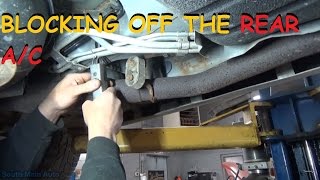
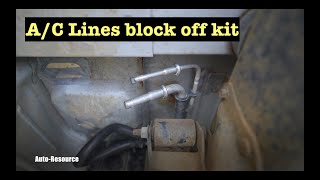
Yes, block-off kits are available that allow you to cap the A/C lines that run to the rear, effectively deleting the rear system. This is a much cheaper alternative to replacing the rear lines and/or evaporator on an older, high-mileage vehicle, especially on the 2011 Explorer where the repair cost can be prohibitive. The downside is you will no longer have air conditioning for rear passengers.
Should I replace the A/C expansion valve at the same time?
Yes, it is highly recommended. The expansion valve (or orifice tube) is a small, relatively inexpensive part that regulates refrigerant flow into the evaporator. It is almost always replaced along with the evaporator. Many new and used evaporators come with the valve already installed. Failing to replace it can lead to poor performance or a repeat failure.
Helpful Videos



Technical Specifications
OEM Part Numbers: 8A8H19D710AA 8A8H19D710AB 8A8Z-19860-A 8A8Z19849A 8A8Z19860A AA8Z19850A AA8Z19850C AE9Z-19850-A AE9Z-19850-B AE9Z-19850-C DA8Z-19850-AV
Varies by front/rear application. The core is typically made of aluminum with a plate-fin or tube-fin design. Many OEM parts include the expansion valve and case seals.
We Have This Part in Stock



The information in this article is provided for general reference and educational purposes only. Vehicle specifications, procedures, and part compatibility can vary by production date, trim level, and region. Always consult your vehicle's factory service manual and verify part numbers before purchasing or performing repairs. Safety-critical components such as airbags, seat belts, and braking systems should be installed by a qualified professional.
- Ford Flex:
- Ford Taurus:
- Ford Explorer:
- Lincoln MKS:
- Lincoln MKT:
- 🎬 Helpful Videos
- 🛍️ Shop This Part
- Critical: Front vs. Rear Evaporator Compatibility
- Symptoms of a Failing A/C Evaporator
- Vehicle-Specific Known Issues
- 2011 Ford Explorer: Rear A/C Line Corrosion & Leaks
- Front Evaporator Replacement: Dashboard Removal
- Buying a Used A/C Evaporator Core
- Cost Breakdown for A/C Evaporator Replacement
- Frequently Asked Questions (FAQ)
- 🎟️ Get 5% Off