

Tesla Model S & Model X A/C Condenser Guide: 2016-2025 Compatibility and Failure Symptoms
This guide details the common failure points, compatibility issues, and replacement nuances for the A/C condenser used in the 2016-2025 Tesla Model X and 2021-2025 Model S.
- Compatibility is critical. Verify part numbers and be aware of major differences between pre/post-refresh (2021/2022) models and Plaid vs. Long Range trims.
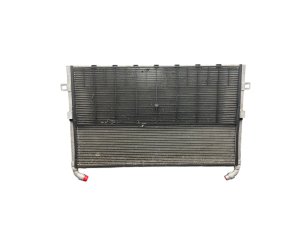
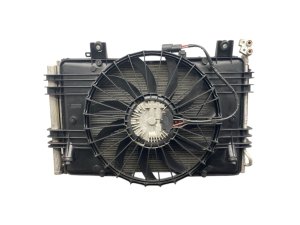
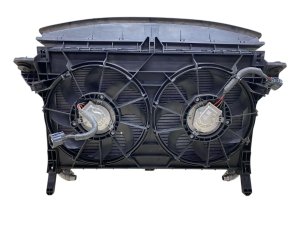
- This part is typically sold as a complete cooling module including the radiator and fans. You must compare your entire original unit to the replacement.
- Replacement is a complex, professional-level job requiring front bumper removal and specialized A/C service equipment for refrigerant recovery and recharging.
- A failing condenser can affect more than just cabin comfort; it plays a role in battery thermal management, potentially impacting performance and longevity.
Understanding the A/C Condenser in Your Tesla Model S and Model X

The A/C condenser in your Tesla is more than just a comfort feature; it's a key part of the vehicle's complex thermal management system. Located at the front of the vehicle, it's responsible for releasing heat from the A/C refrigerant. This process is vital not only for cooling the passenger cabin but also for maintaining the optimal temperature of the high-voltage battery. A failure in this system can lead to a loss of air conditioning and, in some cases, trigger vehicle warnings related to the battery cooling system.
Common Symptoms of a Failing A/C Condenser

A bad A/C condenser can manifest in several ways. Here are the most common signs to watch for:
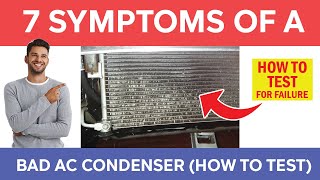
- Weak or No Cold Air: This is the most obvious symptom. If the condenser is blocked, damaged, or leaking, it cannot cool the refrigerant effectively, resulting in warm air from the vents.
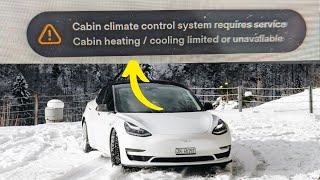
- "Cabin climate control system requires service" Message: Your Tesla's onboard diagnostics may detect a problem with A/C system pressure or temperature, triggering a service alert on the touchscreen. 🎬 See how to diagnose the cabin climate control service message This can sometimes be related to faulty sensors, but it often points to a larger issue within the system, such as a failing condenser or compressor.
- Visible Damage or Leaks: The condenser is positioned at the front of the car, making it vulnerable to impacts from road debris. A visual inspection may reveal bent or broken fins, or oily residue which indicates a refrigerant leak.
- A/C System Overheating: An inefficient condenser forces the entire A/C system to work harder, which can lead to overheating of components like the compressor.
Known Issues, Recalls, and Compatibility Warnings

Compatibility is the single most important factor when replacing this part. Tesla has made several running changes over the years. Pay close attention to the following:
Warning: Many of these condensers are sold as part of a larger cooling module that includes the radiator, cooling fan(s), and shroud. Always compare your existing part to the photos and part number of the unit you are purchasing.
2021+ Model S ('Palladium') and 2022+ Model X Refresh
A major vehicle refresh occurred for the Model S in 2021 and the Model X in 2022. These newer models, sometimes referred to as 'Palladium,' have different cooling system components. The A/C condenser and cooling module assembly for these refreshed vehicles are not backward-compatible with earlier model years. You must verify your vehicle's build date before ordering.
Plaid vs. Long Range Models
The high-performance Plaid versions of the Model S and Model X have more demanding cooling requirements. As a result, their cooling modules, including the condenser and radiator assembly, may differ from those in Long Range models. Part number 1589350-00-B is specifically associated with Plaid models. Always ensure the part you are buying matches your specific trim level.
Recalls and Service Bulletins
While there are no direct recalls for the A/C condenser itself on these models, related service bulletins exist. For example, some Model 3 and Y vehicles experienced issues with refrigerant pressure/temperature sensors that could cause A/C faults, a problem that could present similarly in Model S and X. Additionally, a recall for some 2020-2022 models (including S and X) addressed a software issue with the heat pump system that could cause the compressor to stop working in cold temperatures. Always ensure your vehicle's software is up to date, as Tesla often uses over-the-air updates to fix control issues.
Buyer's Guide: What to Check When Purchasing a Used A/C Condenser

Buying a used OEM condenser assembly can be a cost-effective solution, but careful inspection is key. Here’s what to look for:
- Verify the Part Number: This is the most critical step. Cross-reference the part number from your original unit with the seller's listing. Common assembly part numbers include 1031401-00-G and 1048498-00-C. Do not rely on year and model alone.
- Inspect for Physical Damage: Carefully examine the cooling fins. A few bent fins are acceptable and can be straightened with a fin comb, but widespread damage or large crushed areas will impede airflow and reduce performance. Check for cracks in the plastic shroud or fan blades.
- Check for Leaks: Look for oily residue, especially around the inlet/outlet ports and where the end tanks meet the core. This is a tell-tale sign of a refrigerant leak, which means the part is useless.
- Examine the Electrical Connectors: Ensure all electrical connectors for the fan(s) are intact, with no broken clips or corroded pins.
Pro Tip: When a used condenser is sourced from a vehicle where the A/C compressor failed catastrophically, it may contain metal debris that can destroy your new compressor. Ask the seller about the condition of the donor vehicle if possible. It is highly recommended to flush the system and replace the A/C desiccant bag anytime the system is opened.
Replacement Information
Replacing the A/C condenser assembly is a complex job best left to professionals or highly experienced DIY mechanics.
🎬 Watch this master class on troubleshooting Tesla A/C problems- Bumper Removal: The front bumper cover and often the front under-shroud must be removed to access the cooling module.
- A/C System Service: The job requires specialized equipment to safely recover the refrigerant from the system before disassembly and to pull a vacuum and recharge the system after installation. Releasing refrigerant into the atmosphere is illegal and harmful to the environment.
- Coolant Drainage: Because this is often a combined unit with the radiator, the vehicle's coolant system will likely need to be drained and refilled.
Cost of Replacement
The cost can vary significantly based on the parts needed (condenser only vs. full assembly) and labor rates.
| Item | Estimated Cost |
|---|---|
| New OEM Assembly (Tesla Service) | $1,500 - $2,500+ |
| New Aftermarket Condenser | $200 - $400 |
| Used OEM Assembly | $450 - $750 |
| Shop Labor | $500 - $1,000+ |
Frequently Asked Questions (FAQ)
Can I drive my Tesla with a bad A/C condenser?
Yes, but with caution. You will not have cabin A/C, which can be a safety issue for defrosting windows. More importantly, because the A/C system assists in battery cooling, you may experience reduced performance or see warning messages during high-demand driving or Supercharging, especially in hot climates.
Do I have to go to a Tesla Service Center for this repair?
No, any qualified repair shop with the proper A/C service equipment for R1234yf or R134a refrigerant (depending on your model year) and experience with EVs can perform the replacement. However, they will need access to Tesla's service procedures.
Why is it sold as a complete assembly with the radiator?
The condenser, radiator, and fans are packaged into a single, compact module for manufacturing and installation efficiency. While it is sometimes possible to separate the components, it is often easier and more reliable to replace the entire assembly.
What refrigerant does my Tesla use?
It depends on the model year. Newer vehicles typically use R1234yf, while older ones may use R134a. The type of refrigerant is specified on a label under the hood. Using the wrong type or the wrong oil can cause severe damage.
OEM Part Numbers and Specifications
The following OEM part numbers are associated with the A/C condenser and cooling module assemblies for these vehicles. Always verify the exact number on your part before ordering.
- 10031401-00-g
- 1031401-00-G
- 1048498-00-C
- 1048499-00-B
- 1048499-00-C
- 1589350-00-B (Plaid models)
Helpful Videos

Technical Specifications
OEM Part Numbers: 10031401-00-g 1031401 00 E 1031401-00-G 1048498-00-C 1048499-00-B 1048499-00-C 1589350-00-B 158935000B
Often sold as a complete cooling module with radiator and fan(s). Specific versions exist for Plaid and Long Range models, as well as for pre- and post-refresh vehicles.
We Have This Part in Stock

The information in this article is provided for general reference and educational purposes only. Vehicle specifications, procedures, and part compatibility can vary by production date, trim level, and region. Always consult your vehicle's factory service manual and verify part numbers before purchasing or performing repairs. Safety-critical components such as airbags, seat belts, and braking systems should be installed by a qualified professional.
- TESLA MODEL X:
- Tesla Model S:
- 🎬 Helpful Videos
- 🛍️ Shop This Part
- Understanding the A/C Condenser in Your Tesla Model S and Model X
- Common Symptoms of a Failing A/C Condenser
- Known Issues, Recalls, and Compatibility Warnings
- 2021+ Model S ('Palladium') and 2022+ Model X Refresh
- Plaid vs. Long Range Models
- Recalls and Service Bulletins
- Buyer's Guide: What to Check When Purchasing a Used A/C Condenser
- Replacement Information
- Cost of Replacement
- Frequently Asked Questions (FAQ)
- OEM Part Numbers and Specifications
- 🎟️ Get 5% Off