

2008-2018 Ford Focus Cooling Fan Guide: Overheating, A/C Problems, and Part Differences
This guide covers the common failure symptoms, replacement costs, and crucial generational differences for the 2008-2018 Ford Focus cooling fan assembly.
- The fan assembly is different for 2008-2011 and 2012-2018 models; they are not interchangeable.
- A primary symptom of failure is the engine overheating or the A/C blowing warm only when the car is stopped.
- Before buying a replacement, check fuses and relays first, as they are a common and inexpensive failure point.
- When buying used, inspect the plastic shroud for cracks and verify the part number matches your specific vehicle.
Generational and Engine Differences: Which Fan Fits Your Focus?

The 2008-2018 Ford Focus spans two distinct generations, and the cooling fan assemblies are NOT interchangeable. It is critical to identify your specific model year and engine to get the correct part. Using the wrong fan assembly can lead to improper fit, incorrect electrical connections, and persistent overheating issues.
Compatibility Warning: These fan assemblies are specifically for the 2.0L non-turbo gasoline engine and the Focus Electric (EV) model. They will NOT fit the turbocharged ST or RS models, or models with the 1.0L EcoBoost engine, which use different cooling systems.
Second Generation: 2008-2011 Ford Focus
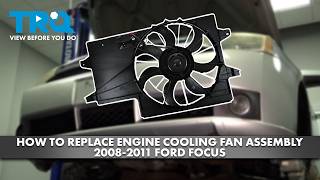
This generation uses a single type of cooling fan assembly for all 2.0L Duratec engines. This includes both 2-door coupe and 4-door sedan body styles, with either automatic or manual transmissions.
🎬 Watch this step-by-step replacement guide for 2008-2011 models.- Part Numbers: 8S4Z8C607A, 8S438C607AB, 8S438C607AC, 8S438C607AD, 8S438C607AE, 8S438C607AF, RF238
Third Generation: 2012-2018 Ford Focus
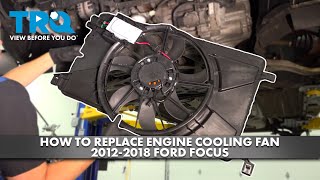
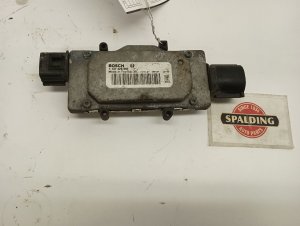
The third-generation Focus with the 2.0L non-turbo GDI engine and the Focus Electric model share a cooling fan assembly. This assembly includes an integrated fan control module, which is a common point of failure.
- Part Numbers: CV6Z8C607R, BV6Z8C607K, BV618C607KA, BV618C607KB, BV618C607KC, CV618C607BA, RF276. Part number CV6Z-8C607-R is a common replacement for BV6Z-8C607-K.
Common Symptoms of a Failing Cooling Fan

A failing cooling fan will make itself known quickly, especially in warmer weather or city driving.
- Engine Overheating at Idle or Low Speeds: This is the most common symptom. When you're stuck in traffic or at a stoplight, there's no natural airflow through the radiator. If the fan doesn't turn on, the engine temperature will climb rapidly, potentially causing a "High Engine Temperature, Stop Safely" warning on the dashboard.
- A/C Blows Warm Air When Stopped: The A/C system relies on the fan to cool the refrigerant in the condenser. If the fan isn't working, the A/C will struggle to produce cold air when the vehicle is stationary but may get cold again once you start moving at higher speeds.
- Fan Does Not Spin: After the engine has warmed up or when the A/C is turned on, you should be able to hear and see the fan running. If you pop the hood and the fan isn't moving, it's a clear sign of a problem.
- Check Engine Light: A fault in the fan control circuit can trigger a Diagnostic Trouble Code (DTC), such as P0480 for "Cooling Fan 1 Control Circuit Malfunction," illuminating the check engine light.
- Grinding or Buzzing Noises: Unusual noises from the front of the engine bay when the fan is supposed to be running can indicate a failing fan motor bearing or debris hitting the fan blades.
Buying a Used Ford Focus Cooling Fan Assembly

A used OEM cooling fan assembly can be a cost-effective and reliable alternative to expensive new parts. However, careful inspection is key to getting a good part.
What to Inspect:
- Check the Shroud for Cracks: The plastic shroud houses the fan and directs airflow. Inspect it thoroughly for any cracks, especially around the mounting points. A cracked shroud can vibrate, cause noise, and may not mount securely.
- Inspect the Fan Blades: Spin the fan blades by hand (with the vehicle off and battery disconnected). They should spin freely without wobbling or making noise. Check each blade for cracks, chips, or signs of being bent.
- Examine the Motor and Wiring: Look at the central fan motor for any signs of melting, burning, or corrosion on the electrical connector. Ensure the wiring harness is intact with no cut or frayed wires.
- Verify the Part Number: This is the most critical step. Match the part number on the used assembly to the one required for your vehicle's year and engine. The part number is typically on a sticker on the fan shroud or motor.
- For 2012-2018 Models: The fan control module is part of the assembly. Visually inspect the module and its connector for any signs of corrosion or heat damage.
Pro Tip: If possible, ask the seller to test the fan by applying 12-volt power directly to the motor's terminals. A brief spin is all you need to confirm the motor itself is functional.
Cost of Replacement: New vs. Used
The cost can vary significantly based on the generation of your Focus and the type of part you choose.
| Part Type | 2008-2011 Focus | 2012-2018 Focus | Notes |
|---|---|---|---|
| New OEM | $270 - $380 | $430 - $710 | Highest cost, but guaranteed fit and function. |
| New Aftermarket | $75 - $170 | $85 - $180 | Varying quality. May not include the control module on 2012+ models. |
| Used OEM | $40 - $75 | $45 - $115 | Cost-effective, but requires careful inspection. |
| Shop Labor | $100 - $150 | $120 - $175 | Labor costs are similar, but the total repair cost is higher for the 2012+ models due to the more expensive part. |
Installation Guide & Difficulty

Replacing the cooling fan assembly is a manageable DIY task for someone with basic mechanical skills.
- Difficulty Rating: 2 out of 5
- Estimated Time: 1-2 hours
Basic Replacement Steps (2012-2018 Model Example):
- Disconnect the Battery: Always disconnect the negative battery terminal before working on electrical components.
- Drain Coolant (Optional but Recommended): While some guides show replacement without fully draining the system, draining some coolant and disconnecting the upper radiator hose provides much more room to work.
- Disconnect Electrical Connector: Unplug the main electrical harness from the fan assembly.
- Remove Upper Mounting Clips/Bolts: The fan assembly is typically held in place by clips or bolts at the top. For the 2008-2011 models, these are often simple locking tabs. For 2012-2018 models, you may need to remove a few bolts.
- Lift Assembly Out: The fan assembly can then be carefully maneuvered up and out of the engine bay. It may be a tight fit around hoses and other components.
- Installation: Installation is the reverse of removal. Ensure the assembly seats correctly in its lower mounting points before securing the top. Reconnect the electrical plug and any hoses, then refill and bleed the cooling system if it was drained.
Known Issues, Recalls, and TSBs
As of early 2026, there are no specific NHTSA recalls for the cooling fan assembly on 2008-2018 Ford Focus models. However, overheating issues are a common complaint. Many overheating problems on the 2012-2018 Focus are attributed to other cooling system weaknesses, such as cracked coolant reservoirs or failing heater hoses, which can cause coolant loss and lead to overheating symptoms that might be mistaken for a bad fan.
Frequently Asked Questions (FAQ)
Can I drive my car with a broken cooling fan?
It is not recommended. While you might be fine at highway speeds where air is forced through the radiator, you are at high risk of severe engine damage from overheating as soon as you get into stop-and-go traffic or have to idle.
Why does my A/C only work when I'm driving?
This is a classic symptom of a failing cooling fan. The A/C system needs the fan to pull air over the condenser to cool the refrigerant. When you're driving, airflow does the fan's job. When you stop, if the fan isn't working, the refrigerant gets too hot and the A/C stops cooling.
Is the fan control module included with the fan assembly?
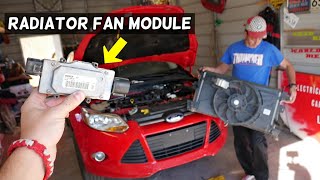
For 2008-2011 models, the fan control is typically managed by relays and the ECU. For 2012-2018 models, the fan assembly includes an integrated electronic fan control module. When buying a replacement, confirm if the module is included, as it is a frequent failure point.
🎬 See how to locate and replace the fan control module.My fan isn't working. What should I check first?
Before replacing the entire assembly, check the simple things first. Inspect the cooling fan fuse in the vehicle's fuse box. Also, check the associated relay. A blown fuse or a bad relay is a much cheaper and easier fix 🎬 Watch: How to diagnose why your radiator fan isn't working. than a new fan motor.
Helpful Videos
Technical Specifications
OEM Part Numbers: 8S4Z8C607A 8S438C607AB 8S438C607AC 8S438C607AD 8S438C607AE 8S438C607AF RF238 CV6Z8C607R BV6Z8C607K BV618C607KA BV618C607KB BV618C607KC CV618C607BA RF276
Fits 2.0L non-turbo and Electric (EV) models only. Does not fit ST or RS turbocharged models. 2012-2018 models include an integrated fan control module.
We Have This Part in Stock



The information in this article is provided for general reference and educational purposes only. Vehicle specifications, procedures, and part compatibility can vary by production date, trim level, and region. Always consult your vehicle's factory service manual and verify part numbers before purchasing or performing repairs. Safety-critical components such as airbags, seat belts, and braking systems should be installed by a qualified professional.
- Ford Focus:
- 🎬 Helpful Videos
- 🛍️ Shop This Part
- Generational and Engine Differences: Which Fan Fits Your Focus?
- Second Generation: 2008-2011 Ford Focus
- Third Generation: 2012-2018 Ford Focus
- Common Symptoms of a Failing Cooling Fan
- Buying a Used Ford Focus Cooling Fan Assembly
- What to Inspect:
- Cost of Replacement: New vs. Used
- Installation Guide & Difficulty
- Basic Replacement Steps (2012-2018 Model Example):
- Known Issues, Recalls, and TSBs
- Frequently Asked Questions (FAQ)
- 🎟️ Get 5% Off