

2013-2015 Chevrolet Spark A/C Condenser: Failure, Leaks, and Replacement Guide
This guide covers common A/C condenser failures on the 1.2L gas-powered Chevrolet Spark, what to inspect on a used part, and how to understand repair costs.
- This condenser fits only the 2013-2015 Chevrolet Spark with the 1.2L gasoline engine; it does not fit the Spark EV.
- The receiver/drier is integrated into the condenser and is not sold as a separate part. Always replace the complete assembly.
- Failure is most often caused by physical damage or corrosion leading to refrigerant leaks. Inspect any used part carefully for oily residue and corrosion.
- Replacement is not a simple DIY job as it requires specialized equipment to legally and safely evacuate and recharge the A/C system.
Symptoms of a Failing 2013-2015 Spark A/C Condenser

When the A/C condenser fails, the most common reason is a leak caused by physical damage or corrosion. Here are the most frequent signs that your condenser needs attention:
- Warm Air From Vents: This is the most obvious symptom. The blower fan works, but the air coming out is warm or only slightly cool. A damaged or clogged condenser cannot release heat from the refrigerant, which prevents the system from cooling effectively.
- A/C System Shuts Off Randomly: Modern A/C systems have a high-pressure sensor that shuts the compressor down to prevent damage if pressure gets too high. A blocked or clogged condenser can cause this pressure spike, leading the system to turn off.
- Visible Leaks or Oily Residue: The A/C system uses a special refrigerant oil that circulates with the refrigerant. If the condenser has a crack or pinhole leak, this oil will escape and leave a greasy film on the condenser fins or on the ground under the front of the car. Sometimes a bright green dye is added to the system to make leaks easier to spot.
- Visible Damage: Using a flashlight to look through your Spark's front grille, you may be able to see damage. Look for bent or crushed cooling fins, or areas that are clogged with road debris, bugs, or dirt. This damage restricts airflow and reduces cooling performance.
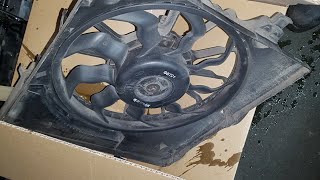
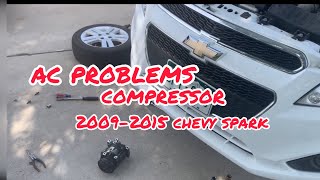
- Unusual Noises: Rattling or clicking sounds when the A/C is on could point to a damaged condenser vibrating against the radiator 🎬 Watch this walkthrough on replacing the condenser and cooling fan. or other nearby parts.
Known Issues, Bulletins, and Owner Complaints

While the condenser itself has not been subject to a formal recall, the A/C system on the 2013-2014 Spark has some known issues.
- Customer Satisfaction Program 13434A: General Motors issued this program for 2013-2014 Spark models where the A/C system performs poorly, cools intermittently, or does not work at all. The issue was often caused by an inaccurate evaporator temperature sensor, which could lead to a dealer replacing the A/C compressor and reprogramming the Body Control Module (BCM) at no charge. This program was in effect until April 30, 2016.
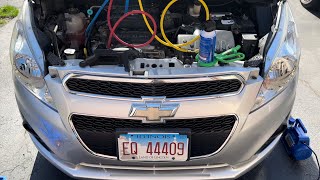
- Technical Service Bulletin (TSB) PIC5715A: 🎬 Watch this diagnostic video on troubleshooting a Spark blowing warm air. This bulletin addresses complaints of the A/C blowing warm air. It advises technicians to check for metal contamination in the A/C system, which would require a full system flush, and to ensure the BCM has the latest software.
- Owner Complaints of Weak Performance: Many Spark owners report that the A/C system feels weak, especially during low-speed city driving or when idling in hot weather. Performance often improves at highway speeds when more air is flowing through the condenser. This is often considered a characteristic of the vehicle's small engine and A/C system.
Compatibility Warning: This A/C condenser fits only the 1.2L gasoline-powered Chevrolet Spark from 2013-2015. It will NOT fit the Spark EV (Electric) model, which uses a different part.
Buying a Used A/C Condenser: What to Check

A used OEM condenser can be a smart, cost-effective choice, but a careful inspection is key. Here’s what to look for before you buy:
- Check for Physical Damage: Closely inspect the entire surface for bent or crushed cooling fins. While a few bent fins are acceptable and can be carefully straightened with a fin comb, large areas of damage will reduce cooling efficiency. Reject any condenser with significant physical damage.
- Look for Leaks: Examine the condenser's surface, especially around the inlet and outlet pipe connections, for any oily or greasy residue. This is a tell-tale sign of a refrigerant leak, and the part should be rejected.
- Inspect for Corrosion: Look for heavy white, powdery corrosion on the aluminum body and fins. Pay special attention to the welds and where the mounting brackets attach. Severe corrosion can weaken the metal and cause future leaks.
- Confirm Ports are Capped: The 2013-2015 Spark condenser has an integrated receiver/drier. This component contains a desiccant material that absorbs moisture. If a used condenser was stored with its inlet and outlet ports open to the air, the desiccant is saturated and useless. A saturated drier will cause the new A/C charge to fail quickly. Only buy a used condenser that has been properly capped or sealed since its removal.
Cost of Replacing the A/C Condenser
The total cost of replacement is a combination of the part itself and the specialized labor required to evacuate and recharge the A/C system. Prices can vary significantly based on your location and the type of part you choose.
| Part or Service | Estimated Cost |
|---|---|
| New OEM Part | $250 - $400+ |
| New Aftermarket Part | $60 - $130 |
| Used OEM Part | $45 - $90 |
| Shop Labor (including system evacuation & recharge) | $375 - $550 |
| Total Estimated Job Cost | $600 - $970+ |
Pro Tip: When replacing the condenser, it is standard practice to also replace the A/C system's O-rings and seals for the connections you open. This is a low-cost measure to prevent leaks.
Frequently Asked Questions (FAQ)
Can I replace just the receiver/drier on my Spark's condenser?
No. On the 2013-2015 Spark, the receiver/drier is built into the condenser as a single assembly and cannot be replaced separately. You must replace the entire condenser unit.
Can I install a used condenser myself?
While the physical unbolting and bolting in of the condenser is straightforward for a DIY mechanic, the A/C system must be professionally evacuated before opening it and then recharged after the new part is installed. This requires expensive, specialized equipment. It is illegal to vent refrigerant into the atmosphere. For this reason, the job is not considered fully DIY-feasible.
Do I need to add oil when installing a new condenser?
Yes. When a condenser is replaced, a specific amount of PAG (Polyalkylene Glycol) oil must be added to the system to compensate for the oil that was removed with the old part. The vehicle's service manual specifies the exact type and amount of oil required. Failure to add the correct amount of oil can lead to A/C compressor failure.
My A/C only works when I'm driving fast. Is that the condenser?
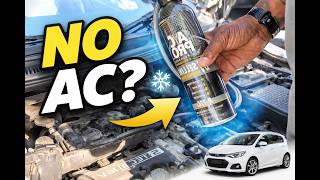
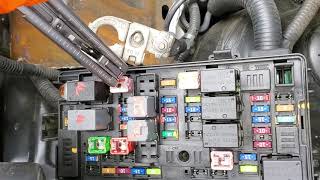
It could be. This symptom often indicates poor airflow across the condenser. At a stop or low speeds, there isn't enough air moving through the fins to cool the refrigerant. This could be caused by a failing condenser cooling fan, 🎬 See how to check your Spark's AC fuses and relays. or the condenser fins themselves could be clogged with debris. When the car moves faster, the natural airflow is enough to make the system work properly.
Helpful Videos
Technical Specifications
OEM Part Numbers: 42366121 94554552 95326121 95395383 95999251 95390580
Material: Aluminum. Includes integrated receiver/drier.
We Have This Part in Stock



The information in this article is provided for general reference and educational purposes only. Vehicle specifications, procedures, and part compatibility can vary by production date, trim level, and region. Always consult your vehicle's factory service manual and verify part numbers before purchasing or performing repairs. Safety-critical components such as airbags, seat belts, and braking systems should be installed by a qualified professional.
- Chevrolet Spark: