

2011-2015 Chevrolet Volt & 2014-2016 Cadillac ELR A/C Condenser: Failures, Leaks, and Replacement
This guide covers the common failures, symptoms, and replacement costs for the A/C condenser used in the 2011-2015 Chevrolet Volt and 2014-2016 Cadillac ELR.
- The A/C condenser is shared between the 2011-2015 Chevrolet Volt and 2014-2016 Cadillac ELR.
- The most common failure symptom is warm air from the vents, often caused by leaks or physical damage from road debris.
- While no specific TSBs for the Volt or ELR condenser were found, similar GM vehicles have had issues with leaking desiccant plugs, which is something to inspect.
- Replacement is a moderately difficult job due to the need to properly evacuate and recharge the A/C system, which requires special equipment.
A/C Condenser for 2011-2015 Chevrolet Volt & 2014-2016 Cadillac ELR
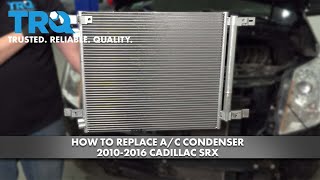
The A/C condenser, GM part number 20842140, is a shared component between the 2011-2015 Chevrolet Volt and the 2014-2016 Cadillac ELR. Positioned at the very front of the vehicle, it is vulnerable to damage from road debris, which is a common cause of failure. Its primary role is to cool the hot, high-pressure refrigerant from the compressor, turning it from a gas back into a liquid before it circulates through the rest of the A/C system.
Symptoms of Failure
When the condenser fails, the entire A/C system is affected. Here are the most common signs of a bad A/C condenser:
- Warm Air from Vents: This is the most immediate and obvious symptom. A damaged or clogged condenser cannot effectively release heat from the refrigerant, leading to a lack of cold air in the cabin.
- Visible Refrigerant Leaks: The condenser can develop leaks from corrosion or physical damage. You might see an oily residue on the condenser's surface, which is the refrigerant oil escaping with the gas. On the Volt and ELR, a low refrigerant charge can trigger a check engine light with code P0534.
- A/C System Inoperative: If a leak is severe enough, the system will lose its refrigerant charge. A pressure switch will prevent the A/C compressor from turning on to protect it from damage, resulting in a non-functional A/C system.
- Engine Overheating at Idle: Though less common, a heavily clogged or blocked condenser can restrict airflow to the engine's radiator located behind it. This can cause the engine to run hotter than normal, especially when the vehicle is stationary.
- Burning Smell: A severe failure where the system can't dissipate heat can cause other components to overheat, potentially creating a burning smell from the vents. If this occurs, shut off the A/C immediately to prevent further damage.
Known Issues, TSBs, and Recalls
While extensive searches did not reveal any recalls or Technical Service Bulletins (TSBs) specifically for A/C condenser failure on the 2011-2015 Chevrolet Volt or 2014-2016 Cadillac ELR, some related information is useful. GM has issued TSBs for other models (like the Equinox and Terrain) for leaks at the receiver/dehydrator plug on the condenser. This involves a small seal that can fail and cause a slow refrigerant leak. While not specific to the Volt or ELR, it's a known issue on other GM condensers of the era and is worth inspecting if a leak is suspected.
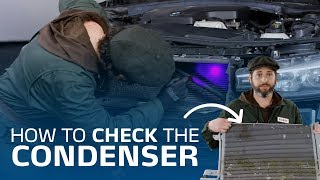
🎬 See this guide on how to check your car's condenser.Pro Tip: The A/C condenser on these vehicles is located in front of the radiator, making it susceptible to damage from rocks and road debris. Some owners install a screen or guard (like the "VoltShield") in the lower grille opening to provide extra protection.
Replacement and Installation
Replacing the A/C condenser is a moderately difficult job that is best left to a professional or an experienced DIY mechanic with the right tools.
- Difficulty: 3 out of 5
- DIY Feasible: No. The primary reason is the need for specialized equipment to safely and legally recover any remaining refrigerant from the system before opening it, and then to properly vacuum and recharge the system after the new part is installed.
- General Steps: The process involves removing the front bumper cover and other trim pieces to access the condenser. The refrigerant lines are disconnected, the old condenser is unbolted and removed, and the new one is installed. The receiver/drier, which is often integrated with or attached to the condenser, should always be replaced at the same time. New O-rings for the line connections should be used and lubricated with the correct A/C oil.
Warning: Never open a pressurized A/C system. Refrigerant is under high pressure and can cause severe injury (frostbite) if it contacts your skin. It is also harmful to the environment. Always have the system professionally evacuated before starting work.
Cost Breakdown
The cost to replace the A/C condenser can vary significantly based on the parts used and local labor rates.
| Part/Service | Estimated Cost |
|---|---|
| New OEM (GM) | $277 - $289 |
| New Aftermarket | $62 - $184 |
| Used OEM | $75 - $150 |
| Shop Labor (including evacuate & recharge) | $586 - $860 |
| Total Professional Replacement | $1,037 - $1,311 (using new OEM part) |
Buying a Used A/C Condenser
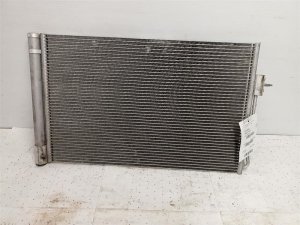
A used OEM condenser can be a cost-effective alternative to a new part, but careful inspection is crucial. Since this part is identical for the Volt and ELR, you can source it from either vehicle within the specified year ranges.
- Check for Physical Damage: Inspect the entire surface for bent or crushed fins. While a few bent fins are acceptable and can be straightened with a fin comb, large areas of damage will reduce performance. Look closely for any signs of cracks or punctures, especially around the welds and fittings.
- Inspect for Corrosion: Look for heavy white oxidation on the aluminum, especially in areas where road salt is common. Severe corrosion can lead to pinhole leaks.
- Check the Fittings: Ensure the threaded fittings for the A/C lines are clean, undamaged, and not cross-threaded. The part should come with caps or plugs installed to keep moisture and debris out of the system.
- Look for Oily Residue: Any oily or grimy buildup on the condenser surface is a major red flag for a past refrigerant leak. A clean, dry condenser is what you want. 🎬 Watch: A mechanic's tips for inspecting a used A/C condenser.
- Why Used OEM is a Good Choice: A used OEM condenser from a low-mileage, front-end collision-free vehicle often provides better fitment and durability than the cheapest aftermarket options. The factory welds and materials are typically of a higher quality.
FAQ
Can I drive my Volt or ELR with a bad A/C condenser?
Yes, it is safe to drive the vehicle. The only consequence will be a non-functioning air conditioner and potentially a less effective windshield defroster, as the A/C system helps dehumidify the air.
Why did my A/C stop working after a minor front-end impact?
The condenser is located at the very front of the car, making it extremely vulnerable to damage from even minor impacts. A small hit can be enough to crack the condenser or one of its connections, causing all the refrigerant to leak out.
Do I need to replace anything else with the condenser?
Yes, you should always replace the receiver/drier (also called a desiccant bag) whenever the A/C system is opened to the atmosphere. The desiccant absorbs moisture, and it becomes saturated once exposed to air. Failing to replace it can lead to corrosion and damage to other A/C components. This condenser includes the drier.
Can I just use an A/C "stop leak" product?
It is not recommended. These products are a temporary fix at best and can cause blockages in other, more expensive parts of the A/C system, like the expansion valve or compressor, leading to much costlier repairs down the road.
Helpful Videos
Technical Specifications
OEM Part Numbers: 20842140
Core Material: Aluminum Core Type: Parallel Flow
We Have This Part in Stock


The information in this article is provided for general reference and educational purposes only. Vehicle specifications, procedures, and part compatibility can vary by production date, trim level, and region. Always consult your vehicle's factory service manual and verify part numbers before purchasing or performing repairs. Safety-critical components such as airbags, seat belts, and braking systems should be installed by a qualified professional.
- Cadillac ELR:
- Chevrolet Volt: