

2017-2025 Audi A/C Condenser Leaks & Failures: A4, A5, A6, Allroad & More
A detailed guide to diagnosing A/C condenser problems, comparing replacement costs, and inspecting a used part for your Audi A4, A5, A6, or Allroad.
- The most common failure is a refrigerant leak, often caused by road debris damaging the condenser at the front of the car.
- Symptoms include warm air from vents, hissing noises, and the A/C system shutting down completely.
- Audi has a TSB (2071619/3) for condenser leaks on these models, noting an improved part is available.
- Before buying, confirm if the A/C failure is the condenser or the evaporator, as evaporator leaks are also common on these cars and are a much more expensive repair.
Symptoms of a Failing A/C Condenser

When an A/C condenser starts to fail on your Audi, the signs are usually related to a loss of cooling performance. Here are the most common symptoms to watch for:
- Warm Air from Vents: This is the most obvious sign. If you turn on your A/C and the air is lukewarm or not as cold as it used to be, the condenser may be to blame. It could be clogged, damaged, or leaking refrigerant.
- Hissing Sounds: A hissing noise, especially when the A/C is first turned on, can indicate a refrigerant leak in the system. While hissing for a few seconds at startup can be normal, a constant hiss suggests a leak, which could be from the condenser.
- Visible Leaks or Damage: The condenser is located at the very front of the car, making it vulnerable to impacts from road debris. A visual inspection may reveal bent or broken cooling fins, or signs of an oily residue. Refrigerant leaks often mix with system oil, attracting dirt and grime, which can pinpoint the leak's location. Some systems use a UV dye that will glow bright green under a blacklight.
- A/C System Shuts Down: Modern vehicle systems have pressure sensors to protect components. If the condenser is severely clogged or leaking, the pressure in the system can become too high or too low. This will cause the vehicle's computer to shut down the A/C compressor to prevent further damage.
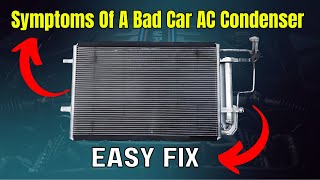
- Engine Overheating at Idle: 🎬 Watch: Common symptoms of a bad A/C condenser While less common, a clogged condenser can restrict airflow to the engine's radiator, which sits behind it. This can cause the engine to run hotter than normal, especially when the vehicle is stationary.
Known Issues, TSBs, and Recalls

While searches did not reveal any specific recalls for the A/C condenser on these models, forum discussions and technical service bulletins (TSBs) point to common A/C system issues in this platform.
- TSB for Condenser Leaks: TSB 2071619/3, issued in August 2023, addresses insufficient cooling due to a refrigerant leak at the condenser. It notes that the condenser's construction has been improved in production and advises technicians on how to diagnose the leak using contrast agent or calibration gas. If the specific leak described in the TSB is found, the recommended fix is to replace the condenser.
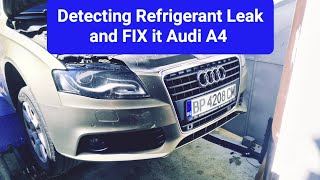
- TSB for Leak Diagnosis: 🎬 Watch: How to detect and fix Audi A/C leaks TSB 2064077 describes a more effective method for leak detection using a calibration gas (a mix of nitrogen and hydrogen), which can be more accurate for hard-to-find leaks than traditional methods. This is often referenced when diagnosing elusive A/C problems.
- Evaporator Core Issues: Many owners of B9 platform vehicles (A4, A5, Allroad) report A/C failures due to leaking evaporator cores, which are located inside the dashboard. Audi has issued a warranty extension for the evaporator on certain models (TSB AWA 21-01 / NHTSA 10187510). It is crucial to correctly diagnose whether the leak is from the condenser (front of car) or the evaporator (inside car), as the repair procedures and costs are vastly different.
Pro Tip: Before assuming the condenser is bad, have the system properly diagnosed. A slow refrigerant leak is the most common issue, and it could be from the condenser, evaporator, compressor, or a connecting line/seal. A professional shop can use a UV light to check for dye or use an electronic leak detector to pinpoint the source.
Buying a Used A/C Condenser: What to Check

A used OEM condenser can be a cost-effective solution, but careful inspection is key. Since leaks are the primary failure mode, you are buying a part whose main risk is being faulty. Here’s what to look for:
- Verify Part Numbers: The most critical step. Audi uses many part numbers that often supersede each other. Cross-reference the numbers provided (8W0816411L, 8W0816411Q, 8W0816421J, etc.) with the part from the donor vehicle. Ensure the part you're buying is listed as compatible with your specific year and model.
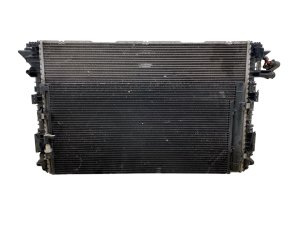
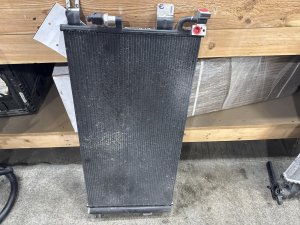
- Physical Inspection: Look for any signs of physical damage. Check for crushed or heavily bent cooling fins, which can restrict airflow. Pay close attention to the inlet and outlet ports and the mounting brackets for any cracks or damage. A part from a front-end collision is a major red flag.
- Check for Oily Residue: Inspect the entire surface, especially around the welds and connections, for a dark, oily film. This is a tell-tale sign of a past refrigerant leak. A clean, dry condenser is a much safer bet.
- Ask About the Donor Vehicle: If possible, get the mileage and history of the vehicle the part came from. A condenser from a low-mileage, non-collision vehicle is ideal.
- Pressure Testing: While not always possible, the best way to verify a used condenser is to have it pressure-tested by an A/C shop. This is the only way to be certain it doesn't have a slow leak.
Warning: The A/C system contains refrigerant under high pressure. It is illegal and harmful to the environment to release it into the atmosphere. This job requires specialized equipment for refrigerant recovery and recharging.
Cost Comparison
Prices can vary significantly based on the source of the part and labor rates in your area. Here is a general cost breakdown:
| Item | Estimated Cost |
|---|---|
| New OEM Condenser | $415 - $600 |
| New Aftermarket Condenser | $150 - $250 |
| Used OEM Condenser | $180 - $250 |
| Shop Labor (Replacement & Recharge) | $300 - $450 |
Replacement Overview

Replacing the A/C condenser on these Audi models is a moderately difficult job that typically requires removing the front bumper cover and sometimes loosening the radiator support to gain access. The system must be professionally evacuated before starting work and vacuumed and recharged after installation.
- Difficulty: 3 out of 5
- Estimated Time: 3-5 hours
- DIY Feasible: For experienced mechanics with access to A/C service equipment. Not recommended for beginners.
Frequently Asked Questions
Can I just recharge my A/C system if it's not blowing cold?
You can, but if the air goes warm again after a few days or weeks, you have a leak that needs to be fixed. Simply adding more refrigerant is a temporary fix and allows harmful refrigerants to continue leaking into the atmosphere. It's more effective to find and fix the leak.
My A/C button won't stay on. 🎬 See this Audi A/C troubleshooting guide Is it the condenser?
It could be. If the system has lost all its refrigerant due to a major leak (from the condenser or elsewhere), the pressure sensors will prevent the compressor from turning on to protect it. This can manifest as an A/C button that won't light up or stay engaged. However, this can also be caused by electrical issues or a faulty control module. A full system scan is needed.
Is a used OEM condenser better than a new aftermarket one?
Often, yes. A used OEM part that is in good condition guarantees perfect fitment and original material quality. Some cheap aftermarket condensers may use lower-grade materials or have slight fitment issues that can cause problems during installation or lead to premature failure.
What is the difference between the condenser and the evaporator?
The condenser is at the front of the car and releases heat from the refrigerant to the outside air. The evaporator is inside the dashboard and absorbs heat from the cabin air, which is what makes the air blowing from your vents cold. A leak in the condenser is repaired from the front of the car; a leak in the evaporator requires removing the entire dashboard.
Helpful Videos
Technical Specifications
OEM Part Numbers: 8W0816411L 8W0816411Q 8W0816411R 8W0816421C 8W0816421H 8W0816421J 8W0816421M 8W0816411AA 8W0816411S 8W0816421S
Material: Aluminum. Configuration: Parallel Flow. Includes integrated receiver/drier.
We Have This Part in Stock





The information in this article is provided for general reference and educational purposes only. Vehicle specifications, procedures, and part compatibility can vary by production date, trim level, and region. Always consult your vehicle's factory service manual and verify part numbers before purchasing or performing repairs. Safety-critical components such as airbags, seat belts, and braking systems should be installed by a qualified professional.
- Audi A6:
- Audi A4:
- Audi A5:
- Audi A6 Allroad:
- Audi Allroad: