

Tesla Model 3 & Y A/C Failure: Diagnosing the Compressor Harness and VCFRONT Errors
This guide covers the common causes of A/C and heating failure in the 2017-2024 Tesla Model 3 and 2020-2024 Tesla Model Y, focusing on the A/C compressor wiring harness.
- This harness fits both the 2017-2024 Model 3 and 2020-2024 Model Y, but other A/C system issues are more common causes of failure.
- Before blaming the harness, investigate TSB SB-21-18-002 for faulty pressure/temperature sensors, a very common issue on 2020-2021 models.
- Replacement is a complex, high-voltage job requiring specialized tools for refrigerant recovery and is not recommended for DIY.
- When buying a used harness, carefully inspect the connectors for any signs of melting, corrosion, or damage.
Symptoms of a Failing A/C Compressor Wiring Harness


A problem with the A/C compressor harness will typically present the same symptoms as a failed compressor, as the compressor is not receiving the power it needs to operate. Watch for these specific signs:
- No Cool Air or No Heat: The most obvious symptom is a complete loss of cabin cooling and, on heat pump-equipped models, heating. The fan may still blow, but the air will be at ambient temperature.
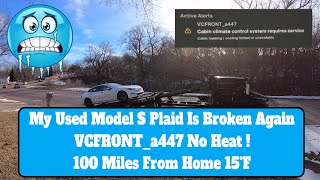
- "Cabin climate control system requires service" Message: This on-screen alert is often accompanied by specific error codes. The most common code pointing to a major A/C system fault is VCFRONT_a447.
- Compressor Fault Codes: In the vehicle's service menu, you may find codes like VCFRONT_a161_compressorSelfFault, which can indicate an internal short circuit or other failure within the compressor, potentially caused by an intermittent connection from a faulty harness.
- General Electrical Faults: Sometimes, a major power draw issue from the A/C system can trigger more general electrical system warnings, such as VCFRONT_a192 ("Electrical system is unable to support all features"). While this code is frequently linked to a failing 12V battery, it can also appear due to faults in high-draw components like the A/C compressor.
- Unusual Noises (Before Total Failure): A clicking, grinding, or high-pitched whining sound from the front of the vehicle when the climate control is activated can be a sign of a failing compressor. If the harness provides intermittent power, it could cause the compressor to start and stop abruptly, creating unusual sounds.
Known Issues, Recalls, and Service Bulletins

Before assuming the harness or compressor is bad, be aware of several widely known issues with the HVAC system in the Tesla Model 3 and Model Y.
TSB SB-21-18-002: Faulty Pressure/Temperature Sensors
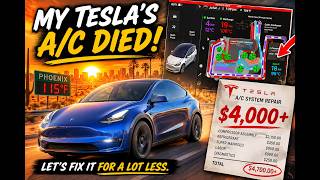
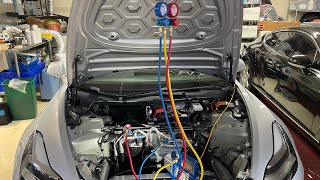
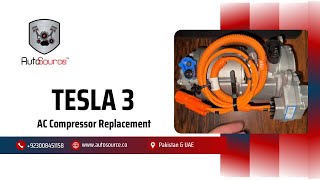
For 2020-2021 Model 3 and Model Y vehicles, a common cause of A/C and heat failure is a set of faulty refrigerant pressure/temperature sensors. When these sensors provide unreliable data, the system shuts down the compressor as a precaution. This is a well-documented issue covered by Tesla Service Bulletin SB-21-18-002. The repair involves replacing the sensors and recharging the system. 🎬 See step-by-step video of a Tesla Model 3 A/C compressor replacement If your car falls in this date range, this is a more likely culprit than the harness itself.
Software-Related Heat Pump Issues
In early 2022, Tesla issued a recall for a software issue on some 2021-2022 vehicles equipped with a heat pump. The problem could cause the electronic expansion valve to open unintentionally in very cold weather, trapping refrigerant and causing the compressor to stop, leading to a loss of heat and defrost capability. This was addressed with an over-the-air software update and should not affect vehicles running recent software versions.
Catastrophic Compressor Failure
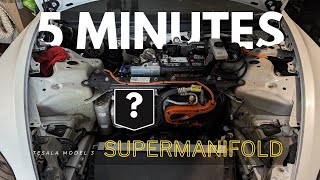
Some owners have experienced a severe mechanical failure where the A/C compressor internally disintegrates, sending metal shavings and debris throughout the entire refrigerant system (hoses, supermanifold, etc.). If this happens, simply replacing the compressor and harness is not enough. The entire system must be professionally flushed to remove all contaminants, a complex and expensive procedure. This is a critical consideration when diagnosing a seized compressor.
Warning: The A/C compressor and its wiring harness are part of the vehicle's high-voltage system. Servicing these components without proper training and equipment can result in severe injury or death. This repair requires disabling the HV system and handling high-voltage connections.
Buying a Used A/C Compressor Wiring Harness
If you've diagnosed a faulty harness, a used OEM part can be a cost-effective solution. The harness itself is a durable component, and a good used one is functionally identical to a new one. Here’s what to check:
- Inspect the Connectors: This is the most critical step. Look closely at both the high-voltage connector and the low-voltage logic connector. There should be no signs of melted plastic, charring, or black marks around the pins. The locking tabs should be intact and functional.
- Check the Wires and Sheathing: Examine the entire length of the orange high-voltage cable. Look for any cuts, abrasions, or areas where the outer sheathing is compromised. The harness should be flexible, not stiff or brittle.
- Verify the Part Number: The primary part number is 1507971. It is followed by several revisions, such as 1507971-00-A, -00-B, -00-C, -00-E, etc. While later revisions may offer improvements, they are generally interchangeable. However, it is always best practice to match your original part number exactly to ensure perfect fitment of all mounting clips and brackets.
- Why Used OEM is a Good Choice: For a wiring harness, OEM quality is paramount. The connectors are designed for a perfect, weather-sealed fit, and the wire gauge and insulation meet Tesla's exact specifications for high-voltage safety and durability. Aftermarket versions, if available, may use inferior connectors or materials that could lead to future failures.
Replacement Overview & Difficulty
Replacing the A/C compressor wiring harness is a complex job best left to experienced technicians, particularly those with high-voltage training.
- Difficulty Rating: 4 out of 5
- Estimated Time: 2-4 hours (includes prerequisite steps)
- DIY Feasible: No (due to HV system and refrigerant handling)
The basic steps, as outlined in Tesla's service documentation, involve:
- Disabling the high-voltage and 12V systems.
- Recovering the A/C system refrigerant using a specialized machine.
- Removing the underhood storage unit (frunk) and various aero shields and panels for access.
- Disconnecting the old harness from the compressor and from its connection point near the firewall.
- Routing the new harness and securing all clips and connectors.
- Re-installing all components, performing a vacuum leak test on the A/C system, and recharging it with the correct amount of refrigerant.
- In some cases, a vehicle software routine must be run to configure or test the system after the repair.
Cost to Replace A/C Compressor Wiring Harness
Costs can vary based on your location and whether other components like the compressor also need replacement.
| Part/Service | Estimated Cost |
|---|---|
| New OEM Harness | $200 - $300 |
| Used OEM Harness | $75 - $150 |
| Shop Labor | $400 - $800 (harness only) |
| Related Repair: Compressor Replacement | $1,500 - $2,500+ (including labor and system recharge) |
Pro Tip: If your A/C system has failed, always request the shop to check for the TSB related to the pressure/temperature sensors first, especially on a 2020-2021 vehicle. This is a much more common and less expensive repair than a full compressor or harness replacement.
Frequently Asked Questions (FAQ)
What does the error code VCFRONT_a447 mean on a Tesla?
The error code VCFRONT_a447, with the message "Cabin climate control system requires service," indicates a significant fault within the HVAC system. It means the front vehicle controller has detected a problem that prevents the A/C and/or heat from functioning correctly. Common causes include a failed compressor, faulty sensors, or a wiring issue.
Can I drive my Tesla with a bad A/C harness?
Yes, but with limitations. The vehicle will remain drivable, but you will not have cabin cooling or heating. More importantly, the A/C system is tied to battery thermal management. In hot weather or during DC fast charging, performance may be limited to prevent the battery from overheating.
Can a bad wiring harness damage the A/C compressor?
It's possible. An intermittent connection from a damaged harness could cause the compressor to cycle on and off rapidly, leading to premature wear. A short in the harness could potentially damage the compressor's internal electronics, though the vehicle's protection systems are designed to prevent this.
Is this repair covered under warranty or a recall?
This specific harness is not part of a recall. However, if your vehicle is still within the Basic Vehicle Limited Warranty period (typically 4 years or 50,000 miles), this repair should be covered. Related issues, like the pressure/temperature sensors on 2020-2021 models or the software-based heat pump issue, were addressed by a service bulletin and a recall, respectively.
Helpful Videos
Technical Specifications
OEM Part Numbers: 1507971 1507971-00-A 1507971-00-B 1507971-00-C 1507971-00-E 1507971-05-D 1507971-98-A
High-voltage wiring harness for electric A/C compressor. Includes main HV connector and low-voltage logic connector.
We Have This Part in Stock


The information in this article is provided for general reference and educational purposes only. Vehicle specifications, procedures, and part compatibility can vary by production date, trim level, and region. Always consult your vehicle's factory service manual and verify part numbers before purchasing or performing repairs. Safety-critical components such as airbags, seat belts, and braking systems should be installed by a qualified professional.
- Tesla Y:
- Tesla 3:
- 🎬 Helpful Videos
- 🛍️ Shop This Part
- Symptoms of a Failing A/C Compressor Wiring Harness
- Known Issues, Recalls, and Service Bulletins
- TSB SB-21-18-002: Faulty Pressure/Temperature Sensors
- Software-Related Heat Pump Issues
- Catastrophic Compressor Failure
- Buying a Used A/C Compressor Wiring Harness
- Replacement Overview & Difficulty
- Cost to Replace A/C Compressor Wiring Harness
- Frequently Asked Questions (FAQ)
- 🎟️ Get 5% Off