

Tesla Model S, X, 3 & Y Heat Pump A/C Compressor Failure (2020-2025)
This guide covers the common failure symptoms, recalls, and replacement costs for the electric A/C compressor found in Tesla models equipped with a heat pump.
- This electric A/C compressor is a critical part of the heat pump system, affecting cooling, heating, and battery thermal management.
- A high-pitched squeal in cold weather is a severe warning sign of impending mechanical failure and should be addressed immediately to prevent system-wide contamination.
- A known software issue covered by a recall (SB-22-18-002) can cause a loss of heat in the cold; ensure your vehicle's firmware is up to date.
- Replacement is a complex, high-voltage procedure for professionals only. If buying a used compressor, a full system flush and desiccant replacement are mandatory for reliability.
Function and Technology

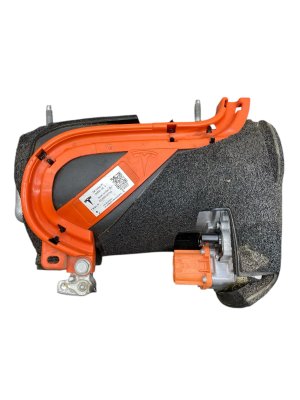
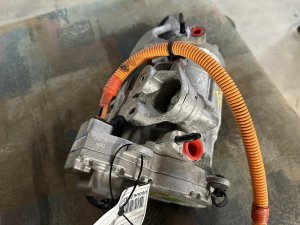
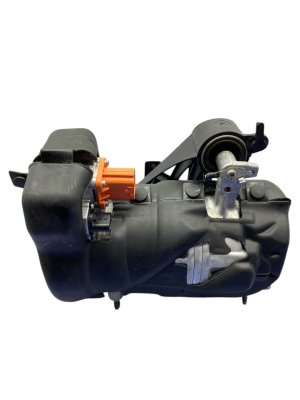
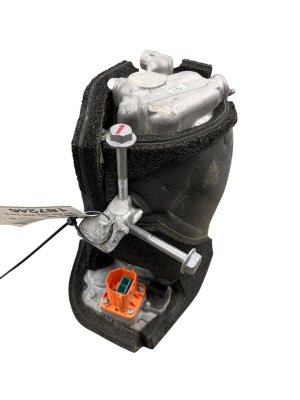
The A/C compressor, part number 1501256-01-M, is a core component of the heat pump system introduced in the Model Y and subsequently added to the Model 3, Model S, and Model X around the 2021 model year. This system is a significant departure from the earlier resistive heaters, designed to be more energy-efficient for heating the cabin in cold weather, thereby preserving driving range. The compressor circulates refrigerant through a complex network of valves and heat exchangers, including the 'Octovalve' and 'Supermanifold', to move heat into or out of the cabin and battery pack as needed. This integration means a compressor failure can affect cabin cooling, heating, and even battery performance.
Symptoms of a Failing A/C Compressor


Failure of the A/C compressor in these Tesla models can manifest in several ways, often starting with unusual noises or a decline in climate control performance.
1. No Cabin Cooling or Heating
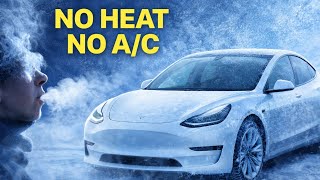
The most obvious symptom is a complete loss of air conditioning or heating. The blower fan may still operate, but the air coming from the vents will be at ambient temperature. 🎬 Watch: Troubleshooting a Tesla HVAC system with no heat or A/C In cold conditions, this can also lead to an inability to defrost the windshield, which is a significant safety concern.
2. Loud Squealing or Grinding Noises
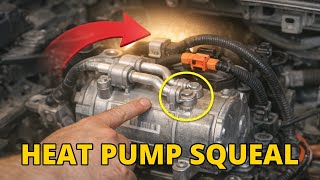
A high-pitched squeal or a metallic grinding sound coming from the front of the vehicle, especially during preconditioning in cold weather 🎬 Watch: Hear what a failing heat pump compressor sounds like, is a critical warning sign. This noise often indicates a lack of lubrication inside 🎬 See how to address compressor noise and lubrication issues the compressor, causing metal-on-metal contact between internal components like bearings. Ignoring this sound can lead to catastrophic failure, where metal shavings contaminate the entire refrigerant system.
3. On-Screen Error Messages
The vehicle's diagnostic system will often display an alert on the touchscreen, such as “Cabin climate control system requires service” or “Climate system requires service.” These messages may be accompanied by specific fault codes, like VCFRONT_a447, which often points directly to a compressor or heat pump issue.
4. Reduced Driving Range in Cold Weather
A failing heat pump system may revert to a less efficient resistive heating method, causing a noticeable drop in the vehicle's driving range during cold weather. This is because the resistive heater draws significantly more power from the high-voltage battery.
Known Issues, Recalls, and Service Bulletins

The heat pump system in these Tesla models has been the subject of several complaints and service actions, particularly related to performance in cold climates.
NHTSA Recall 22V-063 (Tesla SB-22-18-002)
In February 2022, Tesla issued a recall for over 26,000 vehicles, including the 2020-2022 Model Y and 2021-2022 Model 3, S, and X, due to a software issue. The problem involved the Electronic Expansion Valve (EXV) not closing properly, which could trap refrigerant and cause the compressor to stop working, leading to a loss of cabin heat and defrosting capability in temperatures below -10°C (14°F). The fix was a free over-the-air (OTA) software update to version 2021.44.30.7 or later.
Service Bulletin for Pressure/Temperature Sensors
Tesla also released a service bulletin (SB-21-18-002) to address faulty refrigerant pressure/temperature (P/T) sensors in some Model 3 and Model Y vehicles. These failing sensors could provide incorrect data, causing the system to shut down heating and cooling as a protective measure. The repair involves replacing all three P/T sensors.
Cold Weather Performance Issues
Numerous owners, particularly in Canada and other cold regions, have reported heat pump failures in extremely cold temperatures (below -15°C or 5°F). While software updates were released to mitigate these issues, some vehicles still required hardware replacement, including the entire compressor or heat pump assembly.
Pro Tip: If you experience a sudden loss of heat in extreme cold, preconditioning the vehicle for 30-60 minutes before driving and using the 'recirculating air' and 'auto' modes may help prevent the issue until a permanent fix can be performed.
Buying a Used A/C Compressor
Given the high cost of a new compressor from Tesla, a used OEM unit can be a cost-effective solution. However, it's crucial to inspect the part carefully.
1. Verify the Part Number
Ensure the part number is exactly 1501256-01-M or a compatible supersede. While other numbers may look similar, slight variations can exist. Always confirm compatibility with the seller based on your vehicle's VIN.
2. Inspect for Physical Damage
Check the compressor housing for any cracks, deep gouges, or signs of impact. Inspect the electrical connectors to ensure they are not broken, bent, or corroded. The high-voltage connector, in particular, must be in perfect condition.
3. Check the Pulleys and Ports
Although this is an electric compressor without a traditional clutch or pulley, ensure the mounting points are intact. The refrigerant ports should be clean and capped to prevent moisture and debris from entering the unit. Contamination is a leading cause of premature failure in A/C systems.
4. Inquire About the Donor Vehicle
Ask the seller for the mileage and year of the vehicle the compressor was removed from. A lower-mileage part is always preferable. It's also important to know if the donor vehicle had a front-end collision, which could have damaged the compressor or related components.
5. Warranty and System Flushing
Purchase from a reputable seller that offers a warranty. When a compressor fails catastrophically, it can send metal shavings throughout the A/C system. Therefore, installing a used compressor requires a full system flush and replacement of the desiccant bag to be eligible for any warranty coverage. Failure to do so will likely cause the replacement compressor to fail quickly.
Cost Comparison
The cost to replace a Tesla A/C compressor can vary significantly depending on the source of the part and labor rates.
| Item | Estimated Cost | Notes |
|---|---|---|
| New OEM (Tesla Service) | $1,000 - $1,300 (Part Only) | Prices can be high, and may be part of a larger assembly repair. |
| Used OEM | $295 - $450 | A significant savings over new, widely available from recyclers. |
| Shop Labor | $800 - $2,400 | Labor is intensive and requires specialized procedures for high-voltage systems and A/C refrigerant handling. Total repair bills often range from $1,900 to over $4,000. |
Installation and Replacement

Replacing the A/C compressor on these Tesla models is a complex job that should not be attempted by most DIY mechanics.
- Difficulty Rating: 5/5 (Professional Recommended)
- Specialized Procedures: The process requires safely disabling the high-voltage system, recovering R-1234yf refrigerant with specialized equipment, and removing numerous components for access, such as the underhood storage unit ('frunk') and HEPA filter assembly.
- System Flush: After a compressor failure, a full system flush is mandatory to remove contaminants.
- Software/Calibration: After installation, a system reset or calibration using Tesla's Toolbox software may be required to clear fault codes and ensure proper operation.
Warning: This procedure involves handling high-voltage components and high-pressure refrigerant lines. Improper handling can result in serious injury or death. This repair should only be performed by trained and certified technicians.
Frequently Asked Questions
Can I still drive my Tesla if the A/C compressor has failed?
Yes, but with significant limitations. You will not have cabin cooling or heating/defrosting, which can be a safety issue in cold or humid weather due to poor visibility. Additionally, since the system is tied to battery thermal management, prolonged driving in extreme temperatures is not recommended as it could affect battery performance and health.
Is the A/C compressor failure covered under warranty?
Compressor failures are typically covered under Tesla's Basic Vehicle Limited Warranty. However, if the vehicle is out of warranty, the repair can be very expensive. Some owners have reported repeat failures even after a warranty replacement.
Does using Cabin Overheat Protection cause the compressor to wear out faster?
Some in the Tesla community believe that frequent use of Cabin Overheat Protection, which runs the A/C compressor for extended periods while parked, can lead to premature wear. While not officially confirmed by Tesla, minimizing its use in hot climates may prolong the life of the compressor.
Why is the repair so expensive if the used part is relatively cheap?
The high cost comes from the extensive labor involved. Technicians must disable the high-voltage system, recover refrigerant, remove many components for access, flush the entire system to remove contaminants, replace the desiccant, and then perform a vacuum and recharge. In some cases, if the compressor has sent debris through the system, other expensive components like the 'supermanifold' may also need replacement.
Helpful Videos

Technical Specifications
OEM Part Numbers: 1501256-01-M 150125601M 1501256-00-M
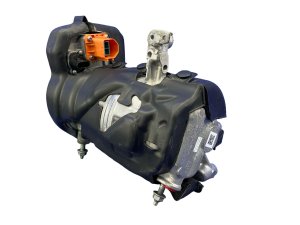
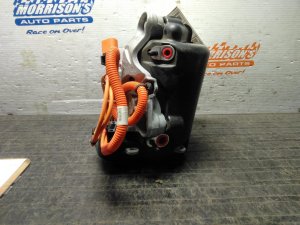
Electric compressor for heat pump thermal management system. Uses R-1234yf refrigerant and specialized PAG oil.
We Have This Part in Stock

The information in this article is provided for general reference and educational purposes only. Vehicle specifications, procedures, and part compatibility can vary by production date, trim level, and region. Always consult your vehicle's factory service manual and verify part numbers before purchasing or performing repairs. Safety-critical components such as airbags, seat belts, and braking systems should be installed by a qualified professional.
- Tesla Model S:
- Tesla Model X:
- Tesla Model 3:
- Tesla Model Y:
- 🎬 Helpful Videos
- 🛍️ Shop This Part
- Function and Technology
- Symptoms of a Failing A/C Compressor
- 1. No Cabin Cooling or Heating
- 2. Loud Squealing or Grinding Noises
- 3. On-Screen Error Messages
- 4. Reduced Driving Range in Cold Weather
- Known Issues, Recalls, and Service Bulletins
- NHTSA Recall 22V-063 (Tesla SB-22-18-002)
- Service Bulletin for Pressure/Temperature Sensors
- Cold Weather Performance Issues
- Buying a Used A/C Compressor
- 1. Verify the Part Number
- 2. Inspect for Physical Damage
- 3. Check the Pulleys and Ports
- 4. Inquire About the Donor Vehicle
- 5. Warranty and System Flushing
- Cost Comparison
- Installation and Replacement
- Frequently Asked Questions
- 🎟️ Get 5% Off