

Tesla Model 3, Y, S & X Heat Pump A/C Compressor Guide (2017-2026)
Understanding the common failures, replacement costs, and critical warnings for the electric A/C compressor in Tesla's heat pump system.
- This compressor is for heat pump models ONLY (All Model Y, 2021+ Model 3/S/X). It is not compatible with older Model 3s that have a PTC heater.
- A high-pitched squeal in cold weather is a critical symptom of mechanical failure; ignoring it can lead to costly system-wide contamination with metal shavings.
- Replacement is a high-voltage procedure for professionals only and requires special tools, refrigerant handling certification, and a software configuration step after installation.
- When replacing the compressor, it is mandatory to also replace the A/C desiccant bag to prevent moisture damage to the new part.
Distinguishing Heat Pump vs. Non-Heat Pump Models

It is critical to understand which climate system your Tesla has before diagnosing issues or ordering parts. This guide specifically covers the electric A/C compressor for vehicles equipped with a heat pump.
- Heat Pump Vehicles (This Guide Applies): Generally includes all Tesla Model Y, 2021 and newer Model 3, 2021 and newer Model S, and 2021 and newer Model X. These systems use this compressor for both heating and cooling.
- Non-Heat Pump Vehicles (Older System): Early Tesla Model 3 vehicles (approximately 2017-2020) use a different A/C compressor (part numbers often starting with 1088198) combined with a resistive PTC (Positive Temperature Coefficient) heater. While some symptoms may be similar, the compressor and system architecture are different.
Warning: The A/C compressor for heat pump systems is NOT interchangeable with the compressor from earlier, non-heat pump vehicles. Always verify your vehicle's build date and system type before purchasing a replacement part.
Symptoms of a Failing A/C Compressor

A failing A/C compressor in a heat pump-equipped Tesla can present a range of symptoms, from simple discomfort to critical system warnings. Because this part is used for heating, cooling, and battery management, a failure can have wide-ranging effects.
1. No or Weak Cabin Cooling/Heating
The most obvious symptom is a lack of cold air when the A/C is on or a lack of warm air when the heat is on. You may notice that the fans blow, but the air coming from the vents is at ambient temperature. In some cases, the system may work intermittently before failing completely. This can also lead to poor windshield defrosting performance, which is a safety concern.
2. Loud or Unusual Noises
A distinct, high-pitched squeal or a metallic grinding sound from the front of the vehicle is a severe warning sign. This noise is often most noticeable during preconditioning in cold weather when the heat pump is working hard. It typically indicates a lack of lubrication or internal mechanical failure of the compressor bearings. Ignoring this sound can lead to catastrophic failure, spreading metal shavings throughout the entire refrigerant system. Other reported noises include loud buzzing, vibrations felt in the cabin, or banging sounds upon system startup.
3. On-Screen Error Messages
The vehicle will often display an alert on the touchscreen when a problem is detected. Common messages include "Cabin climate control system requires service" or specific fault codes like VCFRONT_a447, which is frequently tied to compressor failure. These codes are crucial for diagnosis.
Known Issues, Recalls, and Service Bulletins

NHTSA Recall 22V-063 (Tesla SB-22-18-002)
In February 2022, Tesla recalled over 26,000 Model 3, Y, S, and X vehicles from 2020-2022. The issue was a software problem where the Electronic Expansion Valve (EXV) could fail to close properly, trapping refrigerant and causing the compressor to stop. This would lead to a loss of cabin heat in cold weather. The fix was an over-the-air (OTA) software update (version 2021.44.30.7 or later), which was provided free of charge. While this was a software issue, it highlights the complexity of the system and how software can impact hardware function.
Service Bulletin SB-21-18-002: Faulty P/T Sensors
A widely reported issue, documented in Tesla Service Bulletin SB-21-18-002, involves faulty refrigerant pressure/temperature (P/T) sensors. 🎬 Watch: Troubleshooting Tesla HVAC systems that stop heating or cooling These sensors can fail over time and provide incorrect data to the vehicle's computer. As a protective measure, the system may shut down the compressor, leading to a loss of both heating and cooling. The official repair is to replace all three P/T sensors, evacuate and recharge the system. This issue can sometimes be misdiagnosed as a failed compressor, so it's important to check the sensors first.
Buying a Used A/C Compressor: What to Check

Given the high cost of a new OEM compressor, a used unit from a reputable recycler is a viable option. However, this is a sensitive electronic and mechanical component, so careful inspection and verification are key.
- Verify Part Numbers: This is the most critical step. The primary part number for the heat pump compressor is 1501256, followed by various revisions (e.g., 1501256-00-M, 1501256-01-K). Do NOT use a compressor with a 1088198 number on a heat pump vehicle. Always match the part number from your original compressor or confirm compatibility with the donor vehicle's VIN.
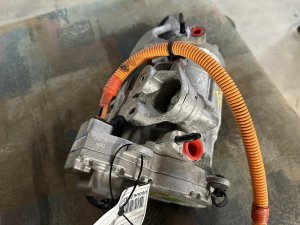
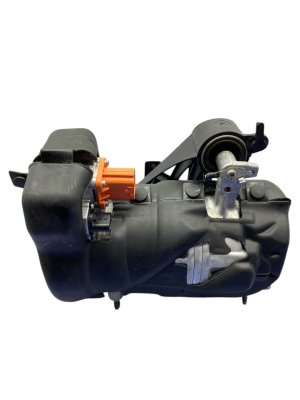
- Inspect for Physical Damage: Carefully examine the compressor's aluminum housing for cracks, deep gouges, or signs of impact. Check the mounting points to ensure they are intact.
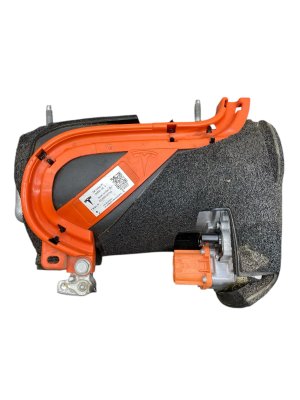
- Check the Electrical Connectors: Inspect the high-voltage (HV) orange connector and the low-voltage logic connector. Look for any signs of corrosion, bent pins, or melting, which would indicate an electrical fault and make the part unusable.
- Inquire About the Donor Vehicle: Ask the seller for the VIN and mileage of the vehicle the part came from. A lower-mileage part is always preferable. Crucially, avoid parts from vehicles with major front-end collisions or flood damage, as these can cause hidden damage to the compressor.
- Why Used OEM is a Good Choice: For a complex, software-integrated part like this, a used Original Equipment Manufacturer (OEM) compressor is often a safer bet than a new, unproven aftermarket unit. Used OEM parts are designed to communicate perfectly with the vehicle's software, reducing the risk of compatibility issues that can arise with third-party components.
Replacement and Installation
High-Voltage System: This is not a DIY-friendly repair for most people. The A/C compressor is part of the high-voltage (HV) system. Improper handling can result in severe injury or death. The HV system must be properly disabled before any work begins.
Replacement is a complex job rated 5 out of 5 for difficulty. 🎬 See this step-by-step compressor and heat pump replacement walkthrough It requires specialized equipment and knowledge.
The general steps include:
- Performing the vehicle high-voltage disablement procedure.
- Using a certified A/C machine to safely recover the refrigerant (either R134a or R1234yf, depending on the vehicle).
- Disconnecting the HV and low-voltage electrical connectors and refrigerant lines.
- Unbolting and removing the compressor, which is located low in the front of the vehicle.
- Installing the new compressor.
- Crucial: Replacing the A/C desiccant bag is mandatory whenever the system is opened to prevent moisture contamination.
- If the old compressor failed mechanically (made grinding noises), the entire system must be flushed to remove metal debris before installing the new part.
- Performing a vacuum leak test, then recharging the system with the correct type and amount of refrigerant and oil.
- Software Configuration: After installation, the vehicle's firmware may need to be reinstalled or updated. A service routine must be run via the touchscreen's Service Mode to configure the new compressor.
Cost Comparison
| Part Type | Estimated Cost |
|---|---|
| New OEM (from Tesla) | $1,000 - $1,500+ |
| New Aftermarket | $400 - $700 |
| Used OEM (Recycled) | $250 - $450 |
| Shop Labor Cost | $800 - $2,400 |
Note: Prices are estimates and can vary based on location, vehicle condition, and the specific repairs needed (e.g., system flush). Some owner-reported repair bills have exceeded $3,400.
Frequently Asked Questions (FAQ)
Can I drive my Tesla with a bad A/C compressor?
Yes, but it is not recommended for long. While the vehicle will still drive, you will have no cabin heating or cooling. More importantly, you will lose windshield defrosting capability, which is a safety hazard in humid or cold conditions. Since the compressor is also tied to battery thermal management, driving in extreme hot or cold temperatures could potentially limit performance or cause other system faults.
Do I need to replace anything else with the compressor?
Yes. At a minimum, you MUST replace the A/C system's desiccant bag anytime the refrigerant lines are opened. This small part absorbs moisture from the system, and a saturated bag will lead to corrosion and premature failure of the new compressor. If the old compressor failed with grinding noises, a full system flush is also required to remove metal contaminants.
What refrigerant does my Tesla use? R134a or R1234yf?
It depends on the year and sales region. Newer vehicles are more likely to use the more environmentally friendly R1234yf, while slightly older models may use R134a. There should be a sticker in the frunk area specifying the refrigerant type and charge amount. It is critical to use the correct refrigerant and corresponding oil (POE ND-11 is commonly specified). Do not mix types.
Will I need a software update after replacing the compressor?
Yes, it is very likely. Tesla's service procedures require technicians to run a "Configure Compressor" routine through the vehicle's Service Mode after replacement. This tells the car it has a new part and ensures it operates correctly. The vehicle may also require a firmware update to the latest version.
Helpful Videos
Technical Specifications
OEM Part Numbers: 1088198-00-J 1088198-00-L 1088198-00-M 1088198-00-N 1088198-00-P 1501256 1501256-00-F 1501256-00-G 1501256-00-I 1501256-00-J 1501256-00-K 1501256-00-L 1501256-00-M 1501256-00-N 1501256-01-K 1501256-98-M
Refrigerant Type: R134a or R1234yf (varies by year/region). Refrigerant Oil: POE ND-11 or equivalent. Power: High-Voltage DC.
We Have This Part in Stock
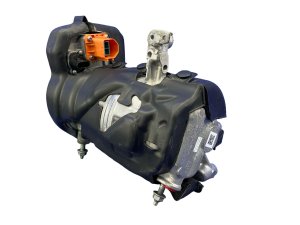
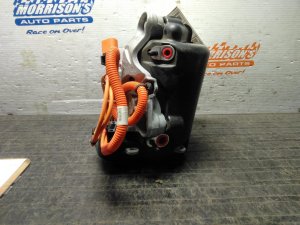


The information in this article is provided for general reference and educational purposes only. Vehicle specifications, procedures, and part compatibility can vary by production date, trim level, and region. Always consult your vehicle's factory service manual and verify part numbers before purchasing or performing repairs. Safety-critical components such as airbags, seat belts, and braking systems should be installed by a qualified professional.
- TESLA 3:
- Tesla Y:
- Tesla S:
- TESLA X:
- 🎬 Helpful Videos
- 🛍️ Shop This Part
- Distinguishing Heat Pump vs. Non-Heat Pump Models
- Symptoms of a Failing A/C Compressor
- 1. No or Weak Cabin Cooling/Heating
- 2. Loud or Unusual Noises
- 3. On-Screen Error Messages
- Known Issues, Recalls, and Service Bulletins
- NHTSA Recall 22V-063 (Tesla SB-22-18-002)
- Service Bulletin SB-21-18-002: Faulty P/T Sensors
- Buying a Used A/C Compressor: What to Check
- Replacement and Installation
- Cost Comparison
- Frequently Asked Questions (FAQ)
- 🎟️ Get 5% Off