

Subaru A/C Compressor Failure (2014-2019 Impreza, Forester, Crosstrek): Clutch Problems and Replacement Guide
This guide covers the common A/C compressor clutch failures, symptoms, and replacement costs for the 2014-2019 Subaru Impreza, 2014-2018 Forester, and 2014-2017 Crosstrek/XV Crosstrek.
- The most common failure is the electromagnetic clutch, often due to faulty internal windings as noted in Subaru TSB 10-84-16R.
- Intermittent cooling that gets worse as the engine heats up is a classic sign of an excessive clutch air gap on these models.
- If the compressor bearing seizes, it can destroy the serpentine belt, disabling the alternator and water pump, making the car undrivable.
- When replacing the compressor, it is critical to also replace the receiver/drier and use new, lubricated O-rings to prevent future leaks.
Symptoms of a Failing A/C Compressor

A failing A/C compressor on your Subaru Impreza, Forester, or Crosstrek will usually provide several warning signs. The most common point of failure on these models is the electromagnetic clutch, which can produce its own unique symptoms.
- No Cold Air: The most obvious symptom is a lack of cold air from the vents. If the compressor isn't engaging or has failed internally, it cannot pressurize the refrigerant.
- Loud Noises: Grinding, squealing, or rattling sounds from the engine bay when the A/C is turned on often point to a failing compressor. A worn or seized bearing will produce a high-pitched grinding or squeal, while internal failure can cause rattling.
- Compressor Clutch Not Engaging: You should hear a distinct 'click' when you turn on the A/C, which is the sound of the clutch engaging. If you don't hear this click and the center plate of the pulley isn't spinning with the outer pulley, the clutch has likely failed. This was a common enough issue for Subaru to issue a technical service bulletin.
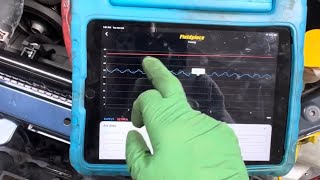
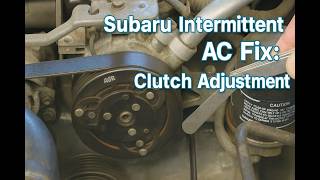
- A/C Works Intermittently: A common issue on these models is that the A/C works when the engine is cold but stops blowing cold air when the engine gets hot, especially at idle or in traffic. This is often caused by the air gap in the clutch becoming too large. When the clutch coil heats up, its magnetic field weakens and can no longer pull the clutch plate across the excessive gap.
- Visible Damage or Leaks: Oily residue on the body of the compressor can indicate a refrigerant leak from the compressor's seals or housing.
Known Issues, TSBs, and Recalls

There are no open safety recalls for this A/C compressor, but Subaru has issued several Technical Service Bulletins (TSBs) related to A/C performance on these vehicles. TSBs are instructions for dealers on how to diagnose and repair known common issues.
TSB 10-84-16R: A/C Compressor Clutch Failure
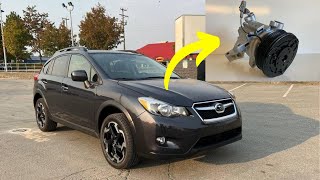
This is the most significant TSB for these vehicles. It addresses a condition where the A/C system becomes inoperative due to a failure in the electrical windings inside the compressor clutch assembly. The solution is to replace the entire A/C compressor and clutch assembly with an updated part. This TSB applies to certain 2014-2016 Impreza, Forester, and XV Crosstrek models. While this was covered under the original factory warranty, it is not a recall, and repairs after the warranty period are typically the owner's responsibility. 🎬 Watch: Details on Subaru's A/C compressor TSB and coverage. However, some owners have reported receiving goodwill assistance from Subaru even after the warranty expired.
Pro Tip: A common symptom related to TSB 10-84-16R is an A/C that works fine when the car is first started but stops cooling after driving for a while, especially in hot weather. This happens because as the clutch coil heats up, its magnetic field weakens and can no longer engage the clutch.
🎬 See how to fix A/C that stops working when hot.Buying a Used A/C Compressor: What to Check

A quality used OEM compressor can be a reliable and cost-effective alternative to an expensive new unit, especially when compared to cheap aftermarket options which may have fitment or durability issues. Here’s what to inspect before you buy.
- Verify the Part Number and Model: This is the most critical step. These Subarus use a Valeo TSE14F compressor for the 2.0L engine. Ensure the part numbers (e.g., 73111FJ000, 73111FJ040, 73111FJ041, 73111FJ042) match. Do not confuse it with the SCSA08H model used on other Subarus, as they are not interchangeable.
- Inspect the Clutch and Pulley: The pulley should spin freely and smoothly by hand with no grinding or wobble. The clutch plate (the very front piece) should be clean and free of heat damage or cracks.
- Check for Leaks: Look for any oily, grimy residue around the hose connections or on the body of the compressor. This indicates a refrigerant leak, and the part should be rejected.
- Examine the Electrical Connector: The connector pins should be straight and free of corrosion. A damaged connector can prevent the clutch from engaging.
- Confirm It Came From a Running Vehicle: If possible, choose a part from a vehicle that was in a collision but had a running engine. This increases the likelihood that the A/C system was functional before the accident. Avoid compressors from flood-damaged or fire-damaged vehicles.
Replacement Overview & Difficulty
Replacing the A/C compressor is a moderately difficult job that requires specialized equipment for handling refrigerant.
- Difficulty Rating: 3 out of 5
- Estimated Time: 1.5 - 2.5 hours
- DIY Feasible: Yes, but with a major caveat.
Warning: It is illegal to release R-134a refrigerant into the atmosphere. The system must be evacuated by a licensed shop with a refrigerant recovery machine before you begin work, and then properly vacuumed and recharged after 🎬 Watch this step-by-step guide to replacing the compressor yourself. the new compressor is installed.
General Replacement Steps:
- Refrigerant Recovery: Have a professional shop evacuate the A/C system.
- Remove Serpentine Belt: Use a wrench to release tension on the belt tensioner and slip the belt off the A/C compressor pulley.
- Disconnect Hoses and Connector: Unbolt the two refrigerant lines from the top of the compressor. Be sure to have new O-rings for reinstallation. Unplug the electrical connector for the clutch.
- Unbolt the Compressor: Remove the mounting bolts that secure the compressor to the engine block.
- Install New Compressor: Bolt the new compressor in place. Add the specified amount of PAG 46 oil if the new compressor is empty. Install new, lubricated O-rings on the refrigerant lines and bolt them down.
- Reinstall Belt: Route the serpentine belt back over the pulleys.
- Vacuum and Recharge: Take the vehicle back to a shop to have the system vacuum-tested for leaks and then recharged with the correct weight of R-134a refrigerant.
Pro Tip: It is highly recommended to replace the A/C receiver/drier (also called an accumulator) any time the system is opened for a major repair like a compressor replacement. The drier contains desiccant that absorbs moisture, and it can become saturated once exposed to the atmosphere, leading to future system problems.
Cost Comparison
The cost to replace an A/C compressor can vary significantly based on the parts used and labor rates.
| Part Type | Estimated Cost |
|---|---|
| New OEM (Subaru Dealer) | $820 - $1240 |
| New Aftermarket | $130 - $350 |
| Used OEM | $150 - $250 |
| Shop Labor (including evacuation & recharge) | $570 - $620 |
| Total Professional Replacement (New OEM) | $1390 - $1860+ |
| Total Professional Replacement (Used OEM) | $720 - $870+ |
Frequently Asked Questions (FAQ)
Can I just replace the A/C compressor clutch?
While clutch kits are available, replacing the entire compressor assembly is often recommended. The labor involved is very similar, and if the compressor shaft seal is worn, it will leak after the new clutch is installed. Given the known issues with the clutch windings on these models, an updated compressor assembly is the most reliable long-term repair.
Do I need to flush the A/C system when I replace the compressor?
If the old compressor failed internally and sent metal debris through the system (a 'black death' failure), then a full system flush is absolutely necessary to avoid destroying the new compressor. However, if the failure was purely an electrical clutch issue, a flush may not be required. When in doubt, flushing is the safest option.
How much refrigerant and oil does my Subaru need?
Refrigerant capacity is typically found on a sticker under the hood. For these models, it is generally around 500g (1.1 lbs) of R-134a refrigerant. The system uses PAG 46 viscosity oil. The total oil capacity is not always published, so the standard procedure is to drain the oil from the old compressor, measure it, and add the same amount of new PAG oil to the replacement compressor.
Can I drive my car with a bad A/C compressor?
It depends on the failure. If the clutch simply won't engage, you can drive the car indefinitely without A/C. However, if the compressor's internal bearing has seized, the pulley will not turn, which can shred the serpentine belt. Since this belt also drives the alternator and water pump, a belt failure will cause the engine to stop running and potentially overheat. If you hear a loud grinding or the belt is squealing, it is not safe to drive until the compressor is bypassed or replaced.
Helpful Videos
Technical Specifications
OEM Part Numbers: 73111FJ000 73111FJ040 73111FJ041 73111FJ042 73111FL11A TSE14F Z0021226A
Compressor Model: Valeo TSE14F Refrigerant Type: R-134a Refrigerant Capacity: ~500g (1.1 lbs) Oil Type: PAG 46
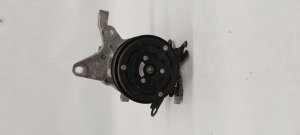
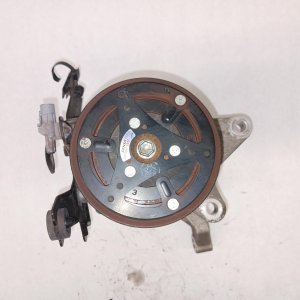
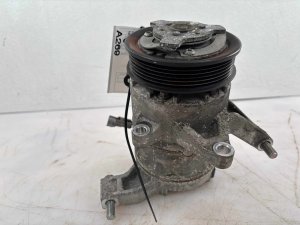
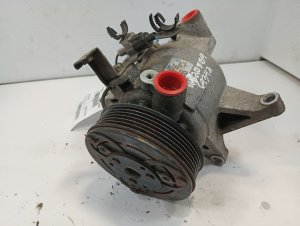
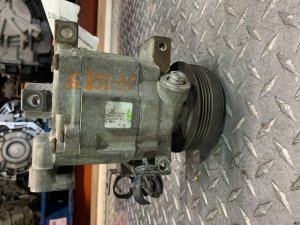
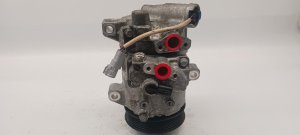
We Have This Part in Stock

The information in this article is provided for general reference and educational purposes only. Vehicle specifications, procedures, and part compatibility can vary by production date, trim level, and region. Always consult your vehicle's factory service manual and verify part numbers before purchasing or performing repairs. Safety-critical components such as airbags, seat belts, and braking systems should be installed by a qualified professional.
- Subaru Impreza:
- Subaru Crosstrek:
- Subaru Forester:
- Subaru XV Crosstrek:
- 🎬 Helpful Videos
- 🛍️ Shop This Part
- Symptoms of a Failing A/C Compressor
- Known Issues, TSBs, and Recalls
- TSB 10-84-16R: A/C Compressor Clutch Failure
- Buying a Used A/C Compressor: What to Check
- Replacement Overview & Difficulty
- General Replacement Steps:
- Cost Comparison
- Frequently Asked Questions (FAQ)
- 🎟️ Get 5% Off