

2003-2005 Subaru Forester A/C Compressor: Clutch Failures, Diagnosis, and Replacement
A complete guide to diagnosing the common A/C compressor clutch issues in your 2003-2005 Forester and what to do when it's time for a replacement.
- This compressor fits ONLY the 2003-2005 Subaru Forester with the 2.5L non-turbo engine.
- Intermittent A/C that fails when hot is a classic sign of a worn clutch with an excessive air gap, which may not require full compressor replacement.
- If replacing the compressor for any reason, you MUST also replace the receiver/drier to prevent moisture damage.
- When buying a used compressor, check the ports for black, gritty residue ("Black Death"). If you see any, do not buy the part.
- The A/C system has its own drive belt, so a seized compressor will not leave you stranded.
Vehicle Fitment and Key Part Numbers

This guide specifically covers the A/C compressor for the 2003, 2004, and 2005 Subaru Forester models equipped with the 2.5L SOHC non-turbo engine. The compressor from the turbo (XT) model is different and not interchangeable. Always confirm your vehicle's engine before purchasing.
| Attribute | Specification |
|---|---|
| Vehicle Years | 2003, 2004, 2005 |
| Vehicle Model | Subaru Forester (SG Chassis) |
| Engine | 2.5L SOHC Non-Turbo (EJ25) |
| OEM Part Numbers | 73111SA000, 73111SA001 (replaces 73111SA000) |
| Compressor Type | DKV-14G |
| Refrigerant | R134a |
| Refrigerant Oil | PAG 46 |
Symptoms of a Failing A/C Compressor

When the A/C compressor in your Forester begins to fail, it will usually provide several warning signs. While a complete internal failure is possible, issues with the clutch are more common.
- Warm Air From Vents: This is the most obvious symptom. If the compressor isn't engaging or pressurizing the refrigerant, the air will not be cooled.
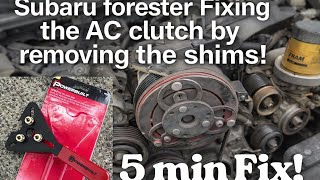
- Intermittent Cooling: The A/C may blow cold initially but then turn warm, especially on hot days or when idling in traffic. This often points to an excessive clutch air gap; 🎬 Watch: How to fix an air gap with a clutch adjustment. as the components heat up, the electromagnet can no longer engage the clutch plate.
- Loud Noises When A/C is On: A high-pitched squeal or a grinding noise when the A/C is turned on often indicates a failing bearing in the compressor or its clutch. A rattling or banging sound can mean internal components have come loose.
- Clutch Does Not Engage: When you turn on the A/C, you should hear a distinct 'click' from the engine bay as the electromagnetic clutch engages. If there's no click and the center plate of the compressor pulley isn't spinning, the clutch is not engaging. This could be due to a bad clutch coil, low refrigerant pressure, or an electrical issue.
- Visible Fluid Leaks: The compressor has seals that can fail over time, leading to leaks of refrigerant oil. You may see a greasy, dirty area on the compressor body or find a puddle of fluorescent green or clear oil under the vehicle.
Warning: A catastrophic compressor failure, sometimes called "Black Death," occurs when the internal parts of the compressor break apart and send metal shavings and contaminated oil throughout the entire A/C system. If this happens, simply replacing the compressor is not enough. The entire system must be flushed, and the receiver/drier and expansion valve must be replaced to prevent the debris from destroying the new compressor.
Diagnosing the Problem

Before buying a new part, follow these steps to narrow down the cause of your A/C issue.
- Visual Inspection: With the engine off, look at the A/C compressor. Is the belt intact and tight? Is there oily residue on or around the compressor body?
- Check the Clutch: Start the engine and turn the A/C on to its coldest setting with the fan on high. Look at the front of the A/C compressor pulley. The outer pulley should always be spinning with the belt. The central plate should engage and spin with the pulley.
- If the Clutch Doesn't Engage: This could be the problem. It might be due to low refrigerant (a safety switch prevents the compressor from running on an empty system), a bad relay, a blown fuse, or a failed clutch coil. A simple test is to check if the system has pressure. If the system is empty, there is a leak that must be fixed first.
- If the Clutch Engages but You Hear Noise: Grinding or squealing noises that start immediately when the clutch engages strongly suggest a failing bearing or internal compressor damage.
Buying a Used 2003-2005 Forester A/C Compressor

A used OEM compressor can be a reliable and cost-effective alternative to expensive new parts, especially when compared to lower-quality aftermarket units. However, careful inspection is critical to avoid buying a part that will fail prematurely.
What to Inspect Before Buying:
- Check the Pulley and Clutch: The pulley on the front of the compressor should spin smoothly by hand with no grinding or excessive wobble. The clutch plate in the center should be intact and not show signs of extreme heat, like discoloration or melted components.
- Inspect the Ports: A reputable seller will have capped the inlet and outlet ports to prevent moisture and debris from entering. Ask to see inside the ports. Look for a clean, oily film. If you see any black, gritty residue, reject the part immediately. This is a clear sign of a "Black Death" failure, and the compressor is junk.
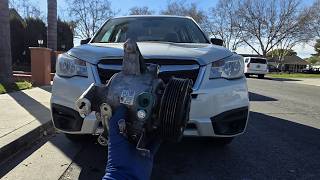
- Verify Part Numbers: Ensure the part number is 73111SA000 or 73111SA001. While other compressors may look similar, only the correct part for the 2.5L non-turbo engine 🎬 See this step-by-step guide on removing the Forester compressor. will fit and function correctly.
- Examine the Electrical Connector: The plastic connector should be intact, with no cracks or broken locking tabs. The pins inside should be clean and straight.
- Ask About the Source Vehicle: If possible, find out the mileage of the vehicle the compressor came from. Lower mileage is always better. Ask if the A/C system was working when the part was removed.
Pro Tip: When you receive your used compressor, turn the center clutch hub by hand several times in the direction of engine rotation. It should turn smoothly with some resistance. This helps redistribute the oil that has settled during shipping and storage.
Replacement Overview and Cost
Replacing the A/C compressor is a moderately difficult job, primarily because it requires specialized equipment to handle the refrigerant. If you do not have experience with A/C systems, this job is best left to a professional.
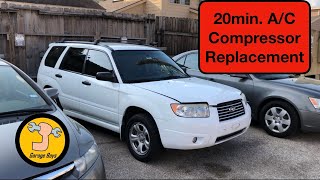
🎬 Watch: A comprehensive walkthrough of the full replacement process.Critical Step: Any time the A/C system is opened, the receiver/drier must be replaced. This small canister contains a desiccant that absorbs moisture, which is the enemy of an A/C system. Failure to replace it will void the warranty on most new or remanufactured compressors and can lead to premature failure of your used part.
Cost Comparison
| Part/Service | Estimated Cost |
|---|---|
| New OEM | $700 - $850 |
| New Aftermarket | $200 - $350 |
| Remanufactured | $150 - $485 |
| Used OEM | $90 - $200 |
| Shop Labor (Replacement & Recharge) | $300 - $600 |
Frequently Asked Questions (FAQ)
Can I just replace the A/C compressor clutch?
Yes, clutch kits are available and can be a cost-effective repair if the compressor itself is still good. However, replacing the clutch often requires special tools and can be difficult to perform with the compressor on the vehicle. If the bearing has failed and damaged the compressor's snout, or if the compressor's front seal is leaking, the entire compressor assembly should be replaced.
What is "Black Death" and how do I avoid it after replacement?
"Black Death" is the term for the widespread contamination of an A/C system with metal debris and burnt oil from a catastrophic compressor failure. To prevent it from destroying your replacement compressor, you must have the system professionally flushed, replace the receiver/drier, and replace the expansion valve. In severe cases, the condenser may also need to be replaced as its small passages are difficult to flush clean.
Do I need to add oil to the replacement compressor?
Yes, but the correct amount is critical. New and remanufactured compressors often come pre-filled, but you must verify the amount and type (PAG 46) against the vehicle's specifications. If installing a used compressor, it's best to drain the oil from it and the old compressor to measure how much came out, then add the correct amount of fresh oil to the system before recharging. Over- or under-oiling will lead to premature failure.
My A/C belt broke. Can I still drive the car?
Yes. On the 2003-2005 Forester with the 2.5L non-turbo engine, the A/C compressor is driven by a separate belt. The main serpentine belt drives the essential components like the alternator and power steering pump. You can safely drive the vehicle with the A/C belt broken or removed, you just won't have air conditioning.
Helpful Videos
Technical Specifications
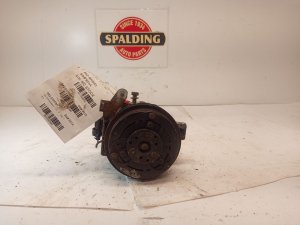
OEM Part Numbers: 73111SA000 73111SA001
Compressor Type: DKV-14G, Refrigerant: R134a, Oil Type: PAG 46, Pulley Grooves: 4
We Have This Part in Stock

The information in this article is provided for general reference and educational purposes only. Vehicle specifications, procedures, and part compatibility can vary by production date, trim level, and region. Always consult your vehicle's factory service manual and verify part numbers before purchasing or performing repairs. Safety-critical components such as airbags, seat belts, and braking systems should be installed by a qualified professional.
- Subaru Forester:
- 🎬 Helpful Videos
- 🛍️ Shop This Part
- Vehicle Fitment and Key Part Numbers
- Symptoms of a Failing A/C Compressor
- Diagnosing the Problem
- Buying a Used 2003-2005 Forester A/C Compressor
- What to Inspect Before Buying:
- Replacement Overview and Cost
- Cost Comparison
- Frequently Asked Questions (FAQ)
- 🎟️ Get 5% Off