

2013-2019 Nissan Sentra A/C Compressor: Clutch Failure, Diagnosis, and Replacement Costs
Diagnose common A/C compressor problems, understand replacement costs, and learn how to choose a quality used OEM unit for your 1.8L Sentra.
- This compressor is only for 2013-2019 Sentra models with the 1.8L engine, not the 1.6L Turbo or the 2020+ 2.0L models.
- If the compressor failed internally (seized), you MUST also replace the receiver/drier and expansion valve and flush the system to avoid damaging the replacement part.
- Replacement is not a simple DIY job because it requires a certified machine to safely recover and recharge the A/C system's refrigerant.
- A seized compressor pulley is a critical failure that can break the serpentine belt, leading to a loss of power steering and alternator function. The vehicle should not be driven in this condition.
Compatibility Warning: 1.8L Engine Only

Important: This A/C compressor and the information in this guide apply specifically to 2013-2019 Nissan Sentra models equipped with the 1.8L 4-cylinder engine. It does not fit models with the 1.6L Turbo engine. The Sentra was redesigned for the 2020 model year with a different 2.0L engine, which uses a different A/C compressor. Always verify compatibility with your vehicle's specific year and engine before purchasing.
Symptoms of a Failing A/C Compressor

When your Sentra's A/C starts acting up, the compressor is a common suspect. While low refrigerant is the most frequent cause of A/C issues, certain sounds and behaviors point directly to a problem with the compressor or its clutch.
- Warm Air from Vents: This is the most obvious symptom. If the compressor isn't pumping, the cooling cycle can't start.
- Loud Grinding or Squealing Noises: A constant grinding or squealing noise from the engine bay that starts or changes when you turn the A/C on points to failing internal bearings in the compressor or a worn-out clutch pulley bearing.
- A/C Clutch Doesn't Engage: When you turn on the A/C, you should hear a distinct 'click' from the engine bay as the compressor clutch engages. If you don't hear this click and the center part of the pulley isn't spinning, the clutch may have failed electrically or mechanically.
- Seized Pulley: If the A/C compressor pulley is locked up and doesn't spin at all, even with the engine off, the compressor's internal components or the pulley bearing have seized. This is a critical failure that will shred the serpentine belt, causing a loss of power steering and alternator function, making the vehicle undrivable. 🎬 See how to avoid costly repairs with a seized pulley
Diagnosing the Problem: Compressor vs. Clutch

A common point of failure on these Sentra models is the electromagnetic clutch, not necessarily the entire compressor. Understanding the difference can save you money.
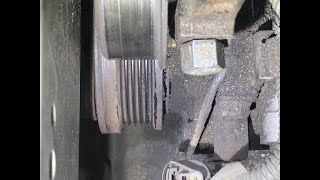
- Visual Inspection: With the engine off, look at the A/C compressor pulley. The outer part should spin freely. The center part (the clutch plate) should be stationary. If the outer pulley is wobbly, noisy when spun by hand, or shows signs of black, greasy residue, the pulley bearing is likely bad.
- Check Clutch Engagement: Have a helper turn the car on and switch the A/C on and off. Watch the compressor pulley. The outer pulley always spins with the engine, but the center clutch plate should only spin when the A/C is on.
- Clutch Not Engaging: If the clutch doesn't engage, it could be a simple electrical issue like a blown fuse, a bad relay, or low refrigerant pressure preventing the system from activating. A mechanic can test for power at the compressor's electrical connector to confirm.
- Clutch Engaged, But No Cold Air: If the clutch engages and spins but the air is still warm, the compressor may be failing internally and is no longer able to build pressure. This requires a set of A/C manifold gauges to diagnose properly. 🎬 Watch: How to tell if the compressor or clutch failed
Pro Tip: In many cases, only the A/C compressor clutch or its bearing fails. While some mechanics prefer to replace the entire compressor assembly for warranty purposes, replacing just the clutch is possible and can be more cost-effective if the compressor itself is still healthy.
Buying a Used 2013-2019 Sentra A/C Compressor

A used OEM compressor can be a reliable and cost-effective alternative to expensive new parts. Since these are durable components when treated properly, a low-mileage used unit is often a smart buy. Here’s what to look for:
- Verify Compatibility: Double-check that the compressor came from a 2013-2019 Sentra with the 1.8L engine. Cross-reference the OEM part number if possible.
- Inspect the Pulley and Clutch: Spin the outer pulley by hand. It should rotate smoothly with no grinding or wobbling. The clutch plate should be intact and not show signs of extreme heat or scoring.
- Check the Ports: Ensure the inlet and outlet ports are capped. An open compressor can be contaminated with moisture and debris, which will destroy it upon installation. Do not buy a compressor that has been left open to the elements.
- Look for Leaks: Inspect the compressor body, especially around the seals where the two halves meet. Any signs of oily, grimy residue could indicate a refrigerant leak.
- Buy from a Reputable Source: Purchase from an auto recycler that offers a warranty. This protects you in case the part is defective. A low-mileage vehicle is the ideal donor.
Replacement Overview & Difficulty
Replacing the A/C compressor is an advanced job, primarily because it requires specialized equipment to handle the refrigerant in the system. It is illegal and unsafe to release refrigerant into the atmosphere.
- Step 1: Refrigerant Recovery: A certified mechanic must use an A/C recovery machine to safely evacuate the refrigerant from the system.
- Step 2: Access the Compressor: This involves removing the front passenger-side wheel and splash shields to access the compressor from below.
- Step 3: Remove the Serpentine Belt: The belt tensioner is released (typically with a 14mm wrench) to slip the belt off the compressor pulley.
- Step 4: Disconnect and Remove: The electrical connector and the high- and low-side refrigerant lines are disconnected (typically 10mm bolts). The compressor is then unbolted from the engine block (typically three 13mm bolts).
- Step 5: System Flush and Component Replacement: If the old compressor failed internally (seized), the entire A/C system must be flushed to remove metal debris. The receiver/drier (also called accumulator) and expansion valve MUST be replaced to prevent the debris from destroying the new compressor.
- Step 6: Installation and Recharge: The new compressor is installed, and new O-rings are used on the refrigerant lines. A vacuum is then pulled on the system to remove all air and moisture before it is recharged with the correct amount of refrigerant and PAG oil.
Cost Comparison
Prices can vary based on location and supplier, but this provides a general estimate for the 2013-2019 Sentra A/C compressor.
| Part Type | Estimated Cost |
|---|---|
| New OEM | $620 - $1,020 |
| New Aftermarket | $190 - $410 |
| Used OEM | $50 - $150 |
| Remanufactured | $130 - $250 |
| Shop Labor | $172 - $658 |
Known Issues, TSBs, and Recalls
As of early 2026, there are no specific NHTSA recalls for the A/C compressor on the 2013-2019 Nissan Sentra. Most recalls for this generation pertain to airbag systems. While no major Technical Service Bulletins (TSBs) point to a widespread design flaw with the compressor itself, failures of the compressor and its clutch are commonly reported by owners in online forums.
Frequently Asked Questions (FAQ)
Do I have to replace the whole A/C system if the compressor failed?
If the compressor failed internally and seized, it sends metal shavings throughout the system. To prevent this debris from destroying the replacement compressor, you MUST replace the A/C receiver/drier and expansion valve and have a professional flush the lines and evaporator. If only the clutch failed without the compressor seizing, you may not need to replace these extra parts.
Can I just replace the A/C compressor clutch?
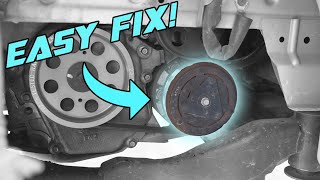
Yes, if the compressor itself is still good, replacing only the clutch assembly is possible. This can be more cost-effective but requires special tools like snap-ring pliers and a clutch puller. It can be a difficult job, and sometimes the cost of a clutch kit is close to that of a complete remanufactured or used compressor assembly.
🎬 Watch: Step-by-step guide to replacing just the compressor clutchDoes a new compressor come with oil?
New and remanufactured compressors typically ship with a generic 'shipping oil' charge. This oil should be drained and the compressor filled with the correct type and amount of new PAG oil specified for your vehicle before installation. Using the wrong oil or an incorrect amount can cause premature failure.
Will this compressor fit a 2020 or 2021 Sentra?
No. The Nissan Sentra was completely redesigned for the 2020 model year and uses a 2.0L engine with a different A/C system. The part number for the 2020-2021 Sentra compressor is 92600-6LB0B, which does not fit the earlier 1.8L models.
OEM Part Numbers
Nissan has updated the part number for this compressor several times. The latest number supersedes all previous versions. Always confirm fitment with the seller.
- 92600-6LB0B (Latest, also fits 2020-2021 models)
- 92600-6LB0A
- 926003SH1C
- 926003SH1B
- 926003SH1A
- 926003SH0A
Note: While some dealer sites show 92600-6LB0B as a replacement, it is primarily listed for 2020+ models. The 92600-3SHxx series is the most direct fit for 2013-2019 models. The physical fitment may be identical, but it's critical to verify with your parts supplier.
Helpful Videos
![A/C Compressor or Clutch Failure - How To Tell [Part 1]](https://img.youtube.com/vi/LH5A0QPC31k/mqdefault.jpg)
Technical Specifications
OEM Part Numbers: 92600-6LB0B 92600-6LB0A 926003SH1C 926003SH1B 926003SH1A 926003SH0A
Compressor Type: PXC14, Pulley Grooves: 6
We Have This Part in Stock



The information in this article is provided for general reference and educational purposes only. Vehicle specifications, procedures, and part compatibility can vary by production date, trim level, and region. Always consult your vehicle's factory service manual and verify part numbers before purchasing or performing repairs. Safety-critical components such as airbags, seat belts, and braking systems should be installed by a qualified professional.
- Nissan Sentra:
- 🎬 Helpful Videos
- 🛍️ Shop This Part
- Compatibility Warning: 1.8L Engine Only
- Symptoms of a Failing A/C Compressor
- Diagnosing the Problem: Compressor vs. Clutch
- Buying a Used 2013-2019 Sentra A/C Compressor
- Replacement Overview & Difficulty
- Cost Comparison
- Known Issues, TSBs, and Recalls
- Frequently Asked Questions (FAQ)
- OEM Part Numbers
- 🎟️ Get 5% Off