

Mazda Protege & 323 A/C Compressor (1990-2000): The Definitive Guide to SOHC-Specific Fitment
This guide covers the crucial details for replacing the A/C compressor on 1990-2000 Mazda Protege and 1990-1995 Mazda 323 models, focusing on engine-specific compatibility and common issues.
- Fitment is restricted to 1.6L and 1.8L SOHC (Single Overhead Cam) engines only.
- For 1999-2000 Protege 1.6L models, this part fits vehicles up to VIN 257501.
- When buying a used compressor, check the ports for dark oil or metal shavings, which indicate catastrophic failure.
- Always replace the receiver/drier and expansion valve/orifice tube when replacing the compressor to ensure system longevity.
A/C Compressor Fitment for Mazda Protege & 323: Key Details
This A/C compressor is shared between the 1990-2000 Mazda Protege and the 1990-1995 Mazda 323. While these vehicles share a platform, there are critical compatibility details you must verify before purchasing a replacement part.
Vehicle & Engine Compatibility
Fitment for this compressor is highly dependent on the engine in your vehicle. It is crucial to confirm your engine type before ordering.
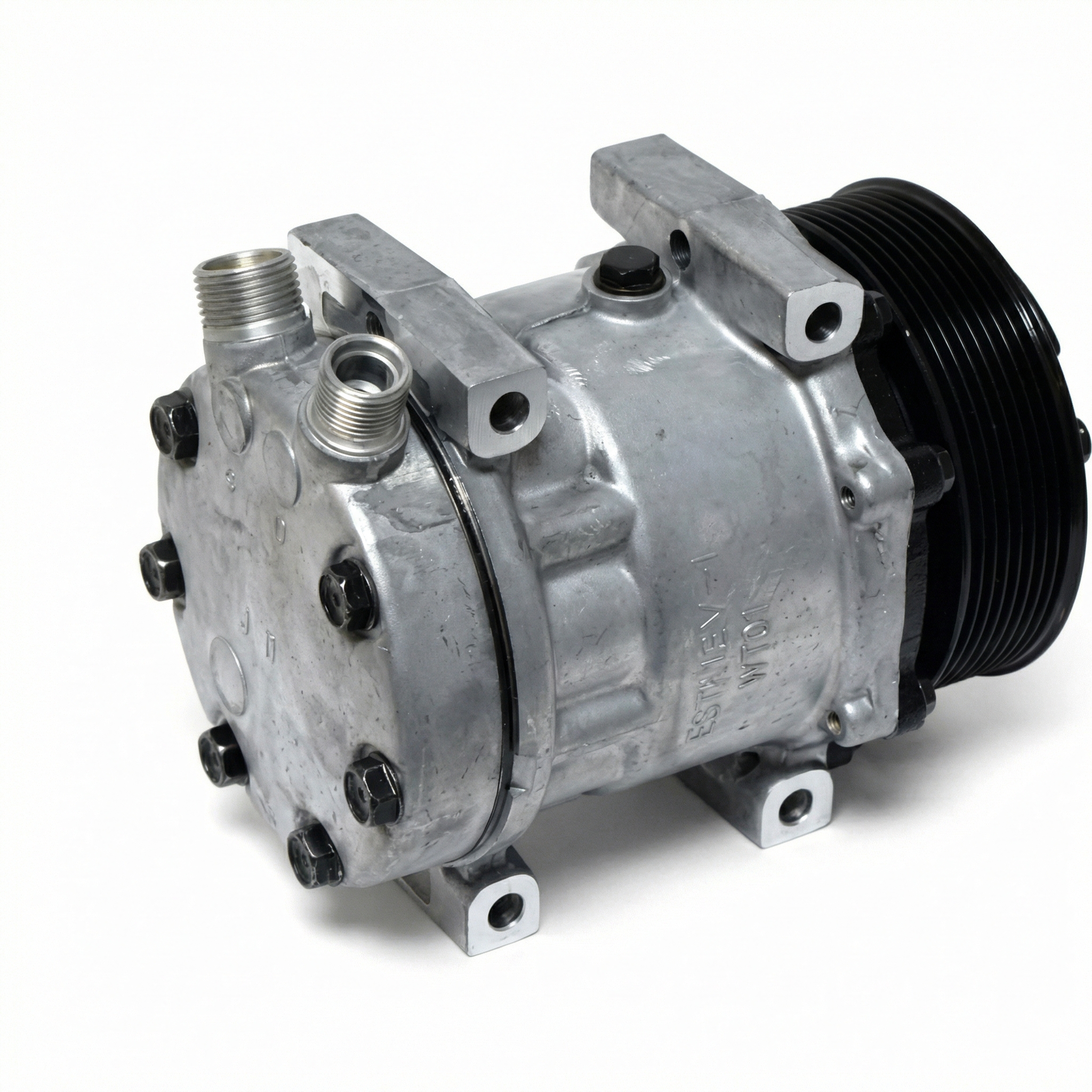
- Engine Type: This compressor fits vehicles equipped with 1.6L or 1.8L SOHC (Single Overhead Cam) engines only. It will NOT fit DOHC (Dual Overhead Cam) engines.
- Pulley Type: The compressor uses a 4-groove serpentine belt pulley.
- Mounting: It features a vertical side mount configuration.
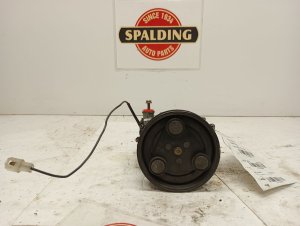
Warning: For 1999-2000 Mazda Protege models with the 1.6L engine, there is a specific VIN cutoff. This part is only confirmed to fit vehicles built up to VIN 257501. If your VIN is higher, you must visually inspect your current compressor and compare it to the part images to ensure a match.
Common Symptoms of a Failing A/C Compressor
A failing A/C compressor will give several warning signs. If you notice any of the following, it's time to inspect your A/C system.
- No Cold Air: The most obvious symptom is warm or hot air blowing from the vents when the A/C is on. A failing compressor cannot properly pressurize the refrigerant.
- Loud Noises: Grinding, rattling, or squealing noises when the A/C is turned on often point to failing internal bearings or a bad clutch. A loud humming could also indicate the beginning of a failure.
- Visible Leaks: The compressor has seals that can fail over time, leading to refrigerant leaks. You might see a greasy, oily residue on the compressor body.
- Stuck or Non-Engaging Clutch: The A/C compressor clutch is a plate on the front of the pulley that engages to turn the compressor. If this clutch doesn't click and start spinning when you turn on the A/C, it could be a sign of a bad clutch or a deeper electrical issue.
Known Issues, TSBs, and Recalls
After extensive research, no specific recalls or Technical Service Bulletins (TSBs) from Mazda or the NHTSA were found relating to widespread A/C compressor failure for the 1990-2000 Mazda Protege or 1990-1995 Mazda 323. Most issues reported by owners are related to normal wear and tear over the vehicle's long lifespan, such as seal leaks and clutch failure.
Buying a Used A/C Compressor: What to Check
A used OEM compressor can be a reliable and cost-effective alternative to expensive new parts, but careful inspection is key. Here’s what to look for:
- Verify Compatibility: First and foremost, confirm the donor vehicle had the same SOHC engine and falls within the correct year range. Double-check that the pulley has 4 grooves.
- Inspect the Clutch: Manually turn the outer plate of the clutch. It should spin with some resistance but be smooth. If it's seized or makes grinding noises, the clutch is bad. The pulley behind the clutch should spin freely without noise or wobble.
- Check for Leaks: Look for oily residue around the hose connections and the seams of the compressor body. Clean, dry surfaces are a good sign.
- Examine the Ports: Look inside the inlet and outlet ports. The presence of dark, gritty oil or metal shavings is a major red flag. This indicates internal failure, known as "black death," and the compressor should be rejected as it will contaminate the entire A/C system. The oil inside should be clean and clear.
- Assess for Physical Damage: Check for cracks in the housing, broken mounting tabs, or damage to the electrical connector.
Pro Tip: When replacing a compressor, it is critical to also replace the receiver/drier (or accumulator) and the expansion valve (or orifice tube). Failure to do so will void the warranty on most new and remanufactured parts and can cause premature failure of your replacement compressor.
Replacement Overview
- Difficulty: 3/5 (Moderate)
- Time: 1.5 - 2.5 hours
- DIY Feasible: Yes, for experienced DIYers with the right tools.
Replacing the compressor itself is a straightforward mechanical job. However, the A/C system must be legally and safely evacuated of refrigerant by a certified technician before you begin work, and then vacuumed and recharged by a professional after the new parts are installed. This requires specialized equipment.
The basic steps involve: having the system evacuated, disconnecting the battery, releasing the accessory belt tension, disconnecting the electrical connector and refrigerant lines, unbolting the old compressor, and then installing the new one in reverse order. Access is typically from underneath the car after removing the splash shield.
Cost Comparison (2026 Estimates)
| Part/Service | Estimated Cost |
|---|---|
| New OEM | $700 - $960 |
| New Aftermarket | $240 - $550 |
| Remanufactured | $230 - $490 |
| Used OEM | $75 - $150 |
| Shop Labor (Compressor R&R) | $170 - $250 |
| Shop Labor (Evacuate & Recharge) | $150 - $250 |
Frequently Asked Questions
Do I have a SOHC or DOHC engine?
The easiest way to tell is to look at the valve cover. SOHC (Single Overhead Cam) engines typically have a narrower, simpler valve cover. DOHC (Dual Overhead Cam) engines have a wider valve cover, often with "DOHC" or "16-Valve" cast into it. For these specific Mazda models, the 1.6L was primarily SOHC, while the 1.8L was available in both SOHC and DOHC versions. Always verify before buying.
Can I just replace the A/C clutch?
Yes, the clutch can often be replaced separately if the compressor itself is still good. This is a more complex job that requires special tools to pull the old clutch and press the new one on. If the compressor is old or the bearing is noisy, it's often more cost-effective and reliable in the long run to replace the entire compressor assembly.
Why do I have to replace the receiver/drier?
The receiver/drier contains a desiccant material that absorbs moisture from the refrigerant. Once the A/C system is opened to the atmosphere (like during a compressor replacement), this desiccant becomes saturated and can no longer protect the system. A new, sealed receiver/drier is essential to prevent moisture from causing corrosion and damaging your new compressor.
What kind of oil and how much does the system need?
These systems typically use PAG 46 refrigerant oil. The total system capacity is around 5 ounces, but this is distributed among the compressor, condenser, evaporator, and receiver/drier. When replacing just the compressor, you should drain the oil from the old unit to measure how much was in it, then add the same amount of new PAG oil to the new compressor. Always consult the factory service manual for your specific vehicle's capacities.
Technical Specifications
OEM Part Numbers: 15-20840 047200-7614 19192275 BJ0E-61-450 BJ0E61450 BR70-61-450 BR70-61-450A BR7061450 BR7061450A H12A0AA4DL H12A0AA4EK B25F61450B B25F61K00A
Engine Fitment: 1.6L/1.8L SOHC, Pulley: 4-groove serpentine, Mount: Vertical side mount, Refrigerant Oil: PAG 46
We Have This Part in Stock


The information in this article is provided for general reference and educational purposes only. Vehicle specifications, procedures, and part compatibility can vary by production date, trim level, and region. Always consult your vehicle's factory service manual and verify part numbers before purchasing or performing repairs. Safety-critical components such as airbags, seat belts, and braking systems should be installed by a qualified professional.
- Mazda Protege:
- Mazda 323:
- 🛍️ Shop This Part
- A/C Compressor Fitment for Mazda Protege & 323: Key Details
- Vehicle & Engine Compatibility
- Common Symptoms of a Failing A/C Compressor
- Known Issues, TSBs, and Recalls
- Buying a Used A/C Compressor: What to Check
- Replacement Overview
- Cost Comparison (2026 Estimates)
- Frequently Asked Questions
- 🎟️ Get 5% Off