

2016-2022 Honda HR-V A/C Compressor: Failure Symptoms and Replacement Guide
A detailed look at why the A/C compressor fails on the 2016-2022 Honda HR-V, and what you need to know before buying a used replacement.
- A/C failure on the HR-V is common and can be caused by the compressor, but also frequently by a leaking condenser.
- If the compressor fails internally, it can send metal shavings through the system, requiring replacement of multiple components, not just the compressor.
- Replacing the compressor requires specialized equipment to safely recover and recharge the refrigerant; this is not a beginner DIY job.
- A used OEM compressor is a viable option, but inspect it carefully for leaks and ensure the clutch and pulley are in good condition before purchase.
Known Issues & Common Failures

While the 2016-2022 Honda HR-V is generally a reliable vehicle, its air conditioning system can have problems. The most common issue isn't always the compressor itself, but other components that cause the A/C to stop working. Many owners report A/C failure at relatively low mileage. Often, a failure in one part can cause a chain reaction, damaging others.
A/C Condenser Leaks
A widespread issue for many Honda models of this era, including the Civic, is a faulty A/C condenser. While a specific TSB for the HR-V was not found in searches, the problem is relevant. The condenser, which looks like a small radiator at the front of the car, can develop tiny holes that leak refrigerant. When the refrigerant level gets too low, the A/C system will stop blowing cold air to protect the compressor from damage. If you're experiencing A/C issues, a leaky condenser is a prime suspect.
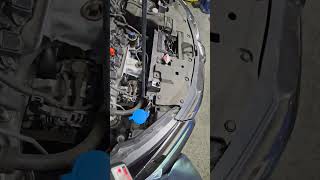
🎬 Watch: A quick diagnostic walkthrough for finding HR-V condenser leaks.Compressor Clutch Failure
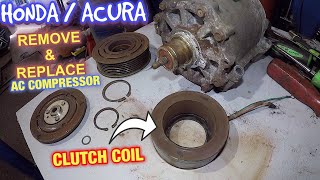
The A/C compressor has a clutch on its pulley that engages and disengages to turn the compressor on and off. This clutch can fail in several ways. The electromagnetic coil can burn out, the bearing can seize, or the clutch plate can wear, creating too large of an air gap for the magnet to engage it. 🎬 See how to remove and replace a faulty A/C clutch coil. Symptoms often start intermittently, especially on hot days, before failing completely. Sometimes, a failing clutch is the only problem, but in many cases, it's a symptom of a failing compressor.
Internal Compressor Failure
The compressor can also fail internally. When this happens, it can send small metal shavings throughout the entire A/C system. This is a catastrophic failure. If you replace only the compressor without thoroughly flushing the entire system and replacing the condenser and expansion valve, the metal debris will destroy the new compressor in a very short time. This is why many repair quotes include replacing the compressor, condenser, and other components simultaneously.
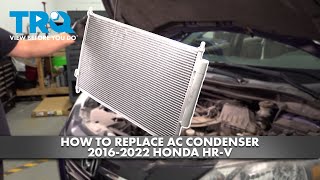
🎬 Watch this step-by-step guide on how to replace the condenser.Symptoms of a Failing A/C Compressor

Diagnosing an A/C problem can be tricky, as many different failed parts can cause the same symptom: no cold air. Here are some specific signs that point toward the compressor.
- No Cold Air: This is the most obvious symptom. The air from the vents may be warm or only slightly cool.
- Intermittent Cooling: The A/C might work for a while and then start blowing warm air, especially on hot days or when idling. This can point to a clutch that is struggling to engage.
- Loud Noises: A grinding, squealing, or rattling sound from the engine bay when the A/C is turned on is a serious warning sign. This often indicates a failing clutch bearing or internal compressor damage. Turn off the A/C immediately to prevent further damage.
- Compressor Clutch Not Engaging: With the engine running and A/C on, you should hear a distinct "click" as the compressor clutch engages, and you should see the center part of the pulley start to spin. If it doesn't, there could be an electrical issue, a bad clutch, or the system may be too low on refrigerant.
Buying a Used 2016-2022 HR-V A/C Compressor

A used OEM compressor can be a smart, cost-effective alternative to expensive new parts, especially when compared to cheap aftermarket options that may not have the same quality or fit. Here’s what to look for when buying a recycled A/C compressor.
Physical Inspection Checklist
- Check the Pulley and Clutch: Spin the pulley by hand. It should spin smoothly and quietly. Try to wiggle it; there should be no play. The clutch plate on the front should be intact and not show signs of extreme heat or rust.
- Inspect the Connectors: Make sure the electrical connector is not cracked, corroded, or damaged.
- Look for Leaks: Check around the seals and body of the compressor for oily residue. This is a sign that refrigerant oil has leaked out, meaning the seals have failed.
- Verify Part Numbers: Match the part number on the used compressor to your original part. While there may be several compatible numbers, an exact match is the safest bet. Known OEM part numbers include 38810-51M-A21, 38810-51M-A22, and 3881051MA01.
- Ensure Ports are Capped: A reputable seller will cap or plug the inlet and outlet ports to prevent moisture and debris from getting inside. If the ports are open to the air, moisture has likely contaminated the internal components.
Pro Tip: When replacing the compressor, you MUST also replace the receiver/drier (also called an accumulator) and the expansion valve. Failure to do so will void the warranty on most new and used parts and can lead to premature failure of the replacement compressor.
Replacement Overview & Difficulty

Replacing the A/C compressor on a Honda HR-V is a moderately difficult job. While the compressor itself is often accessible from the top of the engine bay, the full procedure requires specialized tools and knowledge.
- Difficulty Rating: 4 out of 5
- Estimated Time: 2-3 hours for a professional
- DIY Feasible: Not recommended for beginners.
Warning: The A/C system is under high pressure and contains refrigerant that is harmful to the environment. It is illegal to release it into the atmosphere. The system must be evacuated by a certified technician with a refrigerant recovery machine before any components are removed, and then properly vacuumed and recharged after installation.
Because of the need for specialized equipment to handle the refrigerant, this repair is best left to a professional shop or a very experienced DIY mechanic with the right tools.
Cost Comparison
A/C compressor replacement can be an expensive repair, largely due to the high cost of a new OEM part.
| Part Type | Estimated Cost |
|---|---|
| New OEM | $875 - $920 |
| New Aftermarket | $180 - $270 |
| Used OEM | $115 - $200 |
| Shop Labor | $178 - $261 |
| Total Professional Replacement (New OEM) | $1,097 - $1,645 |
Frequently Asked Questions (FAQ)
Do I have to replace the whole compressor if only the clutch is bad?
Sometimes it is possible to replace only the A/C clutch assembly. However, the labor can be intensive, and if the clutch failed due to a problem with the compressor itself (like high internal friction), a new clutch will fail again quickly. Often, replacing the entire compressor assembly is the more reliable and cost-effective repair in the long run.
My A/C works sometimes, but not always. What could be the problem?
Intermittent A/C operation is a classic symptom of a few issues. It could be a clutch air gap that has grown too large, preventing engagement when hot. It could also be a system that is slightly low on refrigerant, or an electrical issue with a relay or pressure switch. A proper diagnosis with manifold gauges is needed to pinpoint the cause.
Can I just add more refrigerant to fix my A/C?
If your system is not cooling because of a leak, adding refrigerant is only a temporary fix. The refrigerant will leak out again. Furthermore, overcharging the system can cause even more damage by creating excessively high pressures, which can destroy the compressor. It's critical to find and fix the leak first.
Is there a recall on the 2016-2022 Honda HR-V A/C compressor?
Based on searches of the NHTSA database, there are no open recalls specifically for the A/C compressor on the 2016-2022 Honda HR-V. However, Honda did issue warranty extensions for A/C condensers on other models like the Civic from the same era, which suffered from similar manufacturing defects.
OEM Part Numbers
This list includes known OEM part numbers for the 2016-2022 Honda HR-V A/C compressor. The part may have been updated over the years, so one number may supersede another. Always verify fitment with the seller using your vehicle's VIN.
- 38810-51M-A21
- 38810-51M-A22 (replaces 38810-51M-A21)
- 3881051MA01
- 3881051MA22
- 3890051MA01
Helpful Videos
Technical Specifications
OEM Part Numbers: 38810-51M-A21 38810-51M-A22 3881051MA01 3881051MA22 3890051MA01
Compressor Type: 10SRE11C, Refrigerant: R134a, Oil Type: PAG 46, Pulley Grooves: 6
We Have This Part in Stock



The information in this article is provided for general reference and educational purposes only. Vehicle specifications, procedures, and part compatibility can vary by production date, trim level, and region. Always consult your vehicle's factory service manual and verify part numbers before purchasing or performing repairs. Safety-critical components such as airbags, seat belts, and braking systems should be installed by a qualified professional.
- Honda HR-V:
- 🎬 Helpful Videos
- 🛍️ Shop This Part
- Known Issues & Common Failures
- A/C Condenser Leaks
- Compressor Clutch Failure
- Internal Compressor Failure
- Symptoms of a Failing A/C Compressor
- Buying a Used 2016-2022 HR-V A/C Compressor
- Physical Inspection Checklist
- Replacement Overview & Difficulty
- Cost Comparison
- Frequently Asked Questions (FAQ)
- OEM Part Numbers
- 🎟️ Get 5% Off