

2009-2010 Honda Fit A/C Compressor: Diagnosing Common Clutch Failures and Leaks
This guide covers the common failure points, symptoms, and replacement costs for the A/C compressor in the 2009-2010 Honda Fit.
- The most common failure is the A/C compressor clutch or coil, not always the compressor itself. This can sometimes be replaced separately for less money.
- When replacing the compressor, you MUST also replace the receiver/drier and expansion valve to prevent immediate failure of the new part.
- The system is highly sensitive to the refrigerant level; it must be professionally evacuated and recharged to the exact weight specified by Honda.
- There are no active safety recalls for the A/C system on these vehicles.
Common Symptoms of a Failing A/C Compressor

When the A/C compressor in a 2009-2010 Honda Fit begins to fail, it will usually provide several warning signs. Identifying these symptoms early can help you diagnose the problem correctly.
- A/C Blows Warm or Not Cold: This is the most obvious symptom. The compressor is no longer able to pressurize the refrigerant, preventing the system from cooling the cabin air.
- Clutch Does Not Engage: When you turn on the A/C, you should hear a distinct "click" from the engine bay as the compressor's magnetic clutch engages. If this click is absent and the center plate of the compressor pulley isn't spinning, the clutch has likely failed. This is a very common issue on this generation of Honda Fit.
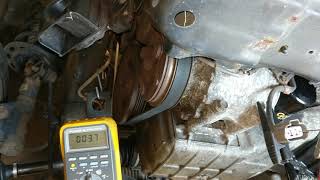
- Intermittent Cooling: The A/C may work when you first start the car but stop blowing cold after the engine warms up or when driving at higher speeds. This can be a sign of the clutch coil overheating or the clutch air gap being too large. 🎬 Watch: How to test the clutch coil resistance with a multimeter.
- Grinding or Squealing Noises: A loud grinding or squealing sound that is present whenever the engine is running can indicate a failed bearing in the compressor's pulley. If the noise only occurs when the A/C is switched on, it points to failing internal components of the compressor itself.
- Visible Refrigerant Leaks: You may see a greasy, greenish residue on the body of the compressor or on the connected A/C lines. This is a mix of refrigerant oil and dye, indicating a leak.
Known Issues for 2009-2010 Honda Fit

While generally reliable, the A/C system in the second-generation Honda Fit has a few well-documented weak points that owners and technicians should be aware of.
A/C Compressor Clutch and Coil Failure
The most common problem by far is not the compressor itself, but the failure of its magnetic clutch or field coil. Over time, the electrical coil that creates the magnetic force to engage the clutch can fail, or the air gap between the clutch plate and the pulley can become too large for the magnet to overcome. The system may work intermittently at first before failing completely.
Pro Tip: If you can confirm the compressor itself is still good (spins freely, no leaks, no internal noise), you may be able to replace only the A/C clutch and coil assembly. This is a much cheaper repair that does not require opening the refrigerant system, saving you hundreds of dollars in parts and labor.
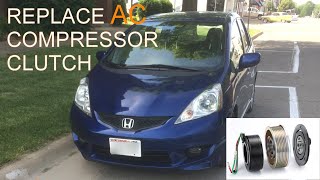
🎬 See how to replace the clutch and save on repair costs.System Sensitivity to Refrigerant Charge
Honda A/C systems are notoriously sensitive to the amount of refrigerant they contain. If the system is even slightly undercharged due to a small leak, or overcharged from an improper service, a pressure switch will prevent the compressor from turning on to protect it from damage. Simply adding a can of refrigerant from an auto parts store often makes the problem worse. The system must be completely evacuated and recharged with the precise weight of R-134a specified on the under-hood sticker.
Recalls and Technical Service Bulletins (TSBs)
As of early 2026, there are no active NHTSA safety recalls specifically for the air conditioning compressor on the 2009-2010 Honda Fit. There have been several recalls for this vehicle related to airbags and engine components, which should be addressed but are unrelated to the A/C system.
Buying a Used A/C Compressor: What to Check

A used OEM compressor can be a reliable and cost-effective alternative to expensive new parts, especially when compared to cheap aftermarket units which often have lower quality and a shorter lifespan. Here’s what to inspect before you buy:
- Check the Ports: The inlet and outlet ports should be capped or plugged. A compressor that has been left open to the air has likely absorbed moisture, which will contaminate the entire A/C system and lead to premature failure. Do not buy a compressor with open ports.
- Inspect for Physical Damage: Look for cracks in the aluminum housing, bent mounting tabs, or damage to the electrical connector.
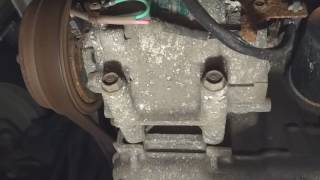
- Turn the Shaft by Hand: The outer pulley should spin freely and quietly. The inner hub (the clutch plate) should turn by hand with some effort and feel smooth, with consistent resistance. If it's seized or feels gritty, the compressor is bad.
- Look for Leaks: Check for excessive oily residue, especially around the shaft seal (behind the pulley) and where the two halves of the compressor body meet. A thick layer of caked-on grime and oil is a major red flag.
- Verify Part Numbers: Match the part number on the used compressor to your original part to ensure compatibility. Be prepared for the possibility that you may need to transfer the electrical plug from your old compressor to the replacement unit.
Replacement Overview and Cost
Replacing the A/C compressor is a moderately difficult job that is not recommended for most DIY mechanics due to the need for specialized equipment.
Warning: The vehicle's A/C system is under pressure and contains refrigerant that is harmful to the environment. It is illegal to release it into the atmosphere. The system must be professionally evacuated before any components are removed and then vacuum-tested and recharged after the repair is complete.
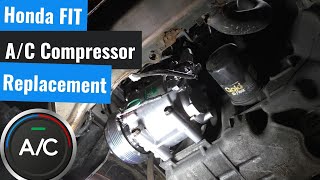
🎬 Watch this step-by-step walkthrough of a full compressor replacement.The basic steps involve recovering the refrigerant, removing the serpentine belt, disconnecting the A/C lines and electrical connector, unbolting the old compressor, and installing the new one. Crucially, whenever the compressor is replaced, you must also replace the A/C receiver/drier (also called an accumulator) and the expansion valve. Failure to replace these components will cause the new compressor to fail quickly and will void the warranty on most new and remanufactured parts.
Cost Comparison
Prices can vary significantly based on part source and labor rates. A dealership repair will be the most expensive.
| Part/Service | Estimated Cost |
|---|---|
| New OEM Compressor | $800 - $1,200 |
| New Aftermarket Compressor | $220 - $490 |
| Remanufactured Compressor | $300 - $400 |
| Used OEM Compressor | $75 - $200 |
| Shop Labor (Independent Shop) | $350 - $500 |
| Total Job (Used OEM Part) | $425 - $700 |
| Total Job (New Aftermarket Part) | $570 - $990 |
Frequently Asked Questions (FAQ)
Do I have to replace other parts when I replace the A/C compressor?
Yes. At a minimum, you must replace the receiver/drier (or accumulator) and the expansion valve. If the old compressor failed internally, the entire system should also be flushed to remove any metal debris before installing the new parts. Skipping these steps is the #1 cause of repeat failures.
Can I just replace the A/C clutch instead of the whole compressor?
Sometimes, yes. If the compressor itself is confirmed to be in good condition (no leaks, no internal noise) and the only problem is a non-engaging clutch, you can often replace just the clutch and coil assembly. This is a more advanced repair but saves significant money.
Why did my A/C stop working right after I tried to recharge it with a can?
The 2009-2010 Honda Fit A/C system is very sensitive to the refrigerant level. It holds a very small, specific amount. Using a DIY recharge can easily overcharge the system, causing the high-pressure switch to shut the compressor off to prevent damage. The only correct way to charge the system is to evacuate it completely and refill it with the exact weight of R-134a specified by Honda.
What kind of oil does the 2009-2010 Honda Fit A/C system use?
The system uses PAG 46 refrigerant oil. When replacing the compressor, you must drain the shipping oil from the new unit and add the correct amount of new PAG 46 oil according to the service manual.
Helpful Videos
Technical Specifications
OEM Part Numbers: 38810-RP3-305 38810-RP3-A01 38810-RP3-A02 38810-RP3-A03 38810-RP3-A04
Compressor Type: TRSE07, Refrigerant: R-134a, Refrigerant Oil: PAG 46
We Have This Part in Stock


The information in this article is provided for general reference and educational purposes only. Vehicle specifications, procedures, and part compatibility can vary by production date, trim level, and region. Always consult your vehicle's factory service manual and verify part numbers before purchasing or performing repairs. Safety-critical components such as airbags, seat belts, and braking systems should be installed by a qualified professional.
- Honda Fit:
- 🎬 Helpful Videos
- 🛍️ Shop This Part
- Common Symptoms of a Failing A/C Compressor
- Known Issues for 2009-2010 Honda Fit
- A/C Compressor Clutch and Coil Failure
- System Sensitivity to Refrigerant Charge
- Recalls and Technical Service Bulletins (TSBs)
- Buying a Used A/C Compressor: What to Check
- Replacement Overview and Cost
- Cost Comparison
- Frequently Asked Questions (FAQ)
- 🎟️ Get 5% Off