

2002-2011 Honda CR-V A/C Compressor: Avoiding 'Black Death' Failure
A catastrophic compressor failure known as 'Black Death' is common in 2002-2011 CR-Vs, requiring more than just a simple compressor swap to fix correctly.
- The most critical issue is 'Black Death', a catastrophic failure where the compressor contaminates the entire A/C system with metal shavings, common on 2002-2011 models.
- If 'Black Death' occurs, you MUST replace the compressor, condenser, and expansion valve, and flush the lines; just swapping the compressor will lead to repeat failure.
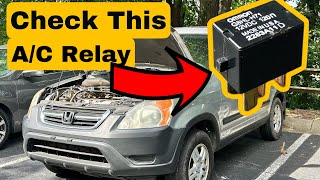
- Before condemning the compressor for not engaging, always check the A/C clutch relay first, as it's a common, inexpensive failure point.
- Honda acknowledged a defect with the A/C compressor clutch on 2007-2011 models by issuing Technical Service Bulletin 12-072.
Is Your CR-V's A/C Compressor Failing?

An A/C compressor failure on a 2002-2011 Honda CR-V isn't always straightforward. While some failures are simple, many are catastrophic, leading to a condition mechanics call 'Black Death.' It's critical to identify the symptoms early to understand the extent of the repair needed.
Common Symptoms of Failure
- A/C Blows Warm or Hot Air: This is the most obvious sign. If the compressor isn't engaging or can't build pressure, the refrigerant won't circulate to cool the air.
- Grinding or Rattling Noises: Loud grinding or rattling from the engine bay when the A/C is turned on often points to failing internal components of the compressor. This could be the beginning of a catastrophic failure.
- A/C Clutch Doesn't Engage: You should hear a distinct 'click' when you turn on the A/C, and you may see the center part of the compressor pulley start spinning. If it doesn't engage, the issue could be the clutch, a relay, or the compressor itself.
- Visible Leaks: The compressor has seals that can fail over time, leading to refrigerant and oil leaks. Look for a greasy, dirty residue on the compressor body.
The 'Black Death' Failure: A CR-V Catastrophe

The most significant and well-documented issue with the A/C system in the 2002-2011 Honda CR-V is a catastrophic compressor failure known as 'Black Death'. This isn't a simple worn-out part; the compressor violently self-destructs, sending metal shavings and a thick, black sludge throughout the entire A/C system.
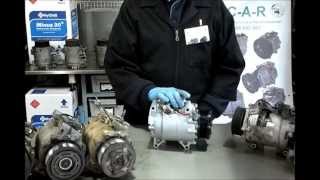
🎬 See what a 'Black Death' compressor failure looks like inside.This contamination clogs the condenser, expansion valve, and A/C lines. If this happens, simply replacing the compressor is not enough. The new compressor will quickly fail as it ingests the debris from the old one.
Warning: If your CR-V's A/C compressor has suffered a 'Black Death' failure, you MUST replace the compressor, condenser, receiver/drier (which is part of the condenser on these models), and expansion valve. All A/C lines must also be thoroughly flushed to remove any metal debris. Failure to do so will cause repeat failures.
Diagnosing the Problem

Before assuming the worst, perform a few simple checks:
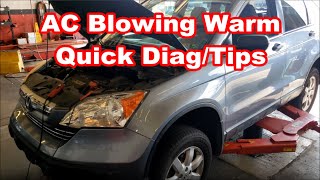
- Check the A/C Compressor Relay: A faulty relay can prevent the compressor clutch from engaging, mimicking a failed compressor. It's a common issue and an easy first step. You can swap the A/C clutch relay with an identical one (like the horn relay) in the under-hood fuse box to see if the compressor engages. 🎬 Watch: How to quickly test your A/C relay and fuse.
- Inspect the Clutch: With the engine off, visually inspect the A/C clutch on the front of the compressor. If it looks burnt or the rubber dampeners are melted, the clutch has failed.
- Check for 12V Signal: If the clutch isn't engaging, a mechanic can use a multimeter to check if the clutch is receiving a 12-volt signal to turn on. If there's no signal, the problem could be low refrigerant pressure or an electrical issue. If there is a signal, the clutch or compressor is likely bad.
Pro Tip: On 2007-2011 models, a faulty thermal protector switch on the compressor can cause intermittent A/C operation, especially when hot. This can be misdiagnosed as a failing compressor.
Buying a Used 2002-2011 CR-V A/C Compressor

Given the high cost of new parts, a used OEM compressor is a great value, but careful inspection is crucial, especially with these models.
- Verify the Failure of Your Old Part: Before buying, know WHY your old compressor failed. If it was a 'Black Death' event, you need a full kit, not just a used compressor. Ask your mechanic to inspect the old system for metal shavings.
- Spin the Pulley: The outer pulley should spin freely and smoothly by hand (when the clutch is not engaged). Any grinding or resistance indicates a bad bearing.
- Check the Clutch Plate: The inner clutch plate should not be wobbly. Try to turn it by hand. It should be difficult to turn but should move smoothly, not be seized solid.
- Inspect the Ports: Look inside the inlet and outlet ports. They should be clean and capped. Any sign of black, gritty material is a major red flag for internal contamination. Do not buy it.
- Ask About the Donor Vehicle: Inquire about the mileage of the vehicle the part came from. Lower mileage is always better. Also, ask if the A/C was working before the vehicle was dismantled.
- Warranty is Key: Only buy a used compressor that comes with a warranty. This protects you in case the part is defective.
A/C Compressor Replacement Cost
The cost can vary dramatically depending on whether the failure was a simple compressor burnout or the catastrophic 'Black Death' which requires replacing multiple components.
| Part/Service | Estimated Cost |
|---|---|
| New OEM Compressor | $650 - $1,275 |
| New Aftermarket Compressor | $200 - $400 |
| Remanufactured Compressor | $250 - $350 |
| Used OEM Compressor | $75 - $200 |
| Shop Labor (Compressor Only) | $315 - $462 |
| Shop Labor (Full 'Black Death' Repair) | $700 - $1,200+ |
Note: Prices are estimates and will vary by location and the specific parts required. Labor for a full system replacement is significantly higher due to the need to replace the condenser and expansion valve, the latter of which may require dashboard removal.
Official Recalls and Technical Service Bulletins (TSBs)
While there have been no formal recalls for the A/C compressor itself, Honda has acknowledged issues with the A/C compressor clutch.
- TSB 12-072 (For 2007-2011 CR-V): Honda issued a warranty extension for the A/C compressor clutch to 7 years or 100,000 miles. Symptoms covered included poor A/C performance, blowing warm air, or noise from the compressor area. While this warranty period has likely expired for most vehicles, the TSB is an official acknowledgment of a widespread defect in the clutch assembly.
- 'Black Death' (2002-2006 CR-V): While not an official TSB, the 'Black Death' compressor implosion is a widely known issue in the repair community for the second-generation CR-V.
Frequently Asked Questions (FAQ)
Can I just replace the A/C clutch and not the whole compressor?
Sometimes. If only the clutch has failed (due to a worn bearing or burnt-out electromagnetic coil), you can replace just the clutch kit (Part #38900-RZA-014 for some models). However, if the compressor has failed internally or the cost of labor makes it inefficient, replacing the entire compressor assembly is often the better long-term solution.
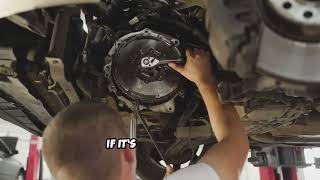
🎬 Watch: A step-by-step guide to diagnosing and repairing the clutch.Is replacing the A/C compressor a DIY job?
This is an advanced DIY job. While mechanically swapping the compressor is feasible for an experienced DIYer, the A/C system requires specialized equipment. It is illegal to vent refrigerant into the atmosphere. The system must be professionally evacuated before work begins and then properly vacuumed and recharged with a precise amount of refrigerant and oil after the repair. For this reason, it is rated as difficult.
My A/C works intermittently. Is the compressor bad?
It could be, but there are other possibilities. An intermittent issue could be a failing A/C clutch relay, a bad thermal protection switch on the compressor, or the system being slightly low on refrigerant, causing the pressure switch to cycle the compressor on and off. Proper diagnosis is key before replacing parts.
Why is a used OEM compressor better than a new cheap aftermarket one?
Used OEM (Original Equipment Manufacturer) compressors are built to Honda's original specifications for fit, performance, and durability. Many new, low-cost aftermarket compressors use inferior materials and manufacturing processes, leading to a much higher rate of premature failure, especially in a system as problematic as the CR-V's. A good, tested used OEM part is often more reliable than a brand-new, cheap alternative.
OEM Part Numbers
| Part Number | Fitment Notes |
|---|---|
| 38810-PNB-006 | Fits 2002-2006 Honda CR-V |
| 38810-RWC-A03 (replaces 38810-RWC-A02) | Fits 2010-2011 Honda CR-V |
| 38900-PNB-006 | Compressor Clutch Set (2002-2009) |
| 38900-RZA-014 | Compressor Clutch Kit (2007-2011) |
Helpful Videos
Technical Specifications
OEM Part Numbers: 38810-RWC-A03 38810-PNB-006 38810-RWC-A02 38900-PNB-006 38900-RZA-014
System requires professional evacuation and recharge with specific amounts of refrigerant (R-134a) and PAG 46 compressor oil.
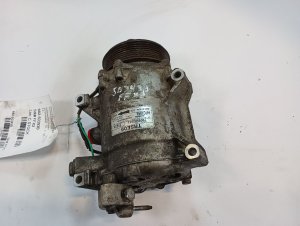
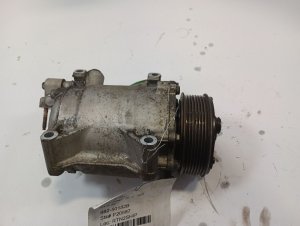
We Have This Part in Stock


The information in this article is provided for general reference and educational purposes only. Vehicle specifications, procedures, and part compatibility can vary by production date, trim level, and region. Always consult your vehicle's factory service manual and verify part numbers before purchasing or performing repairs. Safety-critical components such as airbags, seat belts, and braking systems should be installed by a qualified professional.
- Honda CR-V:
- 🎬 Helpful Videos
- 🛍️ Shop This Part
- Is Your CR-V's A/C Compressor Failing?
- Common Symptoms of Failure
- The 'Black Death' Failure: A CR-V Catastrophe
- Diagnosing the Problem
- Buying a Used 2002-2011 CR-V A/C Compressor
- A/C Compressor Replacement Cost
- Official Recalls and Technical Service Bulletins (TSBs)
- Frequently Asked Questions (FAQ)
- OEM Part Numbers
- 🎟️ Get 5% Off