

Ford Explorer, Taurus, Flex & More A/C Compressor Guide (2006-2019): Decoding the Complex Fitment
This guide covers the common failure symptoms and complex compatibility of the A/C compressor used in over a dozen Ford, Lincoln, and Mercury models, ensuring you get the right part the first time.
- Compatibility is extremely complex and depends on engine size, turbo vs. non-turbo, and the presence of a rear A/C system.
- Failure is most often indicated by warm air from the vents and/or grinding/squealing noises when the A/C is on.
- When replacing the compressor, you MUST also replace the receiver/drier and expansion valve/orifice tube to prevent premature failure of the new unit.
- Due to environmental regulations and the need for specialized equipment, this repair should be performed by a professional shop.
A/C Compressor Compatibility: A Critical First Step

This A/C compressor was used across many Ford, Lincoln, and Mercury vehicles, but compatibility is extremely specific and depends on the vehicle's year, engine, and options. Using the wrong compressor can lead to improper fitment, system damage, or A/C failure. Before purchasing, you must verify which version your vehicle requires.
Warning: The fitment information below is critical. Many of these vehicles had multiple engine options and A/C system configurations in the same year. Always match your vehicle's specifications to the correct compressor type.
Compatibility by Engine and A/C System Type
- 4.6L V8 Engine (with Rear A/C): This compressor fits the 2006-2010 Ford Explorer and 2006-2010 Mercury Mountaineer equipped with the 4.6L V8 engine AND auxiliary (rear) climate controls. It will not fit models without the rear A/C system.
- 4.0L V6 Engine (without Rear A/C): This version is for the 2006-2010 Ford Explorer, 2006-2010 Mercury Mountaineer, and 2007-2010 Ford Explorer Sport Trac with the 4.0L V6 engine. It is specifically for models that do NOT have the rear (auxiliary) air conditioning system.
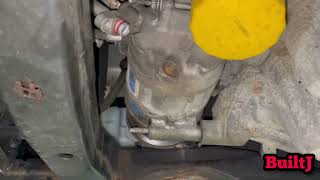
- 3.5L V6 (Non-Turbo) & 3.7L V6 Engines: This compressor fits a wide range of vehicles with the naturally aspirated (non-EcoBoost) 3.5L V6 or the 3.7L V6. This includes the 2013-2019 Ford Explorer, 2013-2019 Ford Taurus, 2013-2019 Ford Flex, 2013-2019 Ford Police Interceptor Sedan & Utility, 🎬 See this walkthrough for removing the compressor on 2015 models. 2013-2019 Lincoln MKT, and 2013-2016 Lincoln MKS. It will NOT fit 3.5L EcoBoost (turbocharged) models.
- 2.0L & 2.3L EcoBoost (Turbo) Engines: This compressor is for models equipped with the 2.0L or 2.3L turbocharged engines. For the 2013 Ford Explorer specifically, this part only fits vehicles built on or before September 3rd, 2012.
- 3.5L EcoBoost (Turbo) Engine: This version fits the 2013-2019 Ford Explorer and 2013-2019 Ford Taurus with the 3.5L turbocharged engine, specifically for models WITHOUT the Police Package. It also fits the 2013-2019 Lincoln MKT with the 3.5L EcoBoost engine. For the 2016 Taurus, this only fits vehicles built on or before January 3rd, 2016.
- 2014 Ford Fusion (1.5L Engine Only): Fitment for the Ford Fusion is extremely limited. It is for the 2014 model year with the 1.5L engine ONLY and requires matching the OEM part ID DA83-19D629-AF.
Symptoms of a Failing A/C Compressor

When the A/C compressor begins to fail, it will produce several distinct symptoms. Identifying them early can help you diagnose the problem correctly.
- Warm Air From Vents: This is the most common symptom. A failing compressor cannot properly pressurize the refrigerant, preventing the system from cooling the air.
- Unusual Noises: Grinding, rattling, or squealing sounds when the A/C is turned on often point to failing internal components, like bearings. A seized compressor may cause the serpentine belt to screech loudly.
- Compressor Clutch Not Engaging: The outer pulley of the compressor should spin with the engine belt, but the inner hub only engages when the A/C is on. If this clutch does not click on or engage, it can be a sign of a failed clutch, a bad relay, or low refrigerant pressure preventing the system from activating. 🎬 Watch: How to diagnose and repair a clutch that won't engage.
- Visible Refrigerant Leaks: The compressor has seals that can fail over time. You may notice a greasy, oily residue on the body of the compressor, which is the refrigerant oil leaking out.
- Frequent System Cycling: A compressor that turns on and off more frequently than usual can be a sign of an internal issue or incorrect refrigerant levels.
Known Issues, TSBs, and Recalls

While generally reliable, there are a few documented issues related to the A/C compressor and its surrounding components on these vehicles.
Recall: Wiring Harness Contact (2020 Explorer)
Ford issued recall 19S32 (NHTSA ID: 19V687000) for some 2020 Ford Explorer models. The engine wiring harness may not have been properly secured, allowing it to rub against the A/C compressor pulley. This could wear through the wire's insulation, leading to a short circuit and increasing the risk of a fire. Dealers will inspect the harness, secure it, and repair any damage.
Technical Service Bulletins (TSBs)
For some 2020-2023 Explorer and Aviator models, Ford has issued TSBs related to the A/C blowing warm air, sometimes accompanied by Diagnostic Trouble Code (DTC) P0645 (A/C Clutch Relay Control Circuit) in the HVAC module. This indicates an electrical fault in the compressor control circuit that should be professionally diagnosed.
Buying a Used A/C Compressor: What to Check

A used OEM A/C compressor can be a reliable and cost-effective alternative to an expensive new unit, especially when compared to lower-quality aftermarket parts. Here’s what to inspect before buying:
- Verify Part Numbers and Compatibility: This is the most important step. Use the compatibility guide above and match the OEM part number from your old compressor to the used unit. Ensure it's for the correct engine and A/C system configuration.
- Inspect the Clutch and Pulley: The outer pulley should spin smoothly by hand with minimal resistance. Try to turn the inner hub (the clutch plate) separately. It should be slightly more difficult to turn but should still rotate without grinding or catching. A seized inner hub means the compressor has failed internally.
- Check for Leaks or Damage: Look for any cracks in the compressor housing. A heavy coating of oily dirt, especially around the hose connections or the seams of the compressor body, indicates a past or present refrigerant leak.
- Examine the Electrical Connector: Ensure the plastic electrical connector is not cracked, broken, or corroded. The pins inside should be straight and clean.
- Confirm It Was Capped: A reputable seller will have capped or plugged the inlet and outlet ports to prevent moisture and debris from entering the compressor during storage. Internal contamination is a primary cause of premature failure.
Pro Tip: When replacing the compressor, it is critical to also replace the A/C receiver/drier (or accumulator) and the orifice tube (or expansion valve). Failure to do so can void warranties and cause the replacement compressor to fail quickly due to contamination from the old system.
Cost Breakdown
The cost to replace an A/C compressor can vary significantly based on the part source and labor rates. Professional installation is highly recommended due to the need for specialized refrigerant handling equipment.
| Part/Service | Estimated Cost | Notes |
|---|---|---|
| New OEM | $350 - $800+ | Highest cost, but guaranteed fit and quality. Prices from Ford dealerships are often on the higher end. |
| New Aftermarket | $175 - $400 | Wide range of quality. Available from retailers like AutoZone and PartsGeek. |
| Used OEM | $75 - $200 | A cost-effective option that retains original manufacturer quality. Prices vary by seller and condition. |
| Remanufactured | $150 - $350 | An old OEM unit that has been rebuilt with new seals and bearings. Quality can vary. |
| Shop Labor | $200 - $500 | Includes recovering old refrigerant, flushing the system, installing the new parts, pulling a vacuum, and recharging the system. |
| Total Professional Job | $800 - $1,500+ | This is a typical all-in cost at a repair shop using a new part. |
Frequently Asked Questions
Do I have to replace other parts with the compressor?
Yes. To ensure the longevity of your new compressor, you must replace the receiver/drier (or accumulator) and the expansion valve (or orifice tube). These components trap moisture and debris. If the old compressor failed internally, metal shavings may have contaminated the entire system, which will require a full system flush.
Can I just replace the A/C compressor clutch?
Sometimes, but it's often not practical. If only the clutch coil has failed or the bearing is noisy, a clutch replacement is possible. However, if the compressor has seized internally, replacing only the clutch will not solve the problem. The cost of a clutch kit plus the special tools required often makes replacing the entire compressor assembly a more sensible repair.
Why did my A/C compressor fail?
The most common cause of failure is the loss of refrigerant due to a leak somewhere else in the system. The refrigerant carries the lubricating oil; without it, the compressor runs dry and seizes. Other causes include old age, a failed clutch, or internal component wear.
Can I do this replacement myself?
This is considered an advanced DIY repair. While the mechanical steps of unbolting the compressor are manageable, handling refrigerant requires specialized and expensive equipment (recovery machine, vacuum pump, gauges). It is illegal to release refrigerant into the atmosphere. For these reasons, professional installation is strongly recommended.
Helpful Videos

Technical Specifications
OEM Part Numbers: 6L2Z-19703-AA 6L2Z-19703-EA 6L2Z19703DA 6L2Z19703HA 8L2Z19703D 8L3Z19703A 8L3Z19703B 9L2Z-19703-A 9L2Z19703B 9L2Z19703C 9L2Z19703D AL2Z19703A BB5319D629CB BB5319D629CC BB5319D629DA
Uses PAG 46 refrigerant oil. System refrigerant type is R-134a.
We Have This Part in Stock



The information in this article is provided for general reference and educational purposes only. Vehicle specifications, procedures, and part compatibility can vary by production date, trim level, and region. Always consult your vehicle's factory service manual and verify part numbers before purchasing or performing repairs. Safety-critical components such as airbags, seat belts, and braking systems should be installed by a qualified professional.
- Ford Explorer:
- Ford Taurus:
- Lincoln MKT:
- Ford Explorer Sport Trac:
- Ford Flex:
- Ford Police Interceptor Utility:
- Lincoln MKS:
- Mercury Mountaineer:
- Ford Fusion:
- Ford Police Interceptor Sedan:
- Lincoln Continental:
- Lincoln MKZ:
- 🎬 Helpful Videos
- 🛍️ Shop This Part
- A/C Compressor Compatibility: A Critical First Step
- Compatibility by Engine and A/C System Type
- Symptoms of a Failing A/C Compressor
- Known Issues, TSBs, and Recalls
- Recall: Wiring Harness Contact (2020 Explorer)
- Technical Service Bulletins (TSBs)
- Buying a Used A/C Compressor: What to Check
- Cost Breakdown
- Frequently Asked Questions
- 🎟️ Get 5% Off