

Audi 4.2L V8 & 3.0T A/C Compressor Guide (2008-2019 S4, S5, Q5 & More)
Diagnose common A/C problems, from a simple sensor to complete compressor failure, for B8 and B9 platform Audis like the S4, S5, Q5, A4, and more.
- Before replacing the compressor, always diagnose cheaper parts first, especially the A/C pressure switch and the compressor control valve (N280).
- Verify your vehicle's refrigerant type (R134a or R1234yf) via the under-hood sticker. They are not interchangeable.
- For many 2017-2021 models, a leaking evaporator is a known issue with a warranty extension (TSB AWA 21-01). Check this before assuming the compressor is bad.
- Replacement is not a DIY job. It requires certified handling of refrigerant and specialized A/C service equipment.
Vehicle & A/C Compressor Compatibility Guide

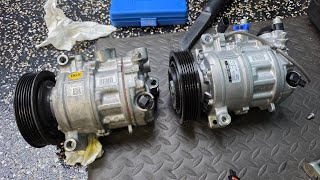
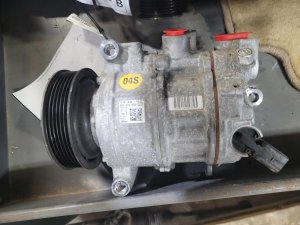
This A/C compressor is shared across a wide range of Audi vehicles, but compatibility is highly specific to your car's platform, engine, and model year. Using the wrong compressor can lead to system damage. There are three main groups of vehicles covered by this guide.
Group 1: B8 Platform with 4.2L V8 Engine
These models use a Denso 7SEU17C style compressor. They exclusively use R134a refrigerant.
- 2008-2012 Audi S5
- 2013-2015 Audi RS5
| Specification | Part Number |
|---|---|
| Primary OEM Part Number | 8K0260805H |
| Supersedes | 8K0260805B |
Group 2: B8 & B8.5 Platform with 3.0T Supercharged V6 Engine
These models also use R134a refrigerant. Part numbers can vary, so matching the number from your original part is critical.
- 2013-2017 Audi S4
- 2013-2017 Audi S5 (Coupe & Cabriolet)
- 2013-2017 Audi Q5
- 2014-2017 Audi SQ5 🎬 Watch: Full A/C compressor replacement walkthrough for B8.5 models
| Specification | Part Number |
|---|---|
| Common OEM Part Numbers | 8T0260805G, 8T0260805Q |
Group 3: B9 / MLB Evo Platform with 2.0T & 3.0T Turbo Engines
This is the most complex group. These models use a Denso 6SES14C style compressor. Critically, they could be equipped with either R134a or the newer R1234yf refrigerant. You MUST verify which refrigerant your specific vehicle uses by checking the sticker under the hood before purchasing a compressor or refrigerant.
- 2017-2019 Audi A4 / S4
- 2018-2019 Audi A5 / S5
- 2019 Audi A6 Quattro
- 2019 Audi A7 Sportback
- 2017-2019 Audi Q5
- 2017-2019 Audi Q7
| Specification | Part Number |
|---|---|
| Primary OEM Part Number | 4M0820803A |
| Common Revisions / Supersessions | 8W0816803A, 8W0820803A, 8W5820803A |
| Denso Part Number | DCP02106 |
Warning: Before ordering, always verify your vehicle's refrigerant type. A sticker in the engine bay (often on the radiator support) will specify either R134a or R1234yf. The systems are not cross-compatible and use different service ports and oils.
Symptoms of a Failing A/C Compressor

A failing A/C compressor can present several symptoms. However, because these are sophisticated systems, these symptoms can also be caused by less expensive components.
- Warm Air From Vents: The most obvious sign is a lack of cold air, even when the A/C is set to max cold. This indicates the compressor is not effectively pressurizing the refrigerant.
- Unusual Noises: Grinding, whining, or rattling sounds from the engine bay that start or change when you turn the A/C on. These noises often point to failing internal bearings or other mechanical parts of the compressor.
- Visible Leaks: The compressor body may show signs of leaking refrigerant oil (PAG oil). This will look like a greasy, dirty film on the compressor housing.
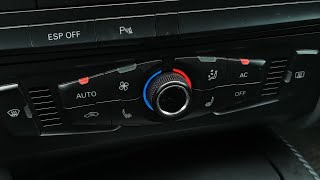
- Blinking A/C Light: On many Audis, if the system detects a fault (like incorrect pressure from a bad sensor or a failing compressor), the A/C button light on the climate control panel will blink instead of staying solid.
Diagnosing A/C Problems: It Might Not Be the Compressor

Before spending hundreds or thousands on a new compressor, it's crucial to diagnose the system properly. Many times, a much cheaper part is the actual culprit.
1. A/C Pressure Switch / Sensor
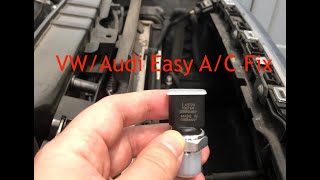
A faulty A/C pressure switch is a very common issue on these Audis. This sensor tells the engine computer the pressure within the A/C system. If it fails, the computer may think the pressure is too high or too low and will prevent the compressor from engaging as a safety measure. This can perfectly mimic the symptoms of a dead compressor. This sensor is relatively inexpensive and often easy to access at the front of the car, near the condenser.
🎬 Watch: Step-by-step guide to replacing the A/C pressure sensor2. A/C Compressor Control Valve (N280)
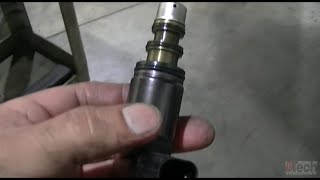
This electronic solenoid on the compressor itself is another frequent failure point. Since these are clutchless compressors, this valve does all the work of controlling refrigerant flow. It can get stuck or fail electronically. In many cases, if the compressor is mechanically sound (i.e., not making grinding noises or full of metal shavings), you can replace just the control valve. 🎬 See how to test the N280 compressor control valve This requires evacuating the system but is much cheaper than replacing the entire compressor assembly.
Pro Tip: Before replacing just the control valve, a mechanic should check the old refrigerant oil for signs of metal particles (a condition known as "black death"). If metal is present, the compressor has failed internally and the entire unit must be replaced, along with a full system flush. Installing a new valve on a grenaded compressor will just lead to another failure.
Known Issues: Leaking Evaporator TSB

Audi has issued Technical Service Bulletin (TSB) AWA 21-01 (NHTSA ID: 10187510-0001) which extends the warranty on the A/C evaporator for certain models due to leaks. A slow leak in the evaporator will cause the system to lose refrigerant over time, leading to poor cooling. This can be mistaken for a failing compressor.
- Affected Vehicles: 2017-2021 A4/S4/Q7 and 2018-2021 A5/S5/Q5.
- Symptom: The A/C system is low on refrigerant without an obvious leak in the engine bay.
- Action: If you own one of these vehicles and your A/C is not cold, have a dealer check if your vehicle is covered under this warranty extension before paying for repairs. The TSB outlines specific procedures for detecting evaporator leaks.
Buying a Used A/C Compressor: What to Check

A used OEM Denso compressor from a low-mileage vehicle can be a reliable and cost-effective alternative to expensive new parts or questionable aftermarket units. Here’s what to look for.
- Verify the Part Number: Match the OEM part number from your original compressor exactly. Use the tables above as a guide.
- Inspect the Pulley: Spin the pulley by hand. It should spin smoothly with a slight resistance but no grinding or roughness.
- Check the Ports: Look inside the refrigerant ports. They should be clean and oily. Avoid any compressor with black, gritty residue, which indicates catastrophic internal failure ("black death").
- Examine the Connector: Ensure the electrical connector for the control valve is not cracked, corroded, or damaged.
- Confirm Compatibility: Double-check that the compressor is from a vehicle with the same engine and, for newer models, the same refrigerant type (R134a vs. R1234yf).
Cost to Replace Audi A/C Compressor
The cost can vary significantly based on the part source and labor rates. Replacing the compressor is labor-intensive and requires special equipment.
| Part / Service | Estimated Cost | Notes |
|---|---|---|
| New OEM | $1,150 - $1,650 | Highest cost, but guaranteed fit and quality. |
| New Aftermarket (Denso/Nissens) | $600 - $750 | Denso is the original equipment supplier, offering OEM quality. |
| Used OEM | $100 - $275 | High value, but requires careful inspection before purchase. |
| Shop Labor | $400 - $900 | Includes system evacuation, recharge, and replacement of related parts. |
| Total Job (Shop Installed) | $1,200 - $2,000+ | Using a new OEM or aftermarket part. |
Frequently Asked Questions (FAQ)
Can I just replace the A/C compressor clutch?
No. These Audi models use clutchless, variable displacement compressors. There is no separate clutch to replace. The function is handled by the internal electronic control valve (N280).
Do I have to replace the receiver/drier when I replace the compressor?
Yes, absolutely. The receiver/drier (also called an accumulator or desiccant bag) absorbs moisture from the refrigerant. Whenever the A/C system is opened to the atmosphere, the desiccant becomes saturated and must be replaced. Failure to do so can lead to corrosion and premature failure of the new compressor. Most warranties for new compressors are void if the receiver/drier is not replaced at the same time.
What is the difference between R134a and R1234yf refrigerant?
R134a was the industry standard for many years. R1234yf is a newer refrigerant with a much lower Global Warming Potential (GWP) to meet environmental regulations. R1234yf is significantly more expensive and is classified as mildly flammable, requiring special service equipment. The two are not interchangeable.
Can I replace the A/C compressor myself?
This is not recommended for DIY mechanics. Legally, you must be certified (EPA Section 609 in the US) to handle and purchase automotive refrigerants. The job requires expensive, specialized equipment including a refrigerant recovery machine, a vacuum pump, and a charging manifold. Improperly handling refrigerant is harmful to the environment and can cause severe injury (frostbite). Incorrectly charging the system can also damage the new compressor.
Helpful Videos

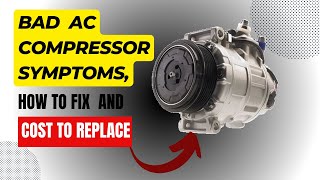
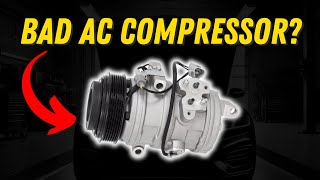
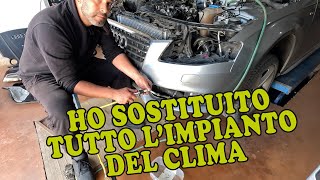
Technical Specifications
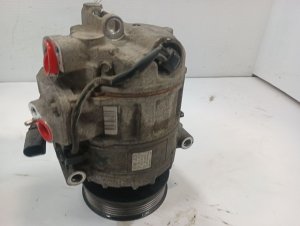
OEM Part Numbers: 4M0820803A 8K0260805B 8K0260805H 8T0260805G 8T0260805Q 8W0816803A 8W0820803A 8W5820803A
Compressor Manufacturer: Denso. Type: Variable Displacement (Clutchless). Control: Electronic via N280 control valve. Refrigerant: R134a or R1234yf (varies by model year). Oil: PAG 46 or PAG 46 YF.
We Have This Part in Stock





The information in this article is provided for general reference and educational purposes only. Vehicle specifications, procedures, and part compatibility can vary by production date, trim level, and region. Always consult your vehicle's factory service manual and verify part numbers before purchasing or performing repairs. Safety-critical components such as airbags, seat belts, and braking systems should be installed by a qualified professional.
- Audi S5:
- Audi S4:
- Audi A4:
- Audi A5:
- Audi A6 Quattro:
- Audi A7 Sportback:
- Audi Q5:
- Audi Q7:
- Audi RS5:
- Audi SQ5:
- 🎬 Helpful Videos
- 🛍️ Shop This Part
- Vehicle & A/C Compressor Compatibility Guide
- Group 1: B8 Platform with 4.2L V8 Engine
- Group 2: B8 & B8.5 Platform with 3.0T Supercharged V6 Engine
- Group 3: B9 / MLB Evo Platform with 2.0T & 3.0T Turbo Engines
- Symptoms of a Failing A/C Compressor
- Diagnosing A/C Problems: It Might Not Be the Compressor
- 1. A/C Pressure Switch / Sensor
- 2. A/C Compressor Control Valve (N280)
- Known Issues: Leaking Evaporator TSB
- Buying a Used A/C Compressor: What to Check
- Cost to Replace Audi A/C Compressor
- Frequently Asked Questions (FAQ)
- 🎟️ Get 5% Off