

Audi A/C Compressor (2013-2025): Decoding Engine & Refrigerant Traps for A4, Q7, A6 & More
Don't buy the wrong A/C compressor for your Audi—this guide demystifies the critical differences between engines and refrigerant types across the A4, A5, A6, Q5, Q7, Q8, and Allroad.
- Compatibility is critical: You must match the compressor to your vehicle's engine (2.0L vs 3.0L) and refrigerant type (R134a vs R1234yf). Check the under-hood sticker for your refrigerant type.
- A catastrophic failure ('black death') requires more than just a compressor swap. You must also flush the system and replace the condenser and receiver/drier to prevent immediate failure of the new part.
- What seems like a compressor failure can sometimes be a simpler issue like a bad pressure sensor, a wiring fault, or a faulty climate control module. Proper diagnosis is key.
- Replacement is not a beginner DIY job. It requires specialized equipment to safely and legally handle refrigerant, and access to the compressor can be very difficult.
Symptoms of a Failing A/C Compressor

A bad A/C compressor will give several warning signs before it fails completely. If you notice any of these, it's time to investigate before a small problem becomes a major repair.
- Warm Air From Vents: This is the most obvious symptom. If the air from your vents is only slightly cool or blows warm, the compressor may not be pressurizing the refrigerant correctly.
- Strange Noises: Listen for noises that appear only when the A/C is turned on. A grinding or rattling sound can indicate failing internal parts or bearings. A high-pitched squeal might point to a seized bearing or a slipping belt.
- Visible Leaks: The compressor has seals that can fail over time, leading to refrigerant leaks. While refrigerant is mostly invisible, it is mixed with oil that can attract dirt and leave a greasy residue on the compressor body.
- Compressor Clutch Not Engaging: On models with a clutch, you should hear a distinct 'click' when the A/C is turned on, and you can see the center part of the pulley start to spin. If it doesn't engage, it could be an electrical issue, a failed clutch coil, or the system may be too low on refrigerant to allow it to turn on.
- Inconsistent Cooling: Air that cycles between cold and warm can point to a failing compressor control valve (solenoid) or a system that is low on refrigerant, causing the compressor to cycle on and off frequently.
Known Issues, TSBs, and Recalls

While there are no widespread recalls for this specific A/C compressor, several known issues and Technical Service Bulletins (TSBs) exist that can be misdiagnosed as a compressor failure.
- Leaking A/C Pressure Sensor (G395): TSB A871449 / 2020124 notes that on some 2013 A4, S4, A5, S5, and Q5 models, the A/C pressure sensor can leak. This causes a loss of refrigerant and prevents the compressor from activating.
- Evaporator Leaks: A TSB for many 2017-2025 Audi models, including the A4, Q5, and Q7, points to the A/C evaporator as a potential source of leaks. This is a difficult repair and can be mistaken for a bad compressor.
- Faulty Control Module: In some cases, particularly on 2019 A6 models, a faulty climate control module can prevent the A/C system from working, leading to a misdiagnosis of compressor failure. A proper diagnostic scan can reveal error codes specific to the control module.
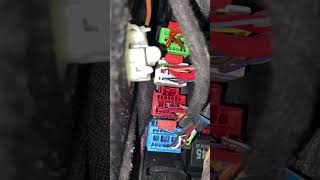
- Wiring Issues: Some 2017 Q7 owners have reported "no signal" faults from the high-pressure A/C sensor, caused by a break in the wiring harness. 🎬 Watch: Troubleshooting Q7 pressure sensor wiring and signal faults. This prevents the compressor from turning on.
Buying a Used A/C Compressor: What to Check

A used OEM compressor can be a great value, often costing a fraction of a new part. However, it's crucial to buy a quality part to avoid doing the job twice. Here's what to inspect:
Warning: The single most important step is verifying compatibility. You MUST match the compressor to your vehicle's specific engine and refrigerant type. An incorrect compressor will not fit or will not function correctly.
How to Verify Compatibility
- Engine Size: Compressors for the 2.0L 4-cylinder turbo engine are different from those for the 2.9L/3.0L V6 turbo/supercharged engines. They are not interchangeable.
- Refrigerant Type: This is a critical trap. Earlier models use R134a refrigerant, while later models (roughly 2017+) switched to R1234yf. The compressors are designed for different pressures and use different oils. Using the wrong one will lead to system failure. Check the sticker under your hood to confirm which refrigerant your vehicle uses before ordering.
- Part Numbers: Cross-reference the OEM part number from your original compressor with the numbers on the used unit. Key OEM numbers include 4M0816803, 4M0820803, and 8T0260805E, but many variations exist.
Physical Inspection Checklist
- Spin the Pulley: The pulley should spin smoothly by hand with a slight resistance but no grinding, roughness, or wobbling. A rough or noisy bearing means the part is no good.
- Check the Ports: Look inside the inlet and outlet ports. If you see any metallic shavings or a black, sludgy residue (often called "black death"), the compressor failed internally. Do NOT buy it. This contamination has likely spread throughout the donor car's A/C system.
- Inspect for Damage: Check the compressor body for cracks, heavy corrosion, or signs of leaking oil. Ensure the electrical connector and mounting points are intact and not broken.
- Ask About the Donor Vehicle: If possible, find out the mileage of the vehicle the compressor came from. A lower-mileage part is always preferable. Also, ask why the vehicle was taken off the road. A part from a collision-damaged vehicle is often a better bet than one from a car that was scrapped for mechanical issues.
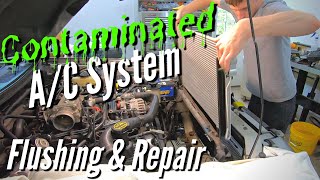
Pro Tip: When replacing a compressor, especially if the old one failed internally, you MUST also replace the receiver/drier (or desiccant bag) and the expansion valve. You should also flush the A/C lines and evaporator to remove any old oil and potential debris. Skipping this step 🎬 See how to properly flush and recharge a contaminated system. will cause your replacement compressor to fail quickly.
Cost of Replacement
The cost to replace an Audi A/C compressor can vary significantly based on the parts used and who performs the labor.
| Part/Service | Estimated Cost | Notes |
|---|---|---|
| New OEM (Dealer) | $1,100 - $1,900 | Highest cost, but guaranteed fit and latest revisions. |
| New Aftermarket (OEM Supplier) | $650 - $850 | Often made by the same company as the OEM part (e.g., Denso). Excellent quality and value. |
| Used OEM | $150 - $400 | A high-quality, low-mileage used part offers the best value, provided it is inspected carefully. |
| Remanufactured | $300 - $550 | A rebuilt original unit. Quality can vary by rebuilder. |
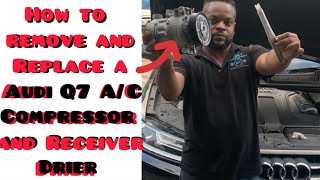
| Shop Labor | $450 - $900+ | Labor includes evacuating the old refrigerant, replacing the part, vacuuming the system, and recharging with new refrigerant. This can be a 4-6 hour job. | 🎬 Watch: Step-by-step A/C compressor and receiver drier replacement walkthrough.
| Total Professional Replacement | $1,200 - $3,500+ | Total cost using new parts at a dealership or independent shop. |
Frequently Asked Questions (FAQ)
Can I replace just the A/C compressor clutch or control valve?
On these Audi models, the compressor, clutch, and pulley are often sold as a single assembly. While the electronic control valve (solenoid) can sometimes be replaced separately, it can be difficult to source and replace. If the compressor's internal bearings or seals have failed, replacing just the clutch or valve will not solve the problem.
Do I have to flush the A/C system when replacing the compressor?
Yes, it is highly recommended, and mandatory if your old compressor failed internally. Failure to flush the system and replace the receiver/drier and expansion valve will leave contaminants that will destroy the replacement compressor, often voiding its warranty.
My A/C is blowing warm, but the compressor seems fine. What else could it be?
The most common cause for an A/C system to stop cooling is a simple loss of refrigerant from a leak somewhere in the system. This could be a leaking hose, condenser, evaporator, or pressure sensor. Before condemning the compressor, the system should be professionally tested for leaks using UV dye or a refrigerant sniffer.
What is the difference between R134a and R1234yf refrigerant?
R1234yf is a newer, more environmentally friendly refrigerant that replaced R134a. The two are not compatible. Systems designed for R1234yf operate at different pressures and use a different type of lubricant oil. You must use the correct refrigerant and a compatible compressor for your vehicle. Check the label under the hood to be sure.
Helpful Videos
Technical Specifications
OEM Part Numbers: 4M0816803 4M0816803F 4M0820803 4M0820803A 4M0820803M 8T0260805E 8T0260805N 8W0816803A 8W0820803A 8W5820803A PAB81680310 PAB820803 PAB820803AX
Variable displacement type. Uses either R134a or R1234yf refrigerant depending on model year and specific vehicle configuration. Driven by the engine's serpentine belt. Controlled by an electronic solenoid valve.
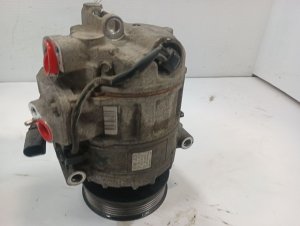
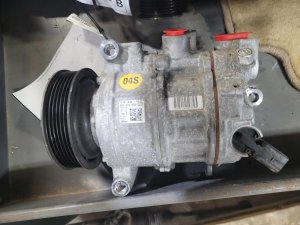
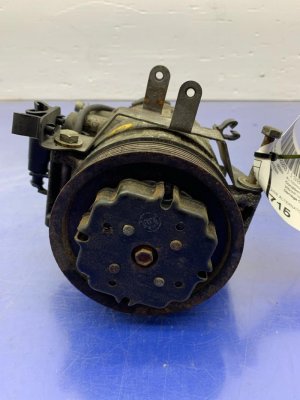
We Have This Part in Stock




The information in this article is provided for general reference and educational purposes only. Vehicle specifications, procedures, and part compatibility can vary by production date, trim level, and region. Always consult your vehicle's factory service manual and verify part numbers before purchasing or performing repairs. Safety-critical components such as airbags, seat belts, and braking systems should be installed by a qualified professional.
- Audi Q7:
- Audi A4:
- Audi A5:
- Audi A6:
- Audi Q8:
- Audi A6 Quattro:
- Audi A7:
- Audi A7 Sportback:
- Audi allroad:
- Audi Q5:
- Audi S4:
- Audi S5:
- Porsche Cayenne: