

Audi A4, A5, Q5 & More (2002-2017) A/C Compressor: Failure, Diagnosis & Replacement
This guide covers common A/C compressor failures, symptoms, and critical differences between Audi B6, B7, and B8 platform vehicles.
- This guide covers three different vehicle generations (B6, B7, B8); parts are NOT interchangeable. Verify your platform and OEM part number before buying.
- On B8 models (2009+), a faulty electronic control valve or A/C pressure sensor (G395) can mimic a failed compressor and should be checked first.
- If a compressor fails internally, you MUST also replace the receiver/drier and expansion valve and flush the system to prevent immediate failure of the new part.
- Replacement is not a DIY job as it requires specialized equipment to handle refrigerant legally and safely.
Symptoms of a Failing A/C Compressor
A bad A/C compressor in your Audi A4, A5, Q5, or S-model will make itself known quickly, especially in warm weather. While some symptoms can also point to other issues like refrigerant leaks or sensor failures, these are the most common signs that the compressor itself is the culprit.
- A/C Blows Warm or Lukewarm Air: This is the most obvious symptom. The compressor is no longer able to properly pressurize the refrigerant, so the system can't remove heat from the cabin.
- Loud Noises from the Engine Bay: A failing compressor often makes noise when the A/C is turned on. Listen for a grinding or rattling sound, which points to failing internal bearings, or a loud squealing or whining, which can indicate a seized part causing the serpentine belt to slip.
- Rapid Clicking or Cycling: You may hear the compressor clutch rapidly clicking on and off. This can be a sign that the system is low on refrigerant, but it can also indicate a failing clutch or an electrical problem preventing it from staying engaged.
- Visible Refrigerant Oil Leaks: The compressor contains seals that can fail over time. Since refrigerant is mixed with a special lubricant (PAG oil), a leak will often look like a greasy, grimy residue on the body of the compressor or on nearby components.
- Stuck 'ECON' Light (B6/B7 models): On older A4 models, the system may default to 'ECON' mode and prevent you from turning it off. This is a protective measure taken by the climate control module when it detects a fault, which is frequently related to the compressor or system pressure.
Compatibility and Known Issues by Vehicle Generation
The wide range of vehicles covered in this guide (2002-2017) spans three distinct Audi platforms: B6, B7, and B8. The A/C compressors are NOT interchangeable between these generations. It is critical to identify your vehicle's platform to get the correct part.
B6 & B7 Platforms (2002-2008 Audi A4, 2009 Seat Exeo)
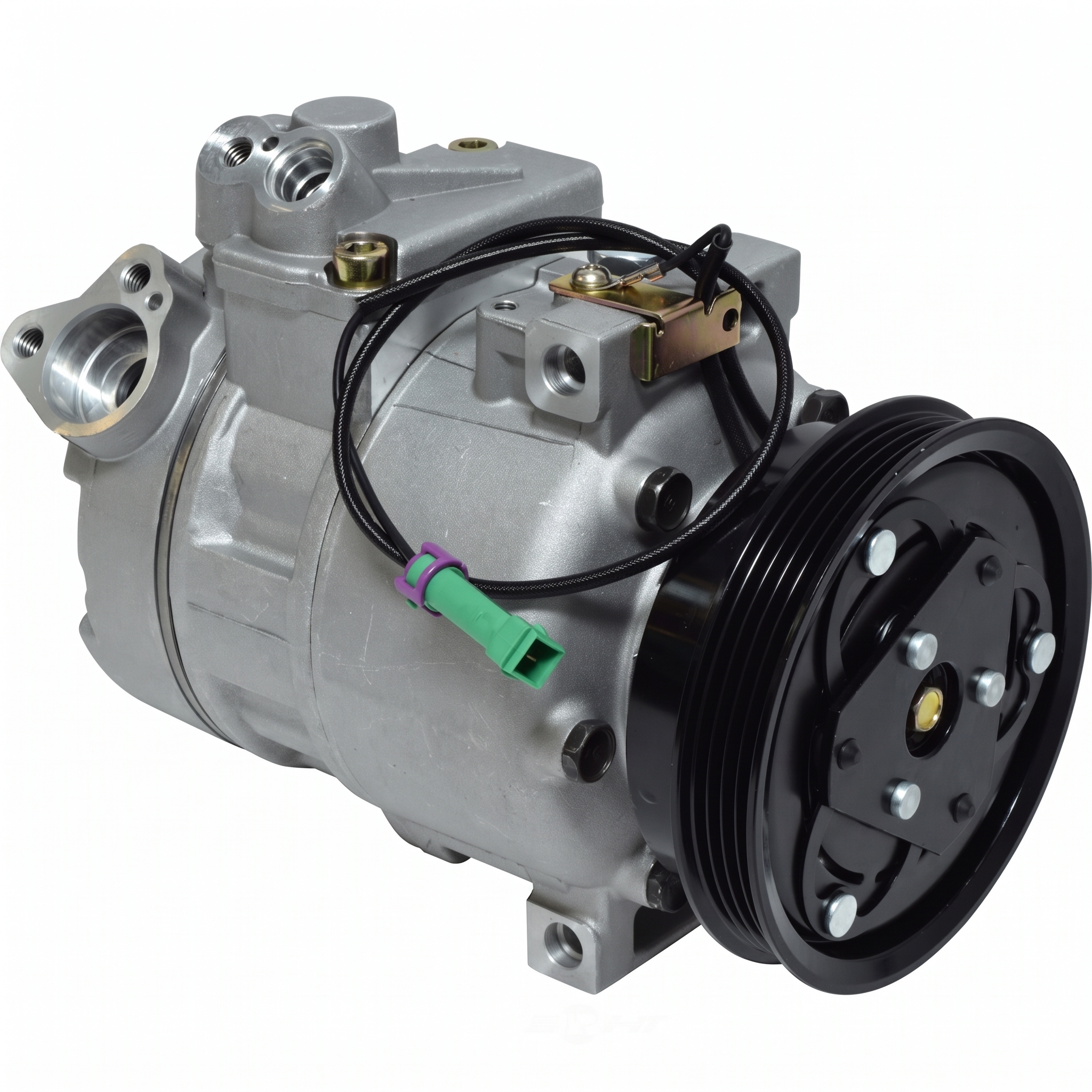
These vehicles use a traditional A/C compressor with a magnetic clutch. When you turn the A/C on, this clutch engages to spin the compressor's internals. A/C problems on these cars are common.
- Common Part Numbers: 8E0260805BP, 8E0260805BS, 8E0260805F, 8E0260805S, 8E0260805AJ
- Known Issue - Catastrophic Failure: If the compressor fails internally, it can send metal shavings throughout the entire A/C system. If this happens, you must replace the A/C condenser (with integrated receiver/drier) and expansion valve, and thoroughly flush all A/C lines. Failure to do so will cause the metal debris to destroy the replacement compressor almost immediately.
- Known Issue - Electrical Faults: A common symptom is the A/C clutch failing to engage, which can be caused by a blown fuse, bad relay, or a faulty pressure switch, not just a bad compressor. An error code like P0645 often points to an issue in the compressor's electrical circuit.
- Fitment Warnings: Fitment can be highly specific. For example, 2003 A4 fitment depends on the VIN. For 2009, the B7-style compressor only fits the A4 Convertible (Cabriolet), not the newer B8-platform Sedan and Wagon models. Always verify your original part number.
B8 & B8.5 Platforms (2009-2017 Audi A4, A5, Q5, S4, S5, SQ5)
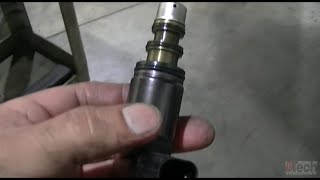
These newer models use a more advanced variable displacement compressor that does not have a traditional magnetic clutch. Instead, it runs continuously and its output is managed by an electronic A/C Compressor Regulator Valve (N280) 🎬 Watch: How to test the N280 regulator valve.
- Common Part Numbers: 8K0260805E, 8K0260805L, 8T0260805E
- Known Issue - Regulator Valve Failure: The most common failure on these compressors is not the compressor itself, but the electronic regulator valve. A faulty valve will cause the compressor to stop pumping, resulting in warm air. In some cases, just the valve can be replaced, but it is often sold as part of a new or remanufactured compressor.
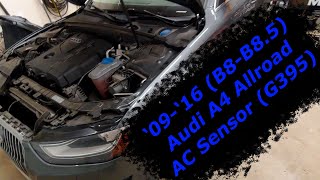
- Known Issue - A/C Pressure Sensor (G395): A faulty A/C Pressure/Temperature Sensor (G395) 🎬 Watch: How to replace the G395 sensor is a very common problem that perfectly mimics a failed compressor. It can send bad signals to the car's computer, which then prevents the compressor from activating as a safety measure. This is a known issue covered by Technical Service Bulletins (TSBs) and is much cheaper to replace than the entire compressor. Always consider this sensor as a likely culprit.
- Known Issue - Leaking Evaporator Core: On the B8/B8.5 A4 and A5, a refrigerant leak from the evaporator core (located deep inside the dashboard) is a frequent problem. This causes the system to lose refrigerant and stop cooling, a symptom often misdiagnosed as a bad compressor. A proper leak test is essential before replacing the compressor.
Buying a Used A/C Compressor: What to Check
A quality used OEM compressor can be a reliable and cost-effective alternative to expensive new units, especially when compared to cheap, unproven aftermarket brands. However, careful inspection is key.
- Verify the Part Number: This is the most important step. Clean off your original compressor and find the OEM part number sticker or stamping. Match it exactly to the used part you are considering. Small letter differences at the end can indicate critical variations.
- Check the Pulley and Clutch (if applicable): Spin the pulley by hand. It should rotate smoothly and quietly. Any grinding, roughness, or wobble indicates bad bearings. On older models, inspect the magnetic clutch plate for heat damage or cracks.
- Inspect for Leaks: Look for any oily, grimy residue on the compressor body, especially around the seals and where the two halves of the case meet. This is a clear sign of a refrigerant oil leak. The ports should be capped to prevent moisture and debris from entering.
- Ask About the Donor Vehicle: If possible, find out why the donor vehicle was taken off the road. A compressor from a collision-damaged car is a much better bet than one from a car that was scrapped due to mechanical failure, as the A/C system may have been the problem.
- Consider Mileage: While not a guarantee of condition, a compressor from a lower-mileage vehicle (under 120,000 miles) is generally a safer choice.
Pro Tip: For B8 platform cars, a used compressor with a known-good regulator valve is often a better choice than a new aftermarket unit of questionable quality. The OEM Denso compressors are built to a high standard.
Replacement Overview & Difficulty
Replacing the A/C compressor is an advanced job that is not recommended for most DIY mechanics.
- Difficulty: 4 out of 5
- Specialized Tools Required: The job requires an A/C recovery and recharge machine to handle the refrigerant safely and legally. Manifold gauges are also needed for proper diagnosis.
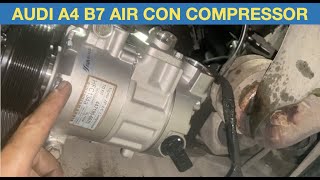
- Serpentine Belt Removal: The compressor is driven by the serpentine belt, which must be removed. On many of these models, this requires putting the front of the car into the 'service position' 🎬 See this step-by-step compressor replacement walkthrough to gain access.
- Critical System Flush: As mentioned, if the old compressor failed internally, the entire system must be flushed and critical components like the receiver/drier (often part of the condenser on B8 models) and expansion valve MUST be replaced. Skipping this step will void the warranty on most replacement compressors and lead to repeat failure.
Warning: Refrigerant is hazardous and regulated by the EPA. It is illegal to release it into the atmosphere. This job should be performed by a certified technician with the proper equipment.
Cost Comparison
| Part or Service | Estimated Cost |
|---|---|
| New OEM Compressor | $1,000 - $1,700 |
| New Aftermarket Compressor | $250 - $600 |
| Used OEM Compressor | $75 - $250 |
| Remanufactured Compressor | $200 - $450 |
| Shop Labor (Replacement & Recharge) | $250 - $650 |
| Shop Labor (Full System Flush & Component Replacement) | $500 - $1,000+ |
Frequently Asked Questions (FAQ)
Can I just replace the A/C clutch or the control valve?
On older B6/B7 models, clutch replacement kits are available, but if the compressor is old, it's often better to replace the whole unit. On newer B8 models, the electronic control valve can sometimes be replaced separately, but it can be difficult to access and many shops recommend replacing the entire compressor assembly.
My A/C is blowing warm. Does that automatically mean the compressor is bad?
No. The most common cause of warm A/C is a simple refrigerant leak. On these Audis, it could also be a faulty pressure sensor, a blown fuse, a bad relay, or a failed climate control module. Proper diagnosis is essential before spending money on a new compressor.
What happens if the compressor seizes while I'm driving?
If the compressor's internal parts or pulley bearing seize, the pulley will stop spinning. This will cause the serpentine belt to shred or snap, often with a cloud of smoke. When the belt breaks, you will immediately lose power steering and the alternator will stop charging the battery, leaving you stranded.
Why do I have to replace the receiver/drier and expansion valve too?
The receiver/drier contains a desiccant material that absorbs moisture from the refrigerant. Any time the system is opened to the air, this material becomes saturated and must be replaced. The expansion valve is a small metering device that can easily get clogged by debris from a failed compressor. Replacing these parts is cheap insurance to protect your new compressor.
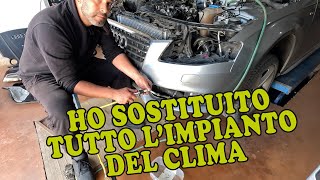
Helpful Videos
Technical Specifications
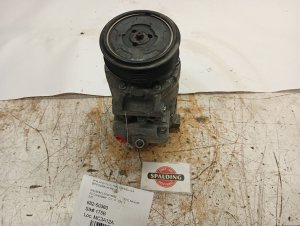
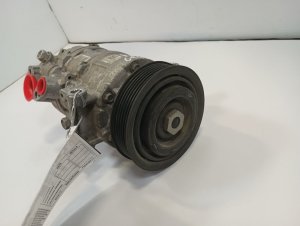
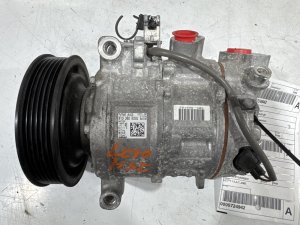
OEM Part Numbers: 4B0260805H 8E0260805AJ 8E0260805BP 8E0260805BS 8E0260805CB 8E0260805F 8E0260805H 8E0260805S 8K0260805E 8K0260805L
Compressor type varies by generation. B6/B7 platforms use a clutched compressor. B8/B8.5 platforms use a variable displacement compressor with an electronic control valve (N280). Pulley groove quantity and alignment are critical for fitment.
We Have This Part in Stock


The information in this article is provided for general reference and educational purposes only. Vehicle specifications, procedures, and part compatibility can vary by production date, trim level, and region. Always consult your vehicle's factory service manual and verify part numbers before purchasing or performing repairs. Safety-critical components such as airbags, seat belts, and braking systems should be installed by a qualified professional.
- Audi A4:
- Audi A5:
- Audi Q5:
- Audi S4:
- Audi S5:
- Audi SQ5:
- Seat Exeo:
- 🎬 Helpful Videos
- 🛍️ Shop This Part
- Symptoms of a Failing A/C Compressor
- Compatibility and Known Issues by Vehicle Generation
- B6 & B7 Platforms (2002-2008 Audi A4, 2009 Seat Exeo)
- B8 & B8.5 Platforms (2009-2017 Audi A4, A5, Q5, S4, S5, SQ5)
- Buying a Used A/C Compressor: What to Check
- Replacement Overview & Difficulty
- Cost Comparison
- Frequently Asked Questions (FAQ)
- 🎟️ Get 5% Off